Breathing through your nose should feel effortless, but for many people, it doesn't. Congestion, allergies, narrow nasal passages, and other factors can make it harder to get enough air through the nose, especially at night.
Nose or nasal strips address this problem by physically opening the nasal passages to improve airflow.
Since they contain no medication, many see them as a simple, convenient way to support easier breathing.
But how effective are they really? In this guide, we'll explore how nasal strips work, the benefits of nose strips, their limitations, and what you should know before using them.
What Are Nasal Strips?
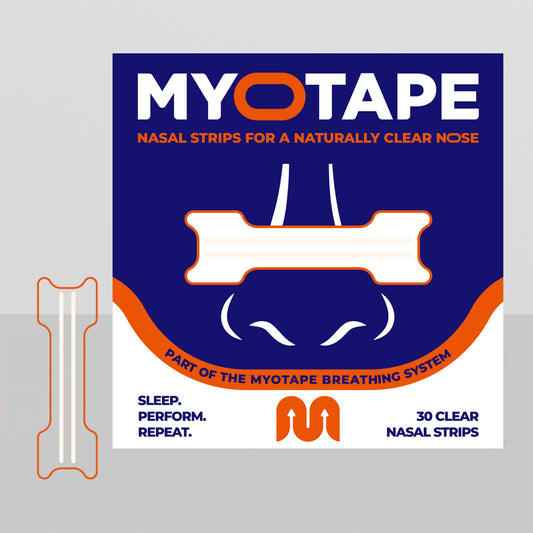
Nasal strips are flexible adhesive bands worn on the outside of the nose. Clinically, they are classified as external nasal dilators or nasal dilator strips, terms that describe exactly what they do: they dilate, or widen, the nasal passage from the outside using gentle mechanical tension.
When applied across the bridge of the nose, the strip's spring-like action pulls the nasal sidewalls outward.
This widens the nasal valve, the narrowest point of the nasal airway, reducing the resistance air must overcome with each breath.
Unlike nasal sprays or decongestants, nasal strips contain no active pharmaceutical ingredients. Nothing enters the bloodstream.
There is no dependency risk, no rebound congestion, and no interaction with other medications. They work entirely through physical action.
People commonly use them for:
-
Easier breathing during sleep
-
Relief from nasal congestion caused by colds or allergies
-
Reducing snoring linked to restricted nasal airflow
-
Supporting nasal breathing during running, cycling, and other exercise
- General daytime breathing comfort.
How Do Nasal Strips Work?
The nasal valve is the narrowest section of the nasal airway and the main source of breathing resistance.
When this area narrows further due to congestion, anatomy, or high airflow demand during exercise, the body has to work much harder to pull air through.
That extra effort creates negative pressure inside the airway, like sucking too hard through a narrow straw. This suction pulls the airway walls inward, narrowing the passage further and causing soft tissues to partially collapse.
A nasal strip counters this directly. The flexible, spring-like bands embedded in the strip resist bending once applied to the nose.
This resistance creates a gentle outward force on the nasal sidewalls, widening the nasal valve and increasing the space for air to move through.
The result is lower airflow resistance, less negative pressure, and a nasal passage that stays open more consistently through both sleep and physical activity. The effect is immediate and requires no medication.
This reduces airflow resistance, lowers negative pressure inside the airway, and prevents soft tissues from collapsing inward during sleep or exercise.
15 Benefits of Using Nasal Strips
Nasal breathing is far more complex than simply moving air from one place to another. The nose filters, warms, humidifies, and chemically processes every breath. When nasal breathing becomes easier and more consistent, the benefits extend well beyond basic comfort.
1. Reduced snoring
Snoring happens when air moves through a restricted passage with enough force to cause surrounding soft tissues to vibrate.
The narrower the passage, the more turbulent the airflow, and the louder the snoring.
By widening the nasal passage, nose strips calm turbulent airflow and reduce tissue vibration.
One study confirmed that nasal strips may reduce snoring frequency and intensity, particularly when snoring is driven by restricted nasal airflow.
It is important to note that nasal strips address nasal snoring specifically. They are not a treatment for obstructive sleep apnea.
If snoring is accompanied by gasping or breathing pauses, a sleep specialist should be consulted.
2. Better sleep quality
Restricted nasal breathing does not always cause a person to wake fully. More often, it triggers micro-arousals: brief interruptions that pull the brain out of deep sleep without the person being aware of it.
Over time, these micro-arousals reduce time in restorative sleep stages, leaving people unrefreshed despite hours in bed.
Nasal strips reduce the effort needed to breathe, removing the trigger for these awakenings and helping the body stay in deeper sleep longer.
3. Increased oxygen uptake
Breathing through the nose creates a natural resistance that slows each inhale slightly, giving the lungs more time to extract oxygen.
Thus, nasal strips make nose breathing easier and more sustainable through the night. Nasal strips help the body absorb more oxygen from each breath.
For people who mouth breathe during sleep, this shift can significantly impact energy levels and daily recovery.
4. Boosts Nitric Oxide production
The nasal cavity is the body's primary site for producing nitric oxide, a molecule that dilates blood vessels, improves oxygen distribution in the lungs, and acts as a natural antimicrobial agent.
It is produced almost exclusively through nasal breathing. When a person breathes through the mouth, this process is bypassed.
Keeping the nasal airway open with a strip ensures uninterrupted nitric oxide production throughout the night, supporting cardiovascular health and immune function.
5. Air filtration, warming, and humidification
Every breath that enters through the nose is filtered, warmed, and humidified before it reaches the lungs. Tiny hairs called cilia trap dust, pollen, and bacteria.
Capillaries warm incoming air to body temperature. Mucous membranes add moisture to protect delicate lung tissue from irritation.
None of this happens when air enters through the mouth. Thus, by supporting consistent nasal airflow, nasal strips preserve all of these protective functions.
6. Relief from nasal congestion and stuffiness
Nasal strips do not treat the underlying cause of congestion, such as a cold, allergies, or inflammation.
They mechanically widen the airway so the remaining space is used as effectively as possible.
For people with a stuffy nose at night, this can mean the difference between a broken night and a manageable one.
Using nasal strips for congestion is not a cure but a practical way to reduce discomfort while the issue resolves.
7. Reduced mouth breathing
When nasal resistance becomes too high, the body automatically defaults to mouth breathing, often during sleep when conscious control is absent.
Chronic mouth breathing is associated with poor sleep quality, dry mouth, dental problems, and reduced oxygen uptake.
Nasal strips for mouth breathing lower nasal resistance enough to make the nose the natural path again.
Strips address the mechanical barrier, not the habit. People wanting to retrain their breathing pattern need an additional tool alongside the strip.
8. Drug-free breathing support
Decongestant nasal sprays constrict blood vessels in the nasal lining to reduce swelling, but this effect is temporary.
With repeated use, the lining can become reliant on the spray, causing rebound congestion that is often worse than the original problem.
Drug-free nasal strips carry none of these risks. They have no active ingredients, rebound effect, dependency, or interaction with other medications.
They can be used nightly without long-term pharmacological consequences, making them suitable for pregnant women, people on multiple medications, and anyone avoiding pharmaceuticals.
9. Calmer nervous system and better recovery
Effortful breathing signals the brain that the body is under stress, activating the sympathetic nervous system and keeping the body alert.
By reducing breathing effort during sleep, nasal strips support this shift toward recovery.
The result is better sleep and more effective overnight repair, which benefits immune function, athletic recovery, and general health.
10. Support for athletes and runners
During high-intensity training, nasal resistance reduces airflow through the nasal passages, leading to a strong sense of air hunger.
For runners specifically, nasal strips can reduce the urge to open the mouth under exertion and help maintain a steady nasal breathing rhythm throughout a session.
They are completely drug-free and permitted in all competitive sports without restriction.
11. Dental and oral health protection
A dry oral environment allows harmful bacteria to thrive, raising the risk of bad breath, tooth decay, and gum inflammation over time.
12. Safe use during pregnancy
Pregnancy rhinitis is caused by hormonal changes and increased blood volume, leading to nasal swelling and persistent congestion.
Pregnant women are typically advised to avoid decongestant medications and breath-holding exercises.
Nasal strips during pregnancy offer a safe alternative: a purely physical intervention with no drugs, no chemicals, and no systemic effects.
They provide meaningful congestion relief without pharmacological risk. Always consult a midwife or doctor if congestion is severe or accompanied by other symptoms.
13. Suitable for children
Children who experience nasal congestion during sleep can struggle significantly with sleep quality, mood, concentration, and development.
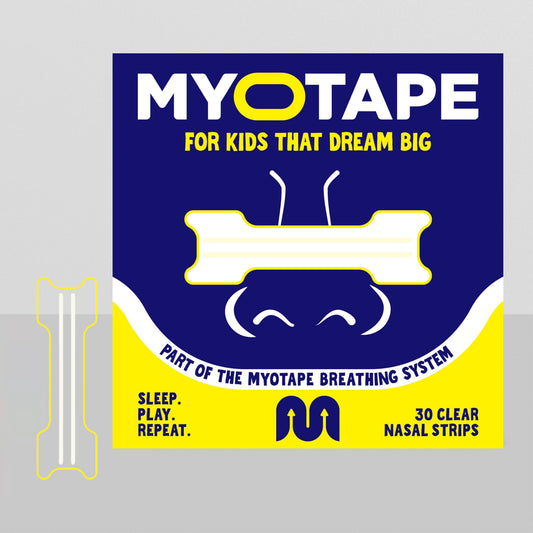
MyoTape produces nasal strips sized and formulated for children aged five and above, using the same hypoallergenic adhesive as adult versions.
Persistent nasal breathing problems in children should be assessed by a pediatrician or ENT specialist to rule out structural causes like enlarged adenoids.
14. Easy overnight wear with no learning curve
Nasal strips require no technique, adjustment period, or equipment. Application takes just a few seconds, making it a simple and convenient option for supporting nasal breathing during sleep.
Unlike many other interventions, they can be used immediately with little effort or preparation.
15. Compatible with other breathing aids
Nasal strips do not interfere with CPAP machines, mandibular advancement devices, or other sleep aids.
They reduce nasal resistance at the entry point, complementing rather than conflicting with other interventions.
Mouth taping encourages lip closure to ensure air travels through that open passage. Together, they create the optimal conditions for restorative nasal breathing through the night.
How to Use Nasal Strips
Applying a nasal strip takes seconds and requires no special technique. Clean and dry the skin on your nose before application, as this is the single most important step for ensuring the strip stays in place through the night.
-
Clean and dry the skin on and around the nose
-
Peel the backing from the strip
-
Place the strip across the bridge of the nose, just above the nostril flare
-
Press gently along the strip to secure it
- Remove carefully in the morning, dampening the strip first if needed.
If the strip feels loose during the night, oily skin or residue from skincare products is usually the cause.
Taking a moment to thoroughly dry the nose before application makes a significant difference to how well the strip holds through the night.
Are Nasal Strips Safe?
Nasal strips are drug-free, contain nothing that enters the body, and carry no risk of dependency or medication interaction. The only commonly reported side effects are mild and skin-related:
- Mild redness or irritation along the adhesive line
- Skin sensitivity with prolonged nightly use
- Minor discomfort on removal, particularly on dry or sensitive skin
MyoTape's hypoallergenic adhesive minimises this. Taking occasional nights off helps, and dampening the strip with water before removal reduces discomfort.
They are not suitable for severe structural obstructions or obstructive sleep apnea. If intense air hunger persists while wearing a strip, seek medical advice.
What Nasal Strips Cannot Do
Nasal strips open the nasal passages from the outside but cannot correct structural issues, treat sleep apnea, or stop the mouth from opening during sleep.
That last point matters most: when the mouth falls open, air bypasses the nose entirely and the benefits of nasal breathing are lost.
This is where MyoTape Mouth Tape becomes the logical next step. Developed by breathing expert Patrick McKeown, who has spent 25 years studying the clinical impact of nasal breathing and trained over 13,000 healthcare professionals across more than 50 countries.
MyoTape wraps around the lips with light elastic tension, gently encouraging them to stay together through the night without sealing the mouth shut.
Used alongside nasal strips, it completes the loop: the nasal passage stays open, the mouth stays closed, and the body breathes nasally by default from the moment you fall asleep.
Frequently Asked Questions
What are nasal strips used for?
Nasal strips widen the nasal passages and reduce airflow resistance. They are used for nasal congestion, snoring, disrupted sleep, and breathing discomfort during exercise. Because they are drug-free, they can be used daily without any risk of dependency, rebound, or medication interaction.
Do nasal strips work for snoring?
Yes, for snoring caused by nasal obstruction. Restricted airflow creates turbulence that causes tissues to vibrate and produce snoring sounds. Widening the passage calms that turbulence. They are less effective for nose snoring and are not a treatment for obstructive sleep apnea.
How do you put on nasal strips?
Clean and dry the nose, peel the strip, position it across the bridge just above the nostril flare, and press gently to secure. Dampen the strip with water before removal in the morning to reduce skin sensitivity.
Can you sleep with nasal strips on?
Yes. They are designed for overnight wear, stay in place through movement, and cannot obstruct the nasal passage if they come loose. Most people notice the greatest benefit from wearing them through the full night. They can improve nose breathing while sleeping.
Are nasal strips safe during pregnancy?
Yes. They are drug-free and work through physical action only, making them one of the safest options for pregnancy rhinitis. Always mention any new product to a midwife or doctor as a precaution.
What are the side effects of nasal strips?
The most common side effect is mild skin redness or irritation along the adhesive line, affecting fewer than 5% of users. Dampening before removal reduces discomfort. Intense air hunger despite wearing a strip may indicate a structural issue requiring medical review.
What is the difference between nasal strips and mouth tape?
Nasal strips widen the nasal passage to make nose breathing easier. Mouth tape holds the lips together to ensure air actually travels through the nose. They work on different sides of the same problem and are designed to be used together.
Are nasal strips safe for kids?
Yes. MyoTape produces kids nasal strips, sized and formulated for children aged 4 and above, with hypoallergenic adhesive. Persistent breathing difficulties in children should always be assessed by a paediatrician or ENT specialist.
Do nasal strips help with mouth breathing?
Yes, indirectly. By lowering nasal resistance, they reduce the tendency to open-mouth breathe. They address the mechanical barrier but not the habit. Combining nasal strips with mouth tape is the most complete approach for people who want to actively support nasal breathing through the night.
Can athletes use nasal strips during exercise?
Yes. They reduce airflow resistance, ease the sensation of air hunger, and support more efficient breathing during training and competition. They are drug-free and permitted in all competitive sports.
Get More from Every Breath with MyoTape® Nasal Strips
Why settle for breathing a little better when you can fully support nasal breathing day and night? MyoTape® Nasal Strips are designed to gently open the nasal passages, reduce airflow resistance, and help you breathe more comfortably whether you're sleeping, training, or simply going about your day.
If congestion, snoring, poor sleep, or mouth breathing are holding you back, MyoTape® Nasal Strips offer a simple, drug-free solution. Developed by world-renowned breathing expert Patrick McKeown, they help restore natural nasal breathing so you can wake up feeling more refreshed and perform at your best.
Together, they create the ideal environment for nasal breathing by opening the nose and encouraging comfortable lip closure throughout the night. Shop the MyoTape® range today and experience the difference that better breathing can make.