If you find it hard to fall asleep and worry about bedtime, you’re not the only one. Many people deal with sleep anxiety, where the pressure to sleep just adds more stress and makes it even harder to drift off.
Stress is a big part of this, but the way you breathe can also affect how relaxed or awake you feel before bed.
In this article, you’ll see how your breathing habits can influence sleep anxiety and how changing them might help you get better rest.
What Is Sleep Anxiety?

Sleep anxiety happens when someone starts to feel afraid or worried about sleep itself. If poor sleep becomes common, people may begin to expect restless nights, worry before bedtime, and feel tense instead of relaxed at night.
Over time, sleep can shift from being restful to something people fear and try to prepare themselves for.
This anxiety is often connected to a state called hyperarousal. In this state, the body's sympathetic nervous system, known for the 'fight, flight, or freeze' response, stays highly active.
When the brain senses stress, it keeps the body alert, making it hard to relax and making falling or staying asleep very difficult.
Common symptoms of anxiety before sleep include:
- A racing mind that won't switch off
- Tension in the jaw, neck, or shoulders
- A pounding heart or restlessness
- Heavy, shallow, and mouth breathing.
- Worrying about how tired you'll be the next day
- Tossing and turning for long stretches
So yes, anxiety can absolutely affect your sleep. And once the pattern sets in, it tends to repeat itself night after night.
Can Your Breathing Patterns Make Sleep Anxiety Worse?
Yes. The way you breathe can make sleep anxiety worse. Your breathing and nervous system work closely together, so poor breathing habits can keep your body in a state of stress when it should be relaxing.
Here are four ways breathing can contribute to sleep anxiety:
1. Keeps your body on high alert
Your brain always keeps track of how fast and how deeply you breathe. Fast, shallow, or upper chest breathing signals your brain that you're under threat. This activates your fight-or-flight response, making it harder to relax and fall asleep.
2. Fuels racing thoughts
Breathing too fast lowers carbon dioxide levels. This change affects the balance in your blood and can make your brain’s nerve cells too active. When this happens, your mind can get stuck on the same thoughts, making it hard to stop overthinking or calm your mind at night.
3. Creates a vicious cycle
Anxiety changes the way you breathe, and poor breathing keeps anxiety going. After a bad night's sleep, you're often more stressed the next day, making the cycle even harder to break.
4. Disrupts your sleep
Fast or labored breathing during the night can trigger brief awakenings. Fragmented sleep leaves you feeling tired, less refreshed, and often more anxious the following day.
In short, breathing as though you're stressed keeps your body feeling stressed. Learning to breathe slowly, lightly, and through your nose helps calm your nervous system, reduce hyperarousal, and prepare your body for deeper sleep.
How Better Breathing Can Help Reduce Sleep Anxiety
Changing how you breathe is one of the most effective ways to tell your brain that you are safe. The way you breathe can either keep your body in a state of stress or help it relax.
Slow, light breathing tells your brain that you are safe, helping calm the nervous system and reduce the hyperarousal that often keeps people awake.
While breathing isn't a cure for sleep anxiety, it can be a simple and natural way to support better sleep.
Here are three ways healthier breathing can help.
1. Breathe through your nose
Your nose is designed for breathing, especially during sleep. Nasal breathing naturally slows your breathing rate, improves breathing efficiency, and stimulates the vagus nerve, which helps lower your heart rate and promote relaxation.
Mouth breathing has the opposite effect. It often encourages faster, heavier breathing, contributes to a dry mouth, and may keep your body in a more alert state throughout the night.
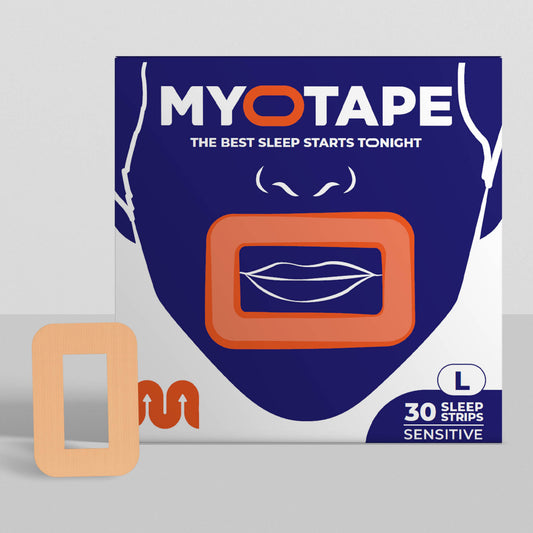
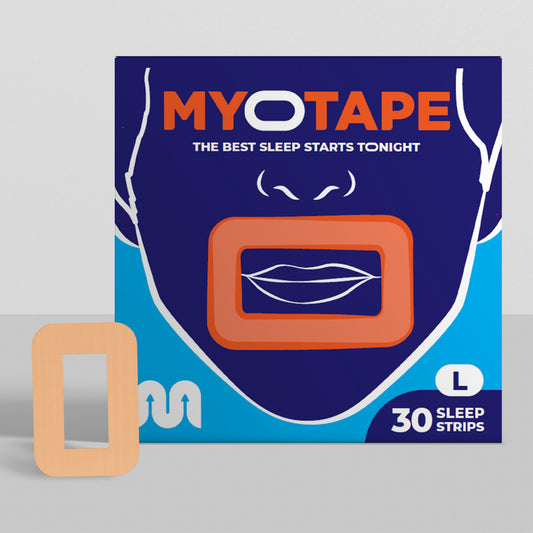
If you regularly wake with a dry mouth or sleep with your mouth open, MyoTape can help. It gently supports your lips in a comfortable closed position, encouraging healthy nasal breathing without covering your mouth.
2. Practice Buteyko Breathing exercises
The Buteyko Method focuses on breathing slowly, lightly, and quietly through the nose. These simple exercises help reduce overbreathing, calm the nervous system, and improve carbon dioxide tolerance, making it easier for your body and mind to relax before sleep.
Practicing Buteyko breathing for just 10 minutes before bed can help reduce racing thoughts and prepare your body for a more restful night.
3. Make calm breathing part of your bedtime routine
Healthy breathing works best when it becomes a habit. Before bed, spend a few minutes slowing your breathing, breathing through your nose, and creating a calm environment.
Small, consistent habits help reinforce your body's natural relaxation response and can make it easier to fall asleep over time.
Combined with good sleep habits, these breathing techniques offer a practical, drug-free way to help manage sleep anxiety and improve the quality of your sleep.
If you regularly struggle to sleep or have any anxiety about falling asleep, you should always have your symptoms checked by a doctor.
Sleep Better Every Night with MyoTape
Sleep anxiety can make it difficult to relax, but healthy breathing can help calm your body before and during sleep. Nasal breathing supports a more relaxed nervous system, while mouth breathing may contribute to restless, disrupted sleep.
Created by breathing expert Patrick McKeown, MyoTape gently encourages nasal breathing by supporting your lips in a comfortable closed position without covering your mouth. It helps promote steadier breathing and supports deeper, more restorative sleep.
Add MyoTape to your bedtime routine and take a simple step toward calmer nights and healthier breathing.
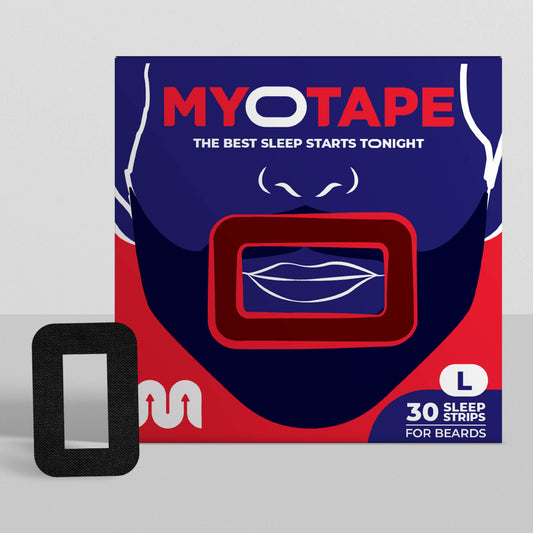
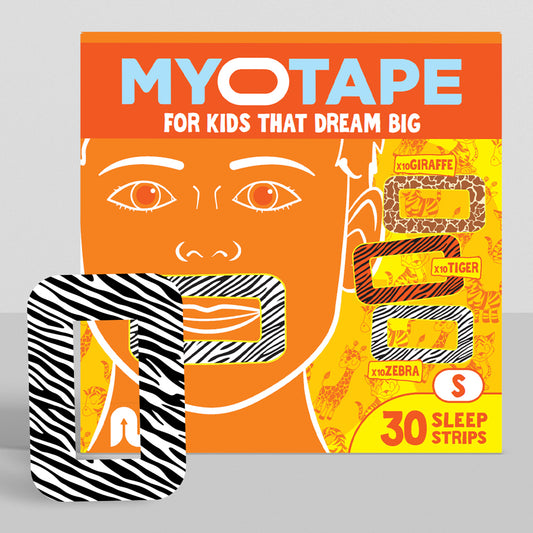
Visit the MyoTape online shop and select from a variety of options designed for everyone, including mouth tape for kids, mouth tape for adults, mouth tape for sensitive skin, and mouth tape for beards.