Snoring and bad breath may seem like two completely unrelated problems. One is something you hear, while the other is something you smell. How could the two possibly be connected?
The answer may lie in what happens inside your mouth while you snore. Snoring often occurs alongside mouth breathing, which can reduce saliva production and create a more favorable environment for odor-producing bacteria.
So, can snoring cause bad breath, or is something else responsible for both? This article explains the connection, why it happens, and what you can do about it.
Why Does Snoring Cause Bad Breath?
Snoring does not directly cause bad breath. The connection often comes from mouth breathing. Many people who snore sleep with their mouths open, allowing air to pass through their mouths for long periods.
This continuous airflow can dry the mouth and reduce saliva's protective effects. Saliva washes away food particles, controls bacteria, and keeps the mouth tissues moist.
When saliva levels fall, odor-producing bacteria multiply more easily, especially on the tongue, gums, and between the teeth.
These bacteria break down proteins and release unpleasant-smelling compounds. This explains bad breath when snoring or a noticeable foul smell during sleep. The smell may worsen with poor oral hygiene, dehydration, gum disease, smoking, alcohol, or nasal congestion.
So, can snoring give you bad breath? It can contribute indirectly when it is accompanied by mouth breathing and dryness. This is why bad breath at night and snoring often occur together.
A 2019 paper found that mouth breathers aged 10 to 15 had about 3 times the odds of self-reported bad breath compared with nasal breathers, suggesting a strong association between mouth breathing and halitosis.
However, snoring is not always a sign of poor breathing, and bad breath can have several other causes. Persistent symptoms may require a dental or medical assessment.
The Mouth-Breathing Connection

Mouth breathing can contribute to snoring by altering the position of the mouth, tongue, and throat during sleep. When the mouth opens, the jaw and tongue may move backward.
This narrows the upper airway and increases vibrations in surrounding tissues, producing the familiar snoring sound.
This relationship can work both ways. Nasal blockage may force mouth breathing, which can increase snoring. A narrowed or unstable airway may also cause the mouth to open as the body tries to draw in more air.
A 2011 study examined 55 children aged 3 to 14. Halitosis occurred significantly more often among mouth breathers than nasal breathers.
Why does mouth breathing cause bad breath? It reduces moisture in the mouth and weakens saliva’s natural cleaning action. Sleeping with your mouth open can cause bad breath even without snoring.
Common signs of overnight mouth breathing include:
- A dry or sticky mouth
- A coated tongue
- Cracked lips
- Throat dryness
- An unpleasant taste
- Strong-smelling breath
- Drooling on the pillow.
Loud, ongoing snoring can sometimes be linked to obstructive sleep apnea. This condition repeatedly narrows or blocks the airway during sleep.
Mouth breathing and dry mouth may accompany sleep apnea and contribute to bad breath, but bad breath alone does not confirm the condition.
Speak with a doctor if snoring occurs alongside breathing pauses, choking or gasping, morning headaches, poor concentration, or severe daytime tiredness. These are some of the more concerning dangers associated with snoring and sleep apnea, and should not be ignored.
How to Get Rid of Bad Breath from Snoring
Reducing snoring-related bad breath requires more than masking the smell with mints or mouthwash. The goal is to keep the mouth clean and moist while addressing mouth breathing that may contribute to both problems.
Start with these practical steps:
- Drink enough water: Good hydration supports saliva production and helps prevent excessive dryness.
- Brush and floss before bed: Remove trapped food and plaque that bacteria can break down overnight.
- Clean your tongue: Odor-producing bacteria often collect on the back of the tongue. Use a tongue scraper or a soft toothbrush.
- Keep your nose clear: Allergies, congestion, and a blocked nose can make nasal breathing more difficult. Use a nasal strip to open the nasal passages.
- Limit alcohol near bedtime: Alcohol can relax the tissues around the airway, increase snoring, and contribute to dehydration.
- Avoid smoking: Smoking dries and irritates the mouth while increasing the risk of gum disease and persistent bad breath.
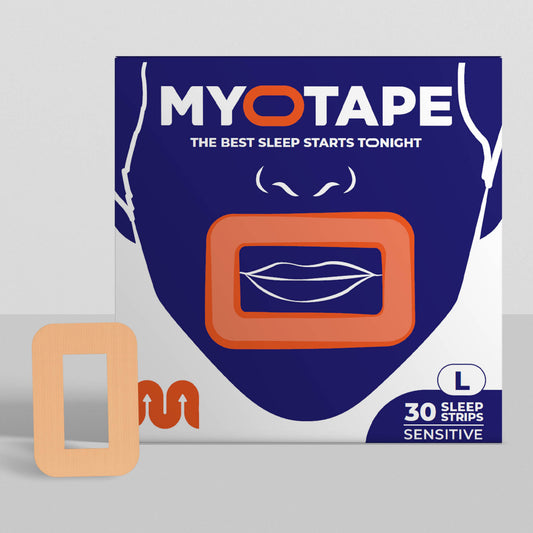
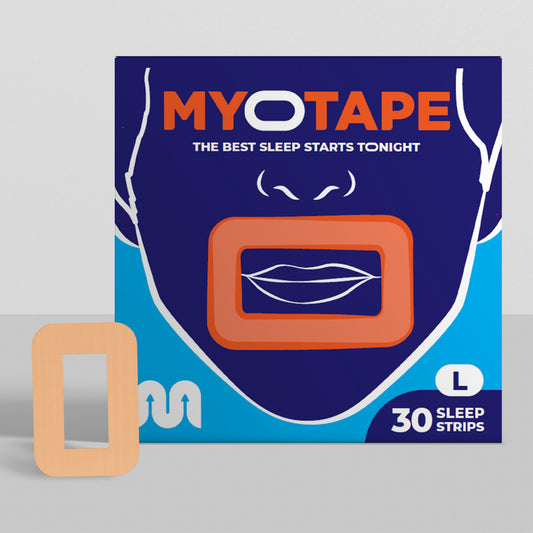
- Support nasal breathing: Practicing calm nasal breathing during the day can help reinforce healthier breathing habits. MyoTape can help you breathe through your nose and avoid mouth breathing.
Mouth taping offers a direct way to address mouth-opening during sleep. It gently encourages the lips to stay together, which may support nasal breathing and reduce dry mouth, helping prevent odor-causing bacteria from thriving.
Do not tape your mouth while sleeping if your nose is blocked or you cannot breathe comfortably through it. Always consult your doctor before proceeding.
Breathe Better and Support Fresher Breath with MyoTape
Snoring and bad breath often share one underlying cause: mouth breathing. Sleeping with an open mouth reduces saliva production, increases dryness, and allows odor-causing bacteria to build up.
MyoTape gently brings the lips together to support nasal breathing without sealing the mouth shut. Its unique design may help reduce mouth dryness, support fresher breath, and encourage better breathing throughout the night.
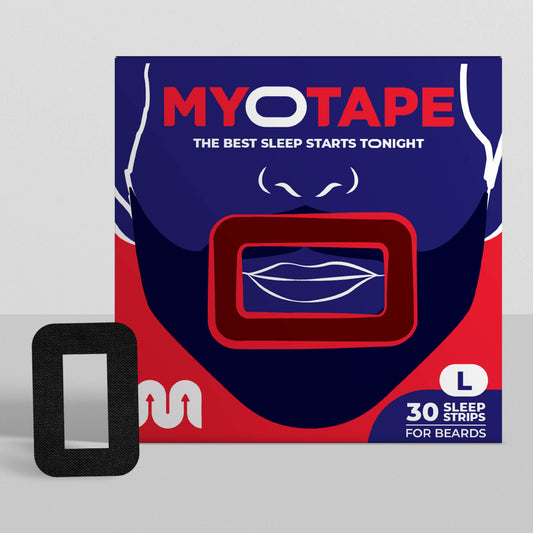
Head over to the MyoTape online shop, and choose from a variety of options designed for everyone, including mouth tape for kids, mouth tape for adults, mouth tape for sensitive skin, and mouth tape for beards.