You probably don't think much about how you breathe while you sleep. But if you've heard someone say you "puff" through your mouth at night, you may have experienced a breathing pattern known as mouth puffing.
Mouth puffing is a breathing pattern many people have never heard of, despite being common in certain situations.
Because it happens unconsciously, many people don't realize they do it. In this article, you'll learn what mouth puffing is, why it happens, and signs you may be a mouth puffer.
What Is Mouth Puffing?
Mouth puffing is an unconscious reflex where your body releases excess air through your lips when nasal breathing cannot comfortably manage airflow or pressure.
Researchers sometimes call this the mouth puffing phenomenon, and it often happens without you realizing it.
Unlike continuous mouth breathing or sleeping with your mouth open, mouth puffing usually involves brief bursts of air escaping through partially opened lips. It is your body's natural way to relieve pressure and maintain comfortable breathing.
This reflex can happen during intense exercise when breathing demand increases, but it is more commonly noticed during sleep.
What Causes Mouth Puffing?
A few overlapping factors tend to drive this reflex:
- Nasal congestion: Allergies, colds, or a deviated septum can restrict nasal airflow so the body defaults to the mouth.
- Sleep position: Lying flat on your back lets the jaw and tongue drift backward, narrowing the airway and increasing resistance.
- Obstructive sleep apnea (OSA): When the airway partially or fully collapses during sleep, puffing frequently occurs right before or after these events, as the body tries to recover and release trapped air.
- Body weight: Research links higher BMI to more severe OSA and a greater likelihood of mouth puffing overnight.
- Daytime mouth breathing habits: If you breathe through your mouth during the day, that pattern often continues at night, making the airway less stable.
7 Signs You May Be a Mouth Puffer

Mouth puffing is an unconscious reflex that often goes unnoticed until someone points it out or symptoms appear. Here are key indicators you might be a mouth puffer:
1. Waking up with a dry mouth
One of the clearest signs of mouth breathing is waking up with a dry mouth or sore throat. Air repeatedly escapes from the lips during the night, drying out the mouth and leaving you feeling dry when you wake up.
2. Short bursts of air during sleep
A partner may notice brief puffs of air escaping through your lips while you sleep. These short bursts are a common sign of mouth puffing while sleeping and help relieve pressure when nasal breathing alone isn't enough.
3. Struggling during exercise
Mouth puffing isn't limited to sleep. During intense exercise, your breathing demand increases, and your lips may automatically open to release excess air when your nose can no longer keep up. This is a normal reflex and a common example of mouth puffing while awake.
4. Snoring
Snoring often occurs alongside mouth puffing because both are linked to increased airway resistance. If your snoring is interrupted by short, forceful exhales, it may indicate that your body is instinctively releasing air through the mouth during sleep.
5. Expelling air around sleep apnea events
People with obstructive sleep apnea often experience mouth puffing immediately before or after an apnea or hypopnea event. This reflex helps release trapped air as the body resumes normal breathing. Some people using CPAP therapy may also notice this pattern.
6. Discomfort with traditional mouth tapes
If you've tried traditional flat mouth tape that seals the lips, you may wake up uncomfortable or remove it during the night. This happens when your body tries to release air through the mouth but the tape blocks it.
7. Visual evidence
Because mouth puffing happens unconsciously, it can be hard to recognize on your own. Recording yourself while you sleep or watching a mouth puffing video can help you spot short bursts of air or subtle mouth movements that would otherwise go unnoticed.
Mouth Puffing and CPAP: What Should You Know?
Using a CPAP machine is the gold standard for treating obstructive sleep apnea, but mouth puffing during CPAP can reduce its effectiveness. When pressurized air keeps the airway open, an open mouth lets that air leak out.
These air leaks reduce CPAP effectiveness, cause dry mouth, and disrupt sleep. Because mouth breathing during sleep is common among CPAP users, many are prescribed full-face masks instead of nasal masks.
While full-face masks help reduce air leaks, they often require higher pressure settings and may feel less comfortable for some users.
Supporting healthy nasal breathing with MyoTape helps CPAP therapy work as intended and naturally reduces the need to release air through the mouth during sleep.
Can Mouth Taping Help Reduce Mouth Puffing?
Mouth taping may help encourage nasal breathing during sleep, but it should only be used when your nose is clear, and you can breathe comfortably through it. If your nose is blocked, forcing your lips shut can make breathing more difficult.
Research suggests that mouth taping may help some people, particularly those with mild sleep apnea or snoring. However, studies have also found that completely sealing the lips with traditional flat tape may worsen breathing in people with severe obstructive sleep apnea by blocking the body's natural mouth puffing reflex.
A 2022 trial paired mouth tape with a mandibular advancement device and found AHI (apnea-hypopnea index) scores dropped from 10.5 to 5.6, much better than the device alone. Another study on mild OSA found taping alone cut snoring by half for 65% of people, with AHI falling from 8.3 to 4.7.
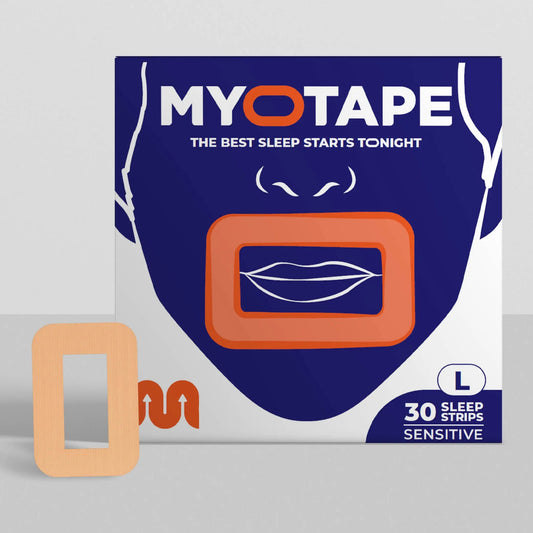
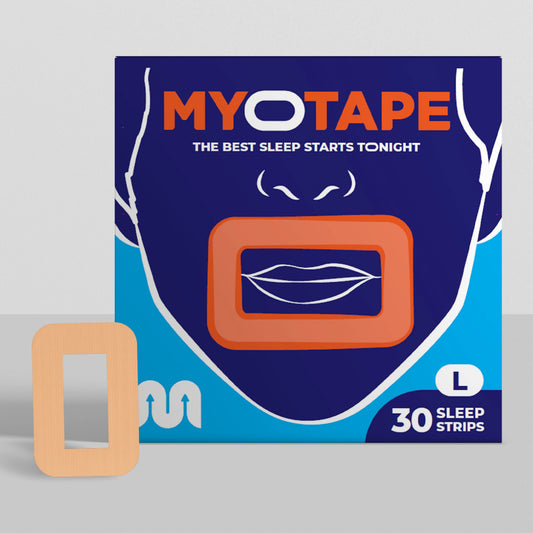
Unlike traditional flat mouth tape, MyoTape surrounds the mouth rather than covering the lips. Its gentle design encourages nasal breathing while allowing the mouth to open naturally if your body needs to release excess air during sleep.
Help Your Body Breathe Better at Night
Recognizing the signs of mouth puffing is the first step toward improving your sleep. Supporting healthy nasal breathing can reduce dry mouth, improve sleep quality, and help you wake feeling more refreshed.
Created by breathing expert Patrick McKeown, MyoTape offers a smarter alternative to traditional flat mouth tape. Instead of sealing the lips shut, its patented design gently surrounds the mouth, encouraging nose breathing while still allowing the body's natural mouth puffing reflex whenever it is needed.
That makes it a safer and more comfortable choice for people who snore, use CPAP, or experience mouth puffing during sleep. Millions of people around the world trust MyoTape to support healthier breathing and more restful sleep.
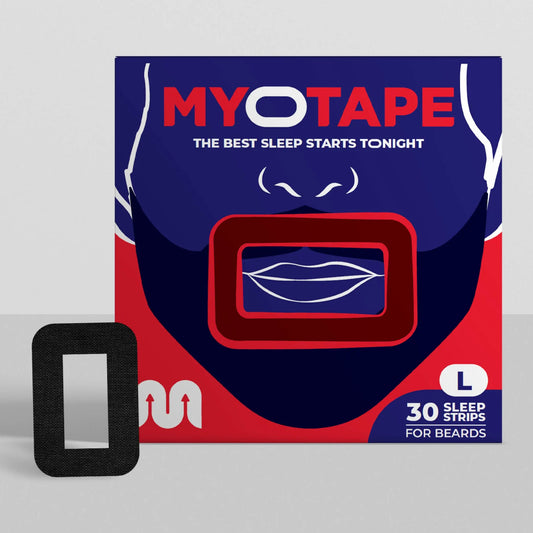
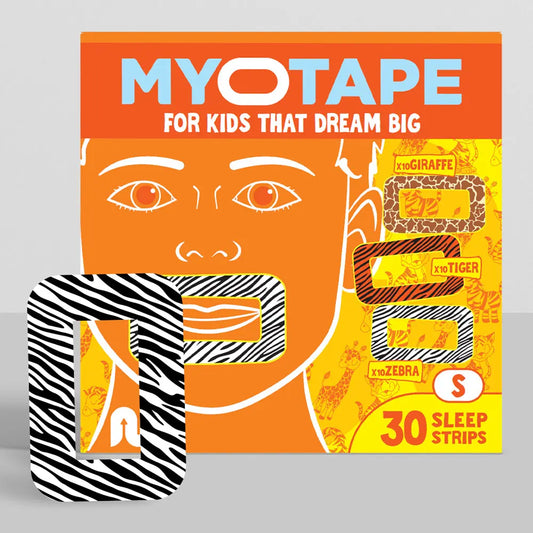
View our unique selection of mouth tapes in the online store and choose the perfect fit for you. We have mouth tapes for adults, for sensitive skin, for beards, and for kids.