How do you know if you're finally sleeping better? You may be getting enough hours in bed, but that doesn't always tell you how well you slept. Good quality sleep is about more than time.
The clues can show up while you sleep at night, when you wake up in the morning, and throughout your day. Here are 10 signs to help you tell if you get good sleep and whether your rest is improving.
1. Falling asleep happens easily
Bedtime used to mean lying awake, checking the time, and calculating how many hours you had left before morning. Now, you settle down and fall asleep with less effort.
If bedtime used to mean lying awake for hours, this is often one of the first changes you'll notice. A one-off night doesn't mean much. What counts is a new pattern.
2. Your breathing is quiet, slow, and through your nose
If you breathe calmly and steadily through your nose, your partner might notice you're quieter at night and your mouth stays closed.
Your nose is built for this job. It filters, warms, and moistens the air before it reaches your lungs. When your mouth drops open during sleep, you skip all of that.
If you suspect you breathe through your mouth at night, two simple tools can help:
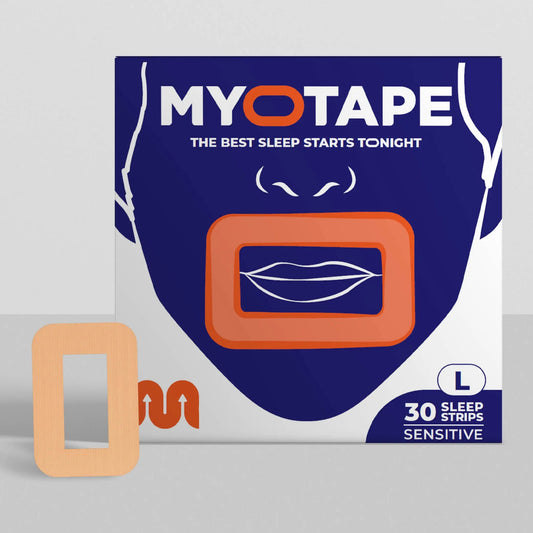
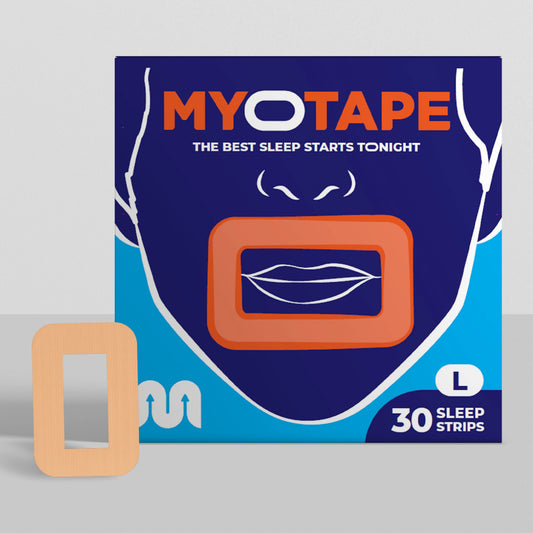
- MyoTape sits around your lips rather than sealing them, gently encouraging your mouth to stay closed so you breathe through your nose.
- Nasal strips gently open your nostrils from the outside, making it easier to breathe through your nose, especially if it feels a bit stuffy at night.
Don't use mouth tape if your nose is blocked.
3. Your snoring has quieted down
If your partner notices you're quieter while you sleep, it could mean your sleep is getting better, since snoring can be a sign of poor sleep.
Snoring often gets worse when your mouth opens, as air moves in faster and makes the soft tissues in your throat vibrate more. Sometimes, MyoTape can help make snoring quieter or less frequent.
But if you snore loudly, gasp, or seem to stop breathing while you sleep, it's important to see a healthcare professional. These can be signs of sleep apnea.
4. You spend less of the night tossing and turning
A messy bedsheet doesn't always mean you slept poorly. Everyone moves during sleep. What really matters is if you remember being awake a lot, tossing and turning, and trying to get comfortable.
If you now settle back to sleep more easily after changing positions, that may be part of a calmer night. Focus on how often restlessness keeps you awake, rather than how your bed looks in the morning.
5. You're getting up to use the bathroom less often
Getting up to use the bathroom can break up your sleep, especially if it takes time to fall back asleep. If this happens less often, you might be getting longer, more restful sleep.
Evening drinks, medications, and health conditions can also affect how often you need to go. If you're still waking frequently to use the bathroom, speak with your doctor.
6. You wake up without a dry mouth
A dry mouth in the morning can mean you slept with your mouth open. If you now wake with a more comfortable mouth and throat, it may be a sign that your nighttime breathing has changed.
Dry mouth can also have other causes, including medications and health conditions. If it persists, speak with a healthcare or dental professional.
7. You actually feel rested when you wake up

This is the most important sign. You wake up and feel ready to start your day, instead of feeling as tired as when you went to bed.
You don't need to jump out of bed with a big smile. But if you're using the snooze button less, your sleep is probably working for you. How you feel in the morning often tells you more about your sleep than just counting hours.
8. Your energy lasts through the afternoon
That 3 p.m. crash used to be part of your day. Now you get through the afternoon without another coffee. Having more steady energy is one of the best parts of better sleep.
Watch for this change over several days, not just one afternoon. If you still feel tired most days even with enough sleep, talk to your doctor.
9. Your sleep tracker shows positive trends
If you use a smartwatch or ring, your sleep data might start to match how you feel. Sometimes, sleep scores, sleep efficiency, and other numbers like time awake, resting heart rate, or deep sleep can get better as your nights improve.
Sleep trackers only estimate your sleep, so look for trends over a few weeks instead of focusing on single nights. The best sign is when both the numbers and how you feel match up.
10. Dreams interrupt your sleep less often
Vivid dreams usually happen during REM sleep, which is a normal stage that lasts longer as morning approaches. Just remembering more or fewer dreams doesn't mean your sleep is getting better or worse.
What matters more is if dreams wake you up and keep you awake. If that happens less often and you feel more rested in the morning, your sleep is probably less disrupted.
Make Better Sleep a Lasting Habit
Better sleep can mean easier mornings, more steady energy, and fewer interruptions at night. Pay attention to which changes are sticking around, and keep up the habits that help you feel good.
If you often sleep with your mouth open, MyoTape can gently help while you rest. It goes around your mouth instead of covering your lips, so you can still open your mouth if you need to.
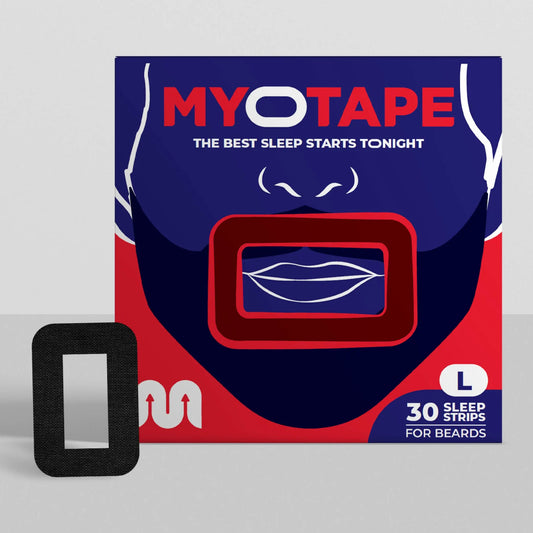
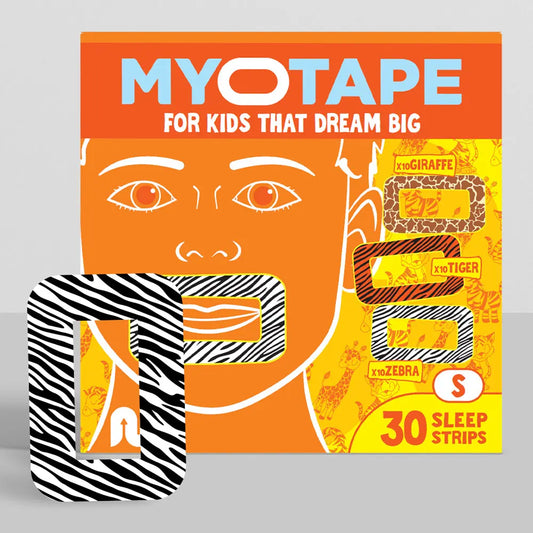
Check out our range, including MyoTape for adults, sensitive skin, and beards. We also offer a kids' option with age guidance. Find the option that fits your bedtime routine and give yourself one more way to support a comfortable night.
Only use MyoTape when you can breathe comfortably through your nose. If you have sleep apnea or use a CPAP machine, check with your doctor first.