Feeling tired day after day can quietly wear you down. It affects your focus, your mood, and how much you enjoy your time.
But have you wondered if the way you breathe could be part of the problem? Your nose does more than move air. It prepares each breath and supports how well your body uses oxygen. Breathing through your mouth, especially during sleep, can cause you to lose some of those benefits.
The good news is mouth breathing is a habit you can change. Many who switch to nose breathing at night say they wake up fresher and feel more alert during the day.
So, how does mouth breathing make you tired? Below, we explain five ways it may drain your energy, along with three simple steps you can start tonight.
5 Ways Mouth Breathing Can Make You Tired
Your nose and mouth both move air, but they don't do the same job. Here are five reasons mouth breathing may leave you feeling drained.
1. Less efficient Oxygen delivery
Mouth breathing often means taking bigger, faster breaths than your body needs. This is known as over-breathing.
Breathing too much causes your body to lose carbon dioxide (CO2). That matters because CO2 helps release oxygen from your blood into your brain and tissues.
So, do mouth breathers get less oxygen? Research suggests they may. In a 1996 study by Lundberg and colleagues, healthy people had blood oxygen levels around 10% higher when breathing through their nose than through their mouth.
2. You miss out on Nitric Oxide
Part of that difference is a gas called nitric oxide. Your nasal passages produce it, and it helps widen blood vessels, supporting blood flow and oxygen levels.
When you breathe through your nose, nitric oxide travels to your lungs with every breath. Mouth breathing largely bypasses this, which is one of the clearest differences between mouth and nose breathing during sleep.
3. Poorer sleep quality
Good sleep isn't only about how many hours you get. It's also about how deeply and steadily you sleep.
Mouth breathing during sleep leads the body to stay slightly on alert. Instead of settling into deep, restful sleep, you may drift in and out of lighter sleep without fully waking.
This is why mouth breathing can affect sleep quality even when you spend enough time in bed. You may wake up feeling as if you barely slept.
4. Snoring and disrupted breathing
When your mouth falls open, your jaw drops and your tongue can slide back toward your throat. This narrows your airway and makes snoring more likely.
Mouth breathing may also affect your throat lining. A 2006 study found that breathing through the mouth made the airway lining drier and raised its surface tension, changes that may make the airway more likely to collapse and worsen sleep-disordered breathing.
Mouth breathing on its own doesn't mean you have sleep apnea, but the two often appear together. If you or your partner notice loud snoring, gasping, choking, or pauses in your breathing, speak to a doctor or sleep specialist.
5. Waking up with these symptoms
Not sure if you breathe through your mouth at night? Your mornings can offer some clues:
- Dry mouth: Mouth breathing causes 42% more moisture loss than nasal breathing, which can leave your mouth and throat parched.
- Headaches: Many people who mouth-breathe during sleep report waking up with a dull headache.
- Tired eyes: Restless sleep often shows on your face, leaving your eyes looking puffy and tired.
- Snoring or a sore throat: Both are common signs of an open mouth at night.
How to Stop Mouth Breathing to Boost Your Energy
The good news is that nasal breathing is a habit you can rebuild. Here are three simple ways to stop mouth breathing:
1. Clear your nose
A blocked nose is one of the most common causes of mouth breathing at night, and it may affect more than your sleep. In a 2015 study of 100 people, those with chronic sinus congestion reported more fatigue and more everyday memory and focus problems, and they had slower reaction times.
The Buteyko Nose Unblocking Exercise is a simple way to help open your nose:
- Take a normal breath in and let it out through your nose.
- Pinch your nose with your fingers to hold your breath.
- While holding, gently nod your head up and down 5 to 15 times, depending on your comfort.
- Release your nose and breathe in gently through it.
- Rest for 30 to 60 seconds, then repeat six times.
McKeown notes that the more you use your nose, the better it works. Skip breath holds if you are pregnant or have a serious medical condition.
2. Practice nasal breathing during the day
Your nighttime breathing often reflects your daytime habits. Try keeping your mouth closed and breathing through your nose while you work, walk, and relax.
The Breathe Light exercise can help:
- Sit comfortably with one hand on your chest and one on your abdomen.
- Breathe in softly through your nose, taking only about 70 to 80% of your usual breath.
- Breathe out slowly and calmly.
- Aim for a tolerable feeling that you'd like a little more air.
- If it feels too strong, rest for 15 to 20 seconds, then continue.
3. Try MyoTape at night
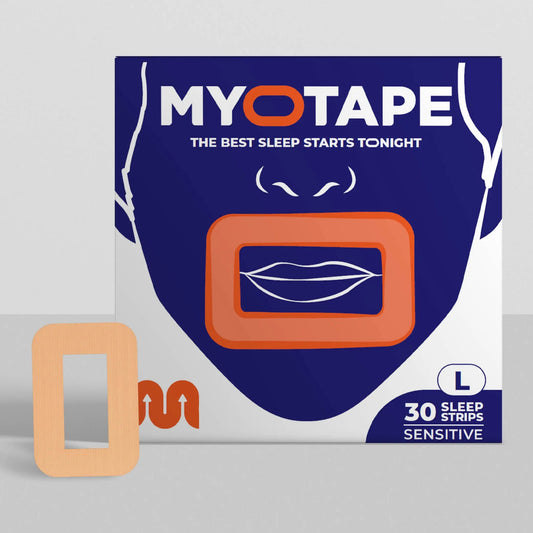
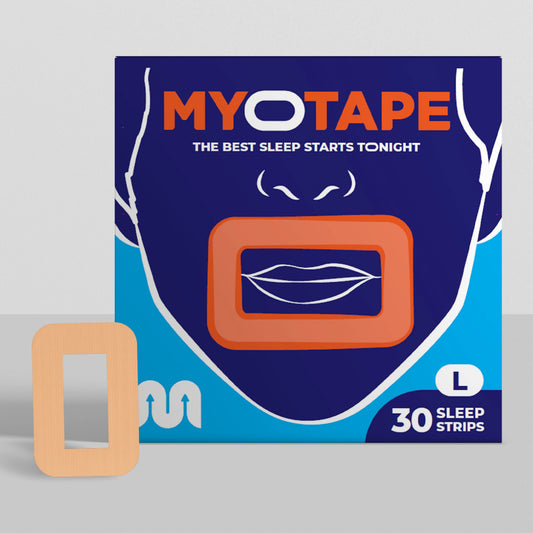
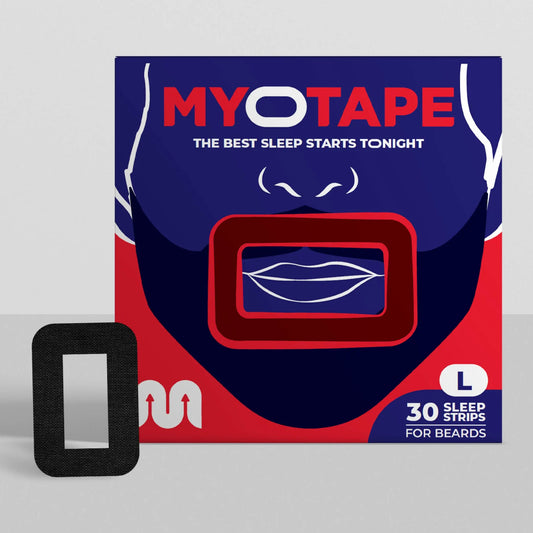
Even with a clear nose, your mouth can drift open once you fall asleep. MyoTape gently encourages your lips to stay closed. It surrounds your mouth rather than sealing it shut, so it feels comfortable and less restrictive.
There are options for adults, kids (above age four), sensitive skin, and beards. Many people who stop mouth breathing at night report waking up fresher, with less dry mouth and more energy for the day.
Don't use mouth tape if your nose is severely blocked. And always check with your doctor first.