Posture problems rarely start overnight. They often build slowly through everyday habits, such as how we sit, sleep, and even how we breathe.
If you tend to breathe through your mouth, especially at rest, it may be influencing more than just dry mouth or snoring.
Mouth breathing and posture are closely linked, and over time this pattern can contribute to neck tension, forward head posture, and discomfort.
In this article, we’ll explain how mouth breathing affects posture and what you can do to support healthier alignment.
What Is Mouth Breathing and Resting Open Mouth Posture?
We don’t usually think about our breathing, but it has a big impact on how our bodies grow, move, and feel each day.
Mouth breathing means regularly taking in air through the mouth instead of the nose, whether you’re asleep, resting, or going about your day.
For many kids and adults, mouth breathing isn’t a choice. It often becomes a habit because breathing through the nose feels hard or uncomfortable.
When mouth breathing becomes a habit, the lips often stay slightly open, even when you’re relaxed.
Having your mouth open at rest might seem harmless, but it changes how your jaw, tongue, and facial muscles work together.
Instead of resting against the roof of the mouth, the tongue drops lower and the jaw hangs down. This changes the natural balance of the face and neck, and over time, it becomes the body’s usual posture.
Parents might see their child sitting, standing, or watching TV with their mouth open, or waking up with dry lips and a dry mouth.
These small signs can point to a bigger pattern that affects breathing, head position, neck tension, and how the whole body is aligned.
Nasal breathing, by contrast, supports a closed‑mouth resting position where the tongue, jaw, and facial muscles work together efficiently. This balance supports healthy growth and natural posture.
When mouth breathing takes the place of nasal breathing, the body adapts in ways that can slowly affect posture from head to toe.

How Does Mouth Breathing Affect Posture?
To understand how breathing influences posture, it helps to look at how the body is designed to breathe.
The main breathing muscle is the diaphragm, a dome‑shaped muscle that sits beneath the lungs and plays a major role in stabilizing the spine.
Effective diaphragmatic breathing provides essential support for spinal stability, which is why posture is so closely connected to healthy, functional breathing patterns.
When breathing is calm and through the nose, the diaphragm moves smoothly downward, creating gentle pressure in the abdomen that supports the spine and pelvis.
Mouth breathing often shifts breathing into the upper chest rather than deep into the lungs. This reduces how well the diaphragm can move and do its stabilizing job.
Without that internal support, the body looks for other ways to keep breathing comfortably.
One way the body adapts is by lifting the head and tightening the neck and chest muscles to pull in air more easily. This may help for a while, but it can hurt posture.
According to a 2017 systematic review, researchers found recurring associations between mouth breathing in children aged 5 to 14 and postural changes, particularly involving the head and neck.
Over time, the spine loses its natural alignment, and the body becomes less stable and more tense. This is why breathing patterns and posture are so closely linked.
When breathing is inefficient, movement becomes inefficient too. Children and adults who breathe poorly often show less ease in sitting, standing, and moving, even if they are otherwise healthy.
The body is always adapting to survive and function. When breathing is compromised, posture changes to support airflow, even if that posture isn’t ideal for long‑term comfort or development.
Signs That Mouth Breathing May Be Affecting Your Posture
Mouth breathing doesn’t just affect how you breathe. It can also change how you hold your head, neck, and shoulders during the day. Since the body tries to keep the airway open, posture can shift in small ways that are easy to miss, especially in kids.
According to a 2010 study, mouth‑breathing children showed greater forward head posture and reduced lung volumes compared to nasal breathers, with postural changes increasing with age and correlating with decreased breathing capacity.
Some common posture signs linked to mouth breathing are:
- A head position that sits forward instead of being aligned over the shoulders
- Frequent neck or shoulder tension, even without obvious injury
- Tightness at the base of the skull or upper neck
- Rounded shoulders or a slouched upper body
- Difficulty sitting or standing upright for long periods
- Complaints of stiffness, headaches, or jaw discomfort
- Fatigue or restlessness during seated activities
These signs usually develop slowly, and things like lots of screen time, sitting at school desks, or carrying heavy backpacks can also play a part.
But breathing habits, especially mouth breathing, are often missed as a reason for changes in posture and comfort over time.
Parents may notice changes in posture long before they connect them to breathing.
Also, because these adaptations happen gradually, they can easily be overlooked until discomfort or visible posture changes appear.
5 Practical Tips to Improve Breathing and Posture Together
You can start improving your posture by learning to breathe better through your nose. Here are some tips to help:
1. Encourage nasal breathing throughout the day
Breathing through your nose helps the diaphragm move well, which supports the spine and reduces tension in the neck and shoulders.
If you are a parent, gently encouraging your child to rest with lips closed during calm activities such as reading, drawing, or watching television can gradually reinforce healthier breathing habits.
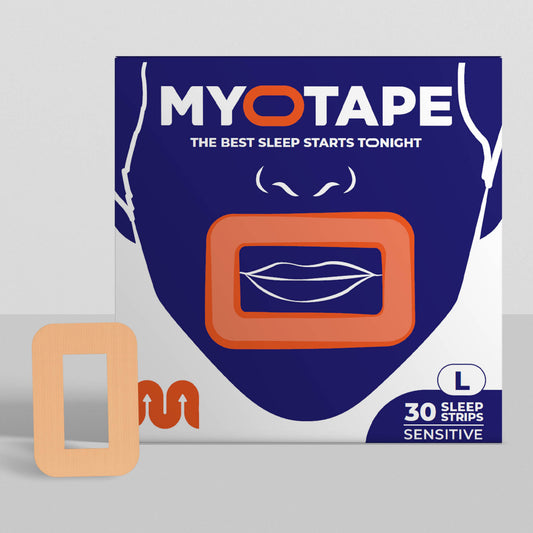
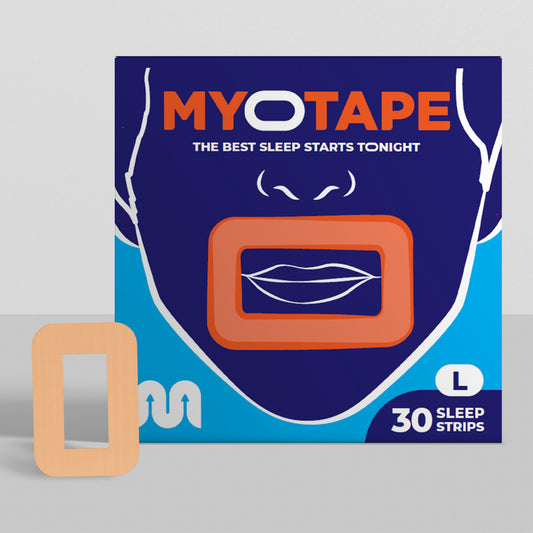
MyoTape is a gentle adhesive strip you wear around your lips. It helps keep the lips closed without sealing the mouth, making it easy to encourage nasal breathing during the day.2. Support relaxed, natural posture
Good posture develops best when the body feels supported, not stiff or over‑controlled.
When the head is comfortably balanced over the shoulders and the chest remains open, breathing naturally becomes deeper and more efficient.
3. Pay attention to tongue and lip position at rest
At rest, the lips should be gently closed, and the tongue should rest against the roof of the mouth.
This natural resting position helps maintain airway stability, supports jaw and neck alignment, and reduces the tendency to mouth breathe during the day.
4. Learn breathing exercises that train nasal breathing
Practicing breathing exercises are a great way to retrain your breathing patterns and fix your posture.
The Buteyko Method is a breathing technique that focuses on retraining breathing patterns to restore calm, nasal, and diaphragmatic breathing.
These simple exercises help reduce over‑breathing, improve airway function, and reinforce breathing habits that directly support posture and comfortable movement.
5. Use MyoTape at night to reinforce healthy breathing habits during sleep

Nighttime mouth breathing can also contribute to airway and posture issues.
MyoTape is specifically designed to encourage lip closure without covering the mouth or restricting airflow, making it a reliable and well‑established tool for promoting nasal breathing during sleep.
If you use MyoTape regularly, it helps you keep breathing through your nose at night. This supports better airway function, steadier posture, and long-term breathing health.
Support Healthy Breathing and Posture with MyoTape
Breathing and posture are connected. If you often breathe through your mouth, it can slowly affect your sleep, comfort, focus, and body alignment.
Supporting nasal breathing, especially during rest and sleep, allows the body to return to a more stable and balanced state. MyoTape offers a proven way to retrain these breathing habits.
Designed by breathing expert Patrick McKeown, MyoTape gently supports lip closure without sealing the mouth or restricting airflow, encouraging natural nasal breathing.
Unlike regular mouth tape, MyoTape lets your mouth open if needed. It’s safe, comfortable, and works for both kids and adults.
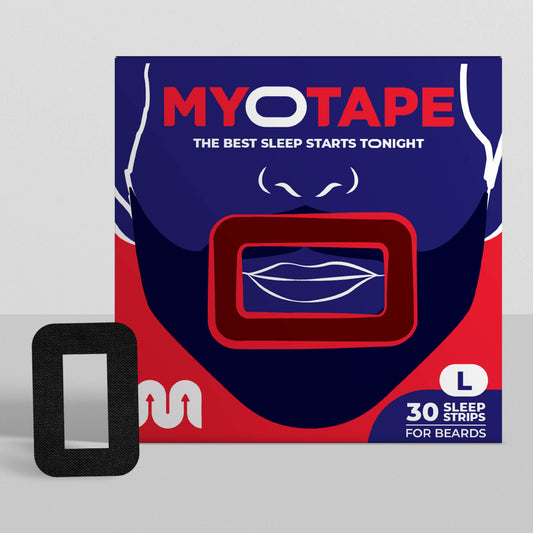
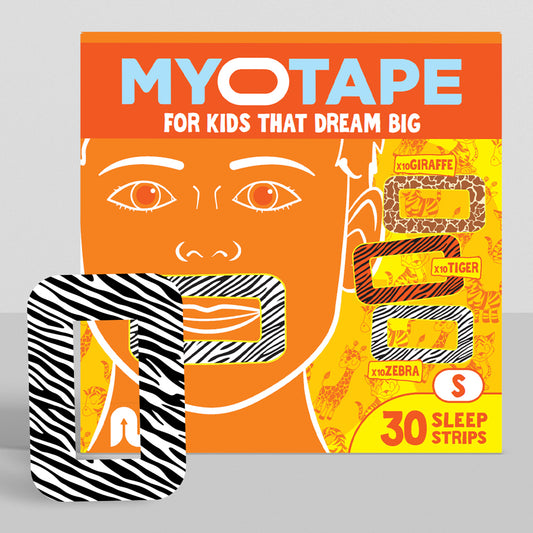
You can check out our range of effective mouth taping products designed for everyone, including mouth tape for kids, adults, those with sensitive skin, and even those with facial hair. Visit our online shop today!