For many people, bedtime lacks structure. You finish dinner, scroll for a while, maybe watch a show, then head to bed, hoping sleep comes easily.
However, good sleep doesn’t just happen when you lie down. It depends on what you do in the hours before bed and even during the day.
Without a clear routine, your chances of poor sleep increase. That’s where sleep hygiene helps. It involves building small, steady habits that prepare your body to fall asleep more easily and stay asleep longer.
Since it’s World Sleep Day, it’s a great time to learn how to build and keep healthy sleep habits that improve your well-being.
What Is Sleep Hygiene?
Sleep hygiene is about the daily habits and environment that affect your sleep. This covers your bedtime routine, sleep schedule, light exposure, evening activities, and even how you breathe before and after falling asleep.
Good sleep hygiene means keeping steady routines and having a bedroom that helps you relax. When your body knows it’s time to wind down and your space feels calm and cozy, falling asleep becomes easier.
What do good sleep hygiene habits look like? They include maintaining steady bed and wake times, getting morning sunlight, limiting caffeine and alcohol, avoiding heavy late meals, and reducing screen time before bed. Calm nasal breathing is also part of healthy sleep habits, as it affects the nervous system.
The key to sleep hygiene is consistency, not complexity. Doing the same things regularly tells your brain it’s time to rest.
Sleep Hygiene vs. Sleep Quality: What’s the Difference?
People often confuse sleep hygiene with sleep quality, but they’re not the same. Sleep hygiene means your habits, routines, and sleep environment. Sleep quality is about how deeply and restfully you sleep, whether you stay asleep, reach deep sleep stages, and wake up feeling refreshed.
Good sleep habits can improve sleep quality, but they don’t guarantee perfect sleep every night. Think of sleep hygiene as the foundation and sleep quality as the result.
What Leads to Poor Sleep Hygiene?
Poor sleep hygiene usually comes from inconsistent routines and too much stimulation, especially in the evening.
Common causes include:
- Irregular sleep schedule: Going to bed and waking up at different times throws off your internal clock and weakens your natural sleep rhythm.
- Too much screen time at night: Blue light from phones and TVs lowers melatonin, the hormone that makes you feel sleepy.
- Excess caffeine or alcohol: Caffeine makes it harder to feel sleepy, and while alcohol might make you drowsy at first, it can break up your sleep later on.
- Stress before bed: Checking news, emails, or scrolling late at night can raise cortisol and keep your brain awake.
- Mouth breathing during sleep: Breathing faster and more shallowly can cause you to wake up briefly and stop you from reaching deep sleep.
- Eating large meals or drinking alcohol late at night: Late meals keep your body focused on digestion, while alcohol disrupts deep sleep and increases nighttime awakenings.
- A bright, noisy, or stuffy bedroom: Warm rooms and poor airflow can make you breathe faster and disrupt your sleep cycles.
Usually, it’s not one big problem but several small habits that add up.
What Happens When Sleep Hygiene Is Poor?
Without healthy sleep habits, your sleep can become lighter and more interrupted. You might spend enough time in bed but still wake up feeling tired.
Over time, this can lead to:
- Daytime fatigue
- Brain fog and reduced focus
- Mood changes or irritability
- Poor cardiovascular health
- Hormonal imbalance and increased stress
- More snoring or disrupted breathing at night
- Lower immune resilience
These effects show that poor sleep hygiene doesn’t just affect your nights; it also impacts how you feel and function during the day.
What Do Good Sleep Hygiene Habits Look Like?
Healthy sleep habits are simple, practical, and easy to maintain. The best routines focus on consistency, a good environment, and calming your nervous system. Here are some of the most important ones:
1. Support nasal breathing at night
Breathing through your nose helps slow and steady your breathing, which can reduce nighttime awakenings and support deeper sleep.
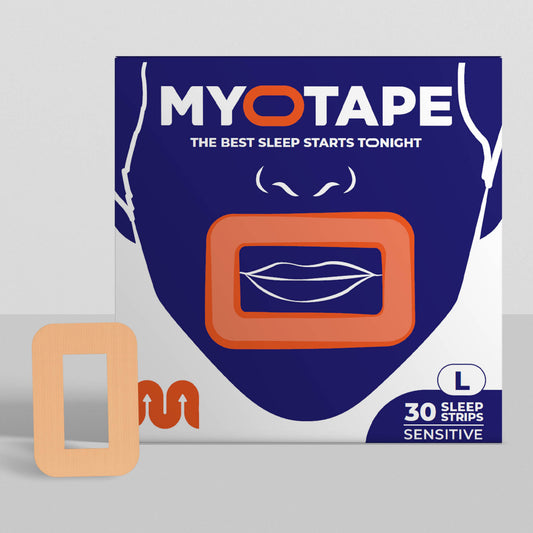
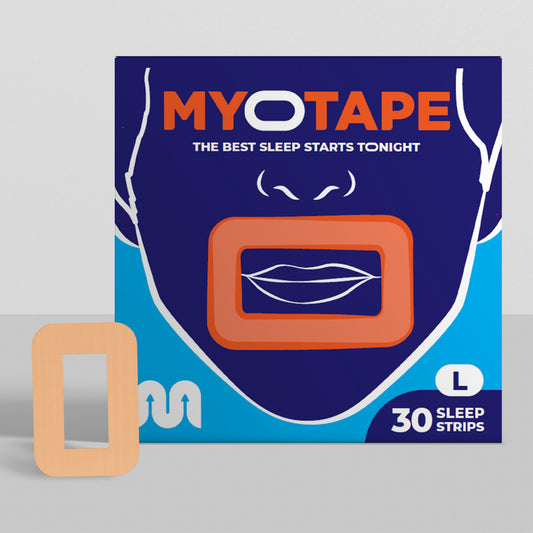
If you tend to breathe through your mouth, a simple tool like MyoTape can gently encourage nasal breathing, helping you maintain calmer, more stable breathing throughout the night.
2. Keep a consistent sleep schedule
Going to bed and waking up at the same time each day, even on weekends, strengthens your circadian rhythm and improves sleep regularity.
3. Make your bedroom cool, dark, and quiet
A calm environment supports melatonin production and steadier breathing, both of which promote deeper sleep.
4. Create a screen-free wind-down routine
Dimming lights and cutting back on devices in the hours before bed helps your brain get ready to rest.
5. Limit caffeine later in the day
Avoiding caffeine at least 8 hours before bed helps protect your natural sleep drive.
6. Practice relaxation before bed
Slow belly breathing, meditation, or gentle stretching helps activate your body’s “rest and digest” mode.
Breathing techniques such as the Buteyko Method, which focus on gentle, controlled nasal breathing, can calm the nervous system and reduce over-breathing, making it easier to fall asleep and stay asleep.
7. Be mindful of big meals and alcohol in the evening
Try to avoid heavy meals close to bedtime, as digestion can interfere with your body’s ability to fully relax.
Limiting alcohol, especially late at night, can also improve sleep depth and reduce nighttime awakenings.

Steps to Create and Maintain Good Sleep Hygiene
The key to creating a sleep hygiene that actually works is simple: small, consistent actions that regulate your circadian rhythm and calm your nervous system.
These practical steps for good sleep hygiene are science-backed and easy to build into your routine.
Step 1: Support proper breathing
Before adjusting anything else, focus on your breathing. Light, slow, deep nasal breathing reduces fight or flight activity and helps you sleep more deeply. Mouth breathing can increase snoring, airway resistance, and cause you to wake up at night.
To take care of your sleep hygiene from the inside out:
- Practice gentle nasal breathing during the day.
- Try slow, controlled breathing exercises before bed.
- If needed, use MyoTape at night to encourage nasal breathing and reduce mouth breathing.
Improving your breathing is one of the best ways to sleep better because it helps calm your nervous system.
Step 2: Set a fixed sleep schedule
Sleep consistency is one of the most important parts of good sleep hygiene. Go to bed and wake up at the same time every day, even on weekends. This helps strengthen your body clock and makes your sleep more regular.
To build the habit:
- Choose a realistic bedtime you can stick to.
- Set a fixed wake-up time first (this anchors your rhythm).
- Avoid sleeping in late, even after a poor night.
Keeping a regular schedule trains your body to feel sleepy at the right time on its own.
Step 3: Build a simple wind-down routine
If you’re building a sleep hygiene routine, begin with the 60 to 90 minutes before bedtime.
Your brain needs signals that it’s time to wind down. Keep it simple:
- Dim the lights.
- Avoid blue light from phones and TVs.
- Read a physical book or stretch lightly.
- Practice slow breathing or meditation.
Avoid news, work emails, or anything stressful. High stress hormones at night can mess up your sleep cycle.
Having a regular wind-down routine is one of the easiest ways to improve your sleep over time.
Step 4: Optimize your sleep environment
Your bedroom should help you sleep, not make it harder. For good sleep hygiene:
- Keep the room cool (ideally 60–67°F).
- Make it dark (use blackout curtains or an eye mask).
- Reduce noise (earplugs or white noise if needed).
- Keep the air fresh and well-ventilated.
Even small changes, like better airflow, can help calm your breathing and improve your sleep.
Step 5: Strengthen your circadian rhythm during the day
Good sleep hygiene doesn’t begin at night. It starts in the morning. To support your sleep-wake cycle:
- Get 5–10 minutes of natural light soon after waking.
- Move your body daily (aim for 30 minutes of moderate activity).
- Limit caffeine to the morning and avoid it at least 8 hours before bed.
- Avoid long or late naps, as they can reduce sleep drive.
Morning light helps control melatonin and keeps your internal clock strong. Many people overlook this simple way to improve sleep.
Step 6: Stay consistent (even on weekends)
Knowing how to maintain good sleep hygiene is just as important as knowing how to create it. The biggest mistake is sticking to a schedule during the week but changing it on weekends.
To keep good sleep hygiene:
- Stick close to your usual bedtime and wake time.
- Keep your wind-down routine simple and repeatable.
- If you have a bad night, avoid drastic changes the next day.
Sleep works best with a steady rhythm. The more regular your routine, the better your sleep will be.
Use MyoTape to Improve Your Sleep Hygiene
Good sleep hygiene means keeping a regular sleep schedule, winding down, and sleeping in a cool, dark room. How you breathe at night is just as important. Mouth breathing can disrupt your sleep and leave you feeling tired when you wake up.
MyoTape gently helps you breathe through your nose while you sleep. It doesn’t force your mouth shut but supports your lips to stay closed naturally and comfortably.
If you’re working on better sleep habits, MyoTape is an easy step that can help you sleep more deeply and wake up refreshed.
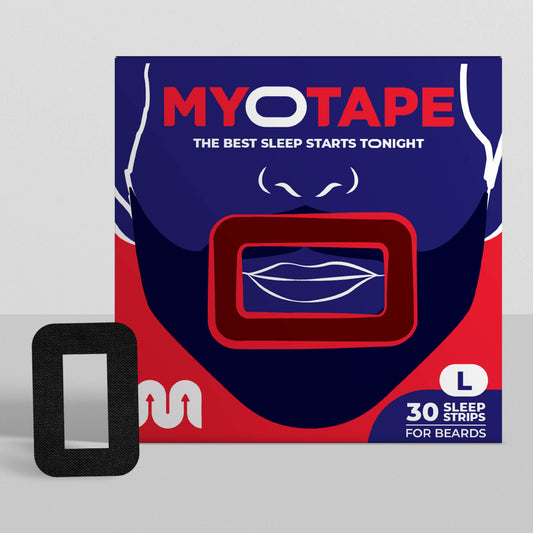
Order from the MyoTape online shop and select from a variety of options designed for everyone, including mouth tape for kids, mouth tape for adults, mouth tape for sensitive skin, mouth tape for beards, and start sleeping better tonight.