Communication is such a big part of our lives, so it’s stressful when you feel like your voice and speech quality are poor. One of the overlooked reasons for that is how our breath shapes our words.
Mouth breathing can affect how your speech and voice sound, often making them seem muffled or stuffy.
In this post, we’ll look at how mouth breathing impacts voice and speech quality, as well as share tips to help you speak more clearly.
The Role of Breathing in Voice and Speech
Breathing is the foundation of your voice. Air from your lungs passes through your vocal cords to create sound. When airflow is steady and well-prepared, your speech sounds clear and smooth. But if the air is dry or uneven, your voice can feel strained.
Breathing through the nose helps prepare that air. The nose warms, filters, and humidifies it before it reaches the throat. The sinuses also produce nitric oxide, a molecule discovered in the 1990s to play an important role in airway health.
Nitric oxide is found in much higher levels when we breathe through the nose compared to the mouth. The sinuses also help add natural resonance to the voice.
When you breathe through your mouth, this preparation is skipped. Dry, unfiltered air goes straight to your throat, which can irritate the tissues around your vocal cords over time.
That’s why many people ask if mouth breathing affects voice or speech. Since airflow directly impacts how your vocal cords work, how you breathe really matters.
How Mouth Breathing Changes Speech and Voice Quality
Your vocal cords need moisture to vibrate properly. Mouth breathing dries them out, which changes how they vibrate and can affect how your voice sounds.
A 2011 study of children aged 4 to 12 with chronic nasal blockage, which leads to mouth breathing, found that 76.6 percent had dysphonia, meaning voice difficulties. More than 68 percent showed signs of vocal strain.
Furthermore, mouth breathing can change the way air moves through the vocal tract. Speech depends on controlled air pressure from the lungs, steady release through the vocal cords, and proper shaping of sound in the throat, mouth, and nose.
When breathing happens through the mouth, airflow is often less stable and less efficient.
This can lead to noticeable differences in how speech sounds, such as:
- Running out of air mid‑sentence
- Needing frequent breaths while talking
- Inconsistent volume
- Difficulty sustaining longer phrases
- Speech that sounds effortful rather than smooth.
Breathing through your mouth can also cause visible changes.

Effects of Mouth Breathing on Speech and Voice Quality
Breathing through the mouth can also affect how the tongue and jaw rest. These muscles play a big role in clear speech.
A 2013 study found a link between oral breathing and speech development challenges. Researchers highlighted the importance of early recognition.
In addition, a 2014 study on children with enlarged adenoids (one of the causes of mouth breathing) also found that airway blockage was associated with specific articulation errors, especially with sounds like “s.”
Common signs linked to long-term mouth breathing include:
- A breathy-sounding voice
- Mild hoarseness
- A stuffy or nasal tone
- Lisping or unclear pronunciation of certain sounds
- Tiredness when speaking for long periods
These changes usually develop slowly and often get better once nasal breathing is restored. The goal is to raise awareness and offer early support, not to cause alarm.
How to Fix Your Breathing to Improve Your Voice and Speech Quality
1. Encourage nasal breathing during the day
Gently remind children to keep their lips closed at rest. Nasal breathing helps keep the throat moist and supports natural resonance.
2. Support nasal breathing during sleep
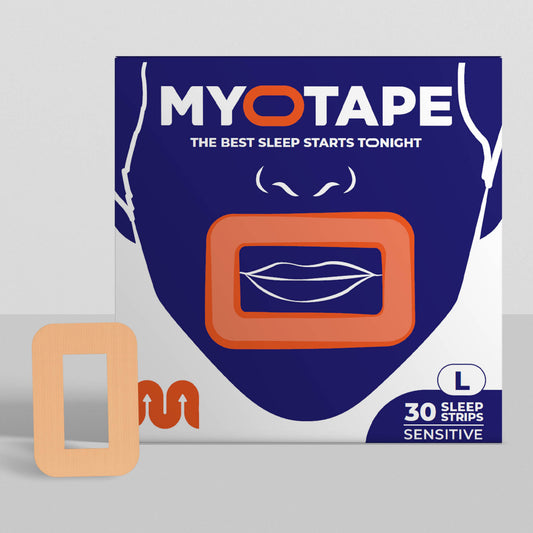
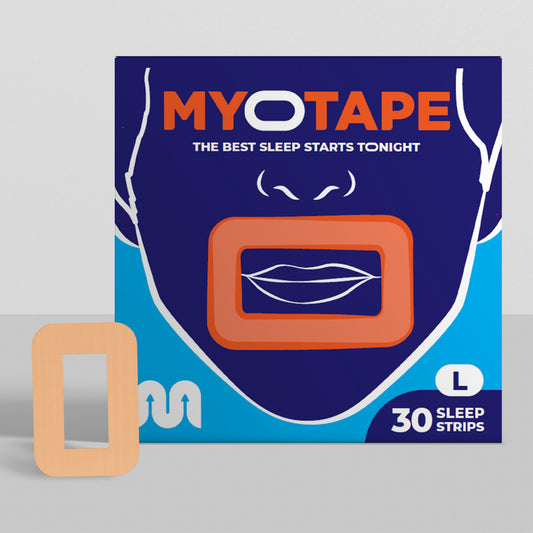
Many children breathe through their mouths at night without knowing it, which can dry out their throat for hours. MyoTape gently supports keeping the mouth closed during sleep by activating the muscles around the lips.
It does not seal the lips shut. Instead, it encourages natural nasal breathing, helping the airway stay moist overnight.
3. Address ongoing nasal blockage
If allergies, congestion, or enlarged adenoids are an issue, talk to a healthcare professional. Getting help early can prevent ongoing speech or voice problems.
4. Protect vocal health
Encourage staying hydrated, avoid too much shouting, and rest your voice when needed. Good airflow plus healthy vocal habits help keep your speech clear.
For parents, the message is clear: how children breathe affects how they sound. Small,
consistent changes can make a big difference. Encouraging nasal breathing, especially during sleep, is a simple way to support healthy voice, enhance nasal resonance, and speech development.
Improve Your Voice and Speech with MyoTape
Healthy speech begins with nasal breathing. Breathing through your nose protects your vocal cords and supports the muscles needed for clear speech. Mouth breathing during sleep can dry out your throat and strain your voice, affecting how you sound the next day.
MyoTape is a safe, simple way to help you or your child stop mouth breathing at night. It gently reminds the lips to stay closed, keeping the airway moist and helping your voice recover.
- Designed by breathing expert Patrick McKeown.
- Safe for both kids and adults.
- Allows the mouth to open if needed.
- Comfortable for sensitive skin and facial hair.
Visit our online store today to find the perfect MyoTape for your family and start supporting better speech and vocal health. We have mouth tape for kids, adults, those with sensitive skin, and even those with facial hair.