Traveling across time zones can make you feel tired and out of sync. This happens because your body has an internal clock called the circadian rhythm.
When you travel far, this clock gets confused by the new time. Jet lag is more than just feeling sleepy. It can affect your energy, mood, and focus.
Knowing why jet lag happens is the first step to fixing it. It is about helping your body reset its natural rhythm so you can sleep better and wake up energized.
In this article, you will learn about the science behind jet lag in simple terms. You will also find out easy, natural ways to fix jet lag and help your body adjust faster.
What Is Jet Lag?
Jet lag is a circadian rhythm sleep-wake disorder that happens when you travel quickly across several time zones. Your body has an internal clock called the circadian rhythm that helps regulate when you feel awake and when you feel sleepy.
This clock also controls other important body functions, such as hormone release, digestion, and mood. When your internal clock does not match the local time at your destination, jet lag occurs.
How Jet Lag Disrupts Your Body Clock
Your circadian rhythm is normally synchronized with the 24-hour day-night cycle. When you travel across time zones quickly, your body clock cannot adjust immediately to the new light and dark schedule.
For example, if you fly from the USA to Ireland, your body may still be set to USA time even though the local time in Ireland is several hours ahead. This mismatch makes it hard to fall asleep or wake up at the right times, leaving you feeling tired and out of sorts.
Your body might still think it is the middle of the night according to USA time. This causes confusion in your body, making it difficult to sleep when you want to and stay awake during the day.
Resetting your body clock after jet lag is essential to return to a normal sleep schedule. Until your circadian rhythm aligns with the local time, you may experience symptoms of jet lag and find it hard to function at your best.

How This Affects You
This sleep disruption can cause a range of symptoms, including:
- Difficulty falling asleep or staying asleep
- Feeling tired or sleepy during the day
- Trouble concentrating or thinking clearly
- Changes in mood, such as irritability or low mood
- Digestive issues like nausea or upset stomach
- In some cases, breathing difficulties like shortness of breath
These symptoms vary in intensity depending on how many time zones you cross, the direction of travel, and your personal health.
Risk Factors That Make Jet Lag Worse
Several factors can increase how badly jet lag affects your sleep and how long it takes to recover:
- Number of time zones crossed: The more zones you cross, the harder it is to adjust.
- Direction of travel: Traveling east, such as from the USA to Ireland, often causes more severe jet lag because your body has to shift its clock forward.
- Age: Older adults may find it harder to reset their sleep schedule after travel.
- Sleep quality before travel: Poor sleep before your trip can make jet lag symptoms worse.
- Stress: High stress levels can disrupt sleep and slow down recovery.
- Use of caffeine and alcohol: These can interfere with your ability to sleep well during and after your flight.
Potential Long-Term Effects of Jet Lag
For most travelers, jet lag is a temporary problem that improves within a few days as the body adjusts. However, frequent travelers such as pilots, flight attendants, and business travelers may face ongoing challenges.
Chronic disruption of the circadian rhythm can lead to persistent sleep problems like insomnia and increase risks for health issues such as depression, diabetes, and weakened immune function.
Understanding jet lag and how it affects your body clock is the first step toward managing symptoms and naturally resetting your sleep.
How to Fix Jet Lag and Reset Your Sleep Naturally
Jet lag recovery is about helping your body adjust its internal clock and sleep cycle as quickly as possible. These eight natural and practical tips focus on resetting your circadian rhythm and improving sleep quality after travel.
1. Reset your schedule immediately upon arrival
As soon as you arrive at your destination, commit to following the local time for meals, sleep, and activities. This means eating meals and going to bed according to the new time zone, even if you don't feel tired.
Avoid sticking to your home time because it prolongs jet lag symptoms and delays your body's adjustment.
Resetting your schedule quickly sends a clear signal to your internal clock that it needs to adapt.
This can be challenging at first, but it helps your body sync with the local day-night cycle more quickly, reducing the overall duration of jet lag.
2. Use light exposure to reset your body clock
Light is the most powerful cue for your circadian rhythm. When you expose yourself to natural sunlight at the right times, it helps your brain reset your internal clock.
For example, if you traveled east, morning sunlight helps advance your body clock to the new time zone. If you traveled west, afternoon light delays your internal clock, helping you stay awake later.
Avoid bright light when your body expects to be sleeping, especially in the evening. Wearing sunglasses or using dim lighting can prevent your circadian rhythm from being confused by light at the wrong times.
3. Stay hydrated and avoid alcohol and caffeine near bedtime
Dehydration is common during long flights and can worsen jet lag symptoms like fatigue and headaches.
Drinking plenty of water before, during, and after your flight supports your body's recovery and keeps you feeling more alert. Carry a refillable water bottle to stay hydrated throughout your trip.
Avoid alcohol and caffeine close to bedtime because both can interfere with your ability to fall asleep and reduce sleep quality.
While caffeine may help you stay awake during the day, it should be limited to the morning hours. Alcohol might initially make you sleepy, but it disrupts deep sleep and can worsen jet lag symptoms.
4. Practice calming breathing exercises for jet lag
Breathing exercises can be a powerful tool to help your body relax, reduce stress, and improve sleep quality during jet lag recovery.
One highly effective method is the Buteyko breathing technique, which focuses on nasal breathing, slow and controlled breaths, and reducing over-breathing.
This approach helps balance oxygen and carbon dioxide levels in the blood, calming the nervous system and promoting deeper, more restorative sleep.
5. Take short, timed naps
If you need to nap after arriving at your destination, keep naps brief, around 15 to 20 minutes. Short naps can refresh your mind and reduce sleepiness without interfering with your ability to fall asleep at night.
Long or late naps can delay your body's adjustment to the new time zone and worsen jet lag symptoms.
Try to avoid napping during the late afternoon or evening, as this can reduce your sleep drive and make it harder to reset your sleep schedule.
6. Consider low-dose melatonin supplements
Melatonin is a hormone your body produces naturally to signal that it is time to sleep. Taking a low-dose melatonin supplement can help signal your brain to prepare for sleep and assist in resetting your circadian rhythm after jet lag.
It is most effective when taken at the appropriate time in the evening according to your new time zone.
However, melatonin is not a cure-all and should be used cautiously. Consult a healthcare provider before using melatonin, especially if you take other medications or have health conditions.
When used properly, melatonin can be a helpful aid in speeding up jet lag recovery and improving sleep onset.
7. Maintain consistent sleep hygiene
Creating a sleep-friendly environment supports your body's ability to reset its internal clock. Keep your bedroom dark, quiet, and cool to make falling asleep easier.
Use blackout curtains or an eye mask to block light, and consider white noise machines or earplugs to reduce disruptive sounds.
Avoid blue light that can suppress melatonin production and delay sleep. Consistent sleep routines, including going to bed and waking up at the same times daily, reinforce your circadian rhythm and help your body reset faster after travel.
8. Use MyoTape to support natural breathing and relaxation during sleep
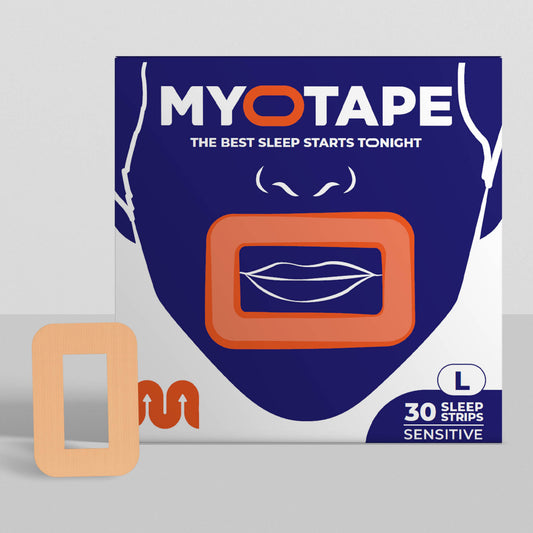
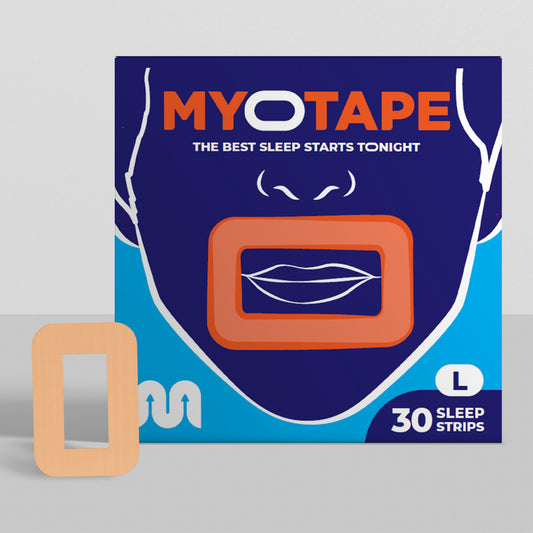
MyoTape is a gentle, easy-to-use tape designed to promote nasal breathing during sleep. Keeping your lips closed encourages breathing through your nose, which improves oxygen uptake and reduces airway resistance.
Nasal breathing also supports the body's relaxation response, helping you fall asleep faster and sleep more deeply.
For those struggling with jet lag, MyoTape can reduce breathing-related sleep disturbances and improve overall sleep quality. Better sleep accelerates your body's ability to reset its circadian rhythm and recover from jet lag symptoms.
Using MyoTape is a natural way to support your breathing and relaxation during this adjustment period.
Support Your Jet Lag Recovery with MyoTape
Jet lag recovery requires consistent action across multiple strategies. Among these, optimizing your breathing during sleep delivers the most immediate impact on sleep quality and circadian rhythm adjustment.
Nasal breathing accelerates jet lag recovery. MyoTape makes this happen by gently supporting your lips closed during sleep, encouraging natural nasal breathing without discomfort.
MyoTape is soft, skin-friendly, and allows you to open your mouth if needed, making it safe for adults and children. The design retrains your breathing patterns while you sleep, when mouth breathing typically occurs without awareness.
Breathing expert Patrick McKeown designed MyoTape to deliver results. Better breathing equals better sleep. Better sleep means a faster adjustment to the circadian rhythm and quicker jet lag recovery.
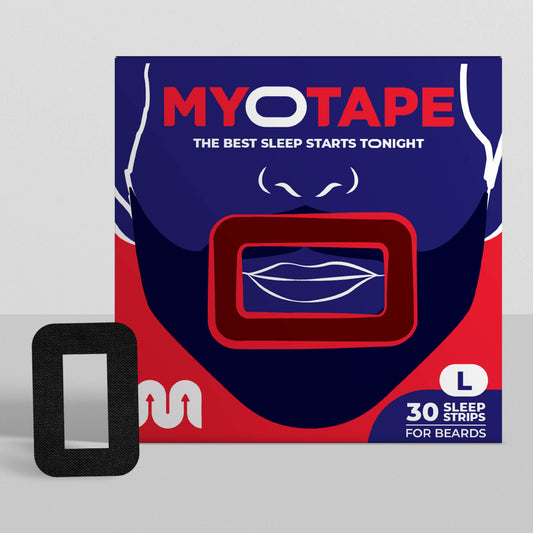
You can check out our range of effective mouth taping products designed for everyone, including mouth tape for kids, adults, those with sensitive skin, and those with facial hair.