A new year is a chance to reset habits and feel better in your body, but one often overlooked habit is how you breathe. Breathing happens automatically, yet over time it can quietly shift into patterns like mouth breathing or shallow, tense breaths.
If you struggle with low energy, poor sleep, or constant stress, your breathing habits may be a contributing factor.
Understanding how breathing habits form and why they develop helps explain why these patterns feel so hard to change. The good news is that breathing is a learned habit, and learned habits can be rewired.
This article explores how breathing habits form, why they develop, and how you can rewire them as part of a healthier start to the year.
How Breathing Habits Form
A poor breathing habit is a learned pattern that places unnecessary strain on the body. It often involves breathing too fast, too hard, too shallow, or through the mouth rather than the nose.
Breathing habits develop through repetition. The body adapts to how it breathes most often, especially during stress, rest, and daily routines. These patterns become automatic over time.
Breathing habits are shaped by:
- Lifestyle factors such as long hours of sitting, desk work, watching TV, and limited physical movement
- Stress and anxiety, which increase fast, shallow breathing, and reduce natural pauses between breaths
- Psychological and hormonal changes, including those during the monthly cycle, which can alter breathing rhythm
- Early childhood patterns, where poor breathing habits can form and influence airway function later in life
- Temporary nasal issues, where short-term mouth breathing continues even after congestion clears
- Structural issues, like a narrow nasal airway or enlarged adenoids, can make nasal breathing difficult. The body adapts by breathing through the mouth, and even after the issue improves, the pattern can remain a learned habit.
Because the body adapts quickly, many people wonder whether mouth breathing can be a habit. In most cases, it is. Mouth breathing often persists not because the nose is blocked, but because the pattern has been learned and reinforced over time.
Poor breathing habits can affect energy, sleep, focus, and overall well-being. Fast, shallow, or mouth breathing places extra strain on the body, disrupts sleep, and reinforces stress, making it harder to breathe calmly and effortlessly.
Understanding how breathing habits form and why they develop this way is essential because habits change through retraining, not effort or force.

The Mouth Breathing Habit
Mouth breathing often starts as a response to nasal congestion, physical exertion, or stress. Over time, breathing through the mouth can become automatic. A person may not notice it during rest, daily activities, or sleep.
This habit persists because mouth breathing allows a larger volume of air to enter quickly. The body becomes accustomed to this sensation and begins to expect it. Even after nasal obstruction is removed, the habit of breathing through the mouth can remain.
Research shows that many people who identify as mouth breathers are still able to breathe through the nose comfortably for short periods.
This indicates that the issue is often habitual rather than anatomical. In both children and adults, mouth breathing can continue because it has become the default pattern.
Mouth breathing also encourages faster and heavier breathing that shifts to the upper chest. When this pattern continues during sleep, it can contribute to dry mouth, snoring, disturbed sleep, poor posture, and morning fatigue.
These effects further reinforce the habit, making it harder to change without consistent intervention.
Can You Retrain Your Breathing?
Breathing habits can be changed. Because they are learned, they respond well to awareness and repetition.
Observing breathing at rest is an important starting point. If breathing is noticeable, forceful, or happening through the mouth, there is room for improvement.
Retraining breathing involves restoring nasal breathing as the default, both during the day
and at night. When switching from mouth to nose breathing, it is normal to experience mild air hunger.
This occurs because nasal breathing reduces the volume of air taken in. The sensation decreases as the body adapts.
Consistent nasal breathing helps slow breathing, reduce shallow breathing, and improve overall breathing efficiency. It can also help you fight against cold and flu.
The diaphragm is the main breathing muscle, and forming new breathing habits allows it to work more effectively, supporting proper breathing mechanics and improving postural control throughout the body.
Habit-based approaches are effective because they address the root cause. Breathing improves not by forcing more air in, but by teaching the body to breathe less, more calmly, and through the nose again.
How to Fix and Rewire Breathing Habits
Rewiring breathing habits works best when the body receives consistent physical cues. The goal is to restore nasal breathing as the default and, over time, reduce fast, shallow, or mouth breathing patterns.
Here are simple, effective ways to do that:
1. Use MyoTape to encourage nasal breathing

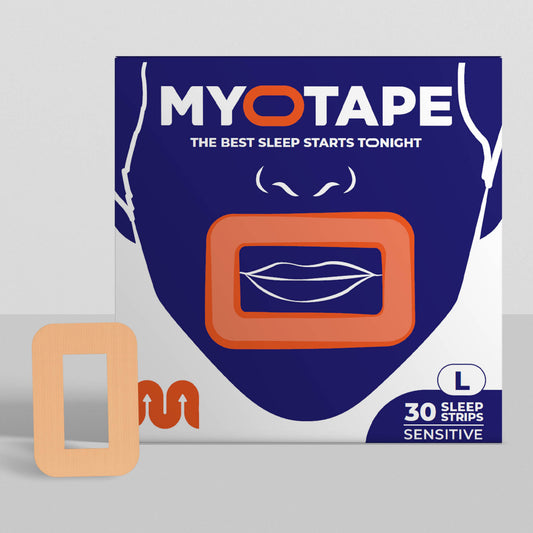
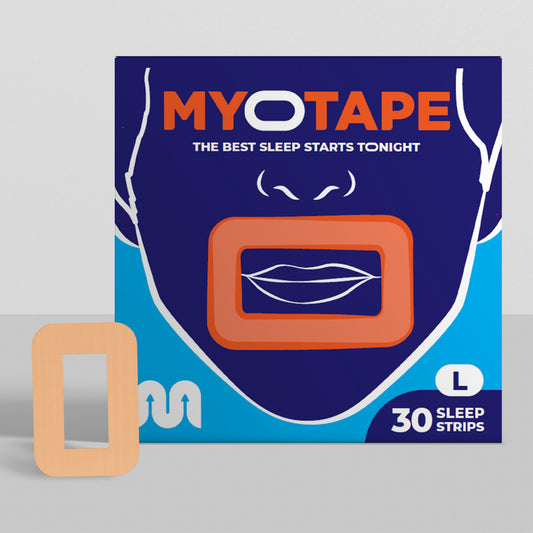
One of the most effective ways to change a mouth breathing habit is to support gentle lip closure. MyoTape provides a physical reminder for the lips to stay together without force, making nasal breathing easier to maintain, especially during rest and sleep.
This is why mouth taping for breathing retraining is so effective. It helps the body relearn nasal breathing even when you are not consciously thinking about it.
A 2020 study found that many people who mouth breathe can still breathe comfortably through their nose, confirming that the issue is often habitual, not structural. This answers a common question: Does mouth taping work for breathing? For habit-based mouth breathing, yes, it can be very effective.
2. Practice nasal breathing during the day
If you want to get rid of a mouth breathing habit, it has to be addressed during waking hours, not just at night. Make a habit of breathing in and out through your nose during rest, light activity, and walking.
Breathing should feel calm and quiet. If breathing feels effortful at rest, that is a sign the habit needs retraining. Consistent daytime nasal breathing is a key step in how to fix mouth breathing habits.
3. Reduce breathing volume using breathing exercises
Breathing exercises based on the Buteyko Method focus on slowing the breath and reducing breathing volume. When switching from mouth to nasal breathing, it is normal to feel mild air hunger. This is expected and temporary.
Light breath holds and calm, slow breathing help reset breathing rhythm and are effective for stopping shallow breathing patterns. These exercises help change breathing habits by teaching the body to breathe less, not more.
4. Create simple daily habit cues
Changing breathing habits requires repetition. Simple cues help reinforce the change. This can include checking lip position during rest, noticing breathing during screen time, or using MyoTape for short periods during the day.
These cues reduce unconscious mouth breathing and support long-term change. Over time, the body defaults to nasal breathing without effort.
5. Be consistent, especially during sleep
Sleep is where breathing habits are most deeply reinforced. Mouth breathing during sleep often goes unnoticed and strengthens the habit.
Supporting nasal breathing at night is essential if you want to change a mouth breathing habit long-term. This can a sleep goal you set for yourself.
Consistency matters more than intensity. Small, repeated actions lead to lasting change.
Make Nasal Breathing Your New Habit with MyoTape
If you want to change your breathing habits for good, you need a tool that works with your body, not against it.
MyoTape gently supports lip closure to help retrain nasal breathing during rest and sleep, when habits are hardest to control. Designed by breathing expert Patrick McKeown, it helps rewire your breathing habit.
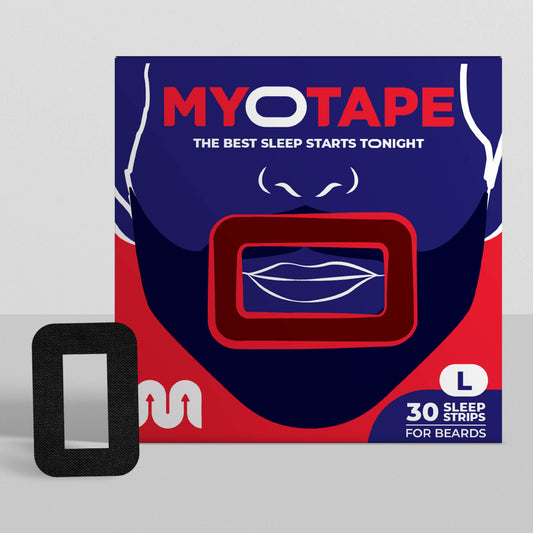
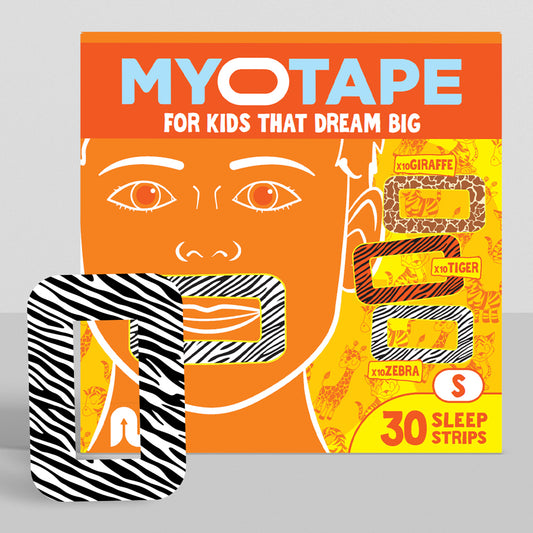
Unlike traditional mouth tapes, MyoTape surrounds the lips instead of sealing them shut, so it is comfortable, safe, and easy to use. With options for adults, children, sensitive skin, and facial hair, there is a MyoTape for everyone.
Take the next step toward better breathing and better sleep by choosing the MyoTape that fits your needs today.
View our range of effective mouth taping products designed for everyone, including mouth tape for kids, mouth tape for adults, those with sensitive skin, and even those with facial hair.