Travel can be exciting, but getting a good night's sleep away from home isn't always easy. Long flights, unfamiliar hotel rooms, dry cabin air, and changes in routine can all leave you feeling tired instead of refreshed.
If you already use mouth tape at home, you may be wondering whether you can safely bring it on your trip or even wear it on a plane.
This guide answers the most common questions about traveling with mouth tape and using it safely on flights and during hotel stays.
Can I Wear Mouth Tape on a Plane?

Many travelers ask if they can wear mouth tape on a plane. For most healthy adults who can breathe easily through their nose, it’s usually fine to use mouth tape while sleeping on a flight.
However, this only applies if your nasal passages are clear and you use a mouth tape that gently holds the lips together rather than completely sealing them.
Commercial aircraft cabins are pressurized, but the air pressure is still lower than at sea level, and the humidity is very low. This can contribute to dry mouth, dehydration, and discomfort during long flights.
Breathing through your nose warms, filters, and humidifies the air before it reaches your lungs, which is especially helpful on a plane.
Before using mouth tape on a plane, check that you can breathe easily through your nose. Mouth taping should help your normal nasal breathing, not force it.
Do not use mouth tape during a flight if you:
- Have a blocked or congested nose.
- Have a severe cold or sinus infection.
- Have been drinking alcohol.
- Feel nauseous or have an upset stomach.
- Kids under the age of four
- Do you have any condition that makes nasal breathing difficult?
If you can’t breathe freely through your nose, wait to use mouth tape until your nose is clear. Emma Roberts, one of the many celebs who wear mouth tapes, has talked about how she tapes her mouth on a plane.
How to Use Mouth Tape During Long Flights
Sleeping well on a plane is hard, especially on overnight trips. Noise, bright lights, dry air, and cramped seats can all make it tough to rest.
If you already use mouth tape at bedtime, using it on long flights can help you keep your usual breathing habits while traveling.
Put on the tape only when you’re ready to sleep, not for the whole flight. If you’re new to mouth taping on long flights, try wearing it for 15 to 20 minutes before sleeping to get used to it.
For a more restful flight, combine mouth tape with other healthy sleep habits:
- Wear an eye mask to block cabin light.
- Use earplugs or noise-canceling headphones to reduce noise.
- Support your head and neck with a travel pillow.
- Stay well hydrated before and during the flight.
- Practice slow, relaxed diaphragmatic breathing as you settle down to sleep.
Red-eye flights are even harder because you have to sleep sitting up, with noise and light all around. Using mouth tape along with earplugs and an eye mask can help block out distractions.
Slow, diaphragmatic breathing, with a longer exhale than inhale, is a well-established technique for calming the nervous system and can make it easier to settle into a seated position for several hours.

How to Use Mouth Tape Safely While Traveling and in Hotels
Travel often disrupts normal sleep. Unfamiliar hotel rooms, changing time zones, and different sleeping environments can all make it harder to relax.
If mouth taping is already part of your nightly routine, continuing it while you travel may help you maintain greater consistency with your sleep habits.
Before using mouth tape while traveling, make sure your nose is clear. Breathing through your nose should always feel easy and comfortable.
To apply mouth tape for sleeping while travelling:
- Gently stretch the tape by about 30%.
- Place it so it surrounds the mouth rather than sticking directly across the lips.
- Make sure the tape feels comfortable and lets you open your mouth if you need to.
When using mouth tape in a hotel, creating a sleep-friendly environment can also make a difference. Try to:
- Close blackout curtains to reduce light.
- Keep the room cool, quiet, and comfortable.
- Limit screen time before bed, or use your phone’s night mode.
- Stick to your usual bedtime routine as much as you can.
If you plan on mouth taping in a hotel room for several nights, pack enough strips for your trip and keep them in a clean travel case so they stay dry and ready to use.
MyoTape is designed to help you breathe comfortably through your nose while you sleep. For best results, use it only when your nose is clear and breathing feels natural.
Why MyoTape Is the Best Mouth Tape for Travel
Mouth taping for flights and hotel stays only works if you can actually stick with it, night after night, in a cramped seat or an unfamiliar bed. MyoTape delivers that.
Its flexible design wraps around your lips instead of sealing over them, keeping your mouth gently closed while you breathe through your nose all night.
That comfort helps you stay consistent, whether you’re on a long flight or settling into a new hotel room. MyoTape gives you the same support you use at home, even when you travel.
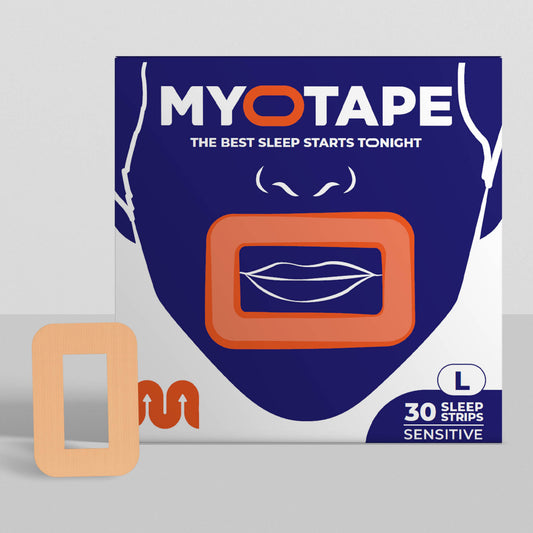
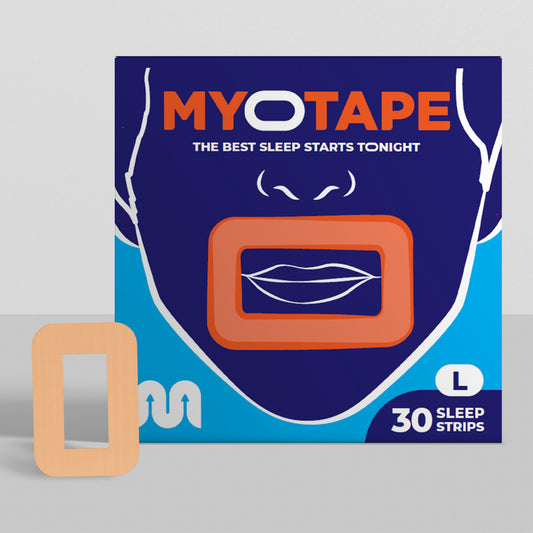
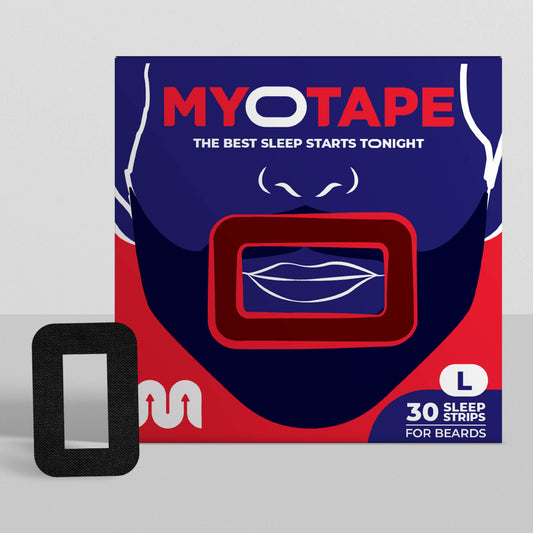
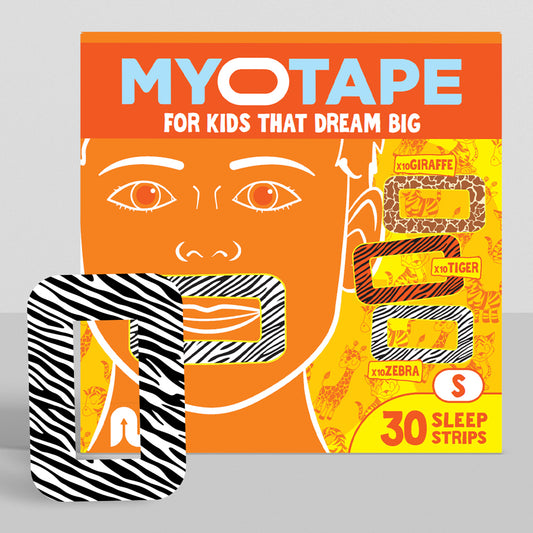
Pack MyoTape before your next trip and sleep better wherever you land. Visit the MyoTape online shop and find the right fit, including mouth tape for kids, mouth tape for adults, mouth tape for sensitive skin, and mouth tape for beards.