Cold and flu season often appears inevitable, particularly during the winter months. Even with diligent health practices, symptoms such as congestion, sore throats, and fatigue frequently recur annually.
An often overlooked factor influencing susceptibility to illness is the method of breathing, specifically whether one breathes through the nose or the mouth.
This article explores why nasal breathing matters and how it may help reduce your risk of seasonal illness.
How Breathing Directly Affects Your Immune System
How you breathe affects your immune system more than most people realize because it plays a role in how your body defends itself against infection.
First, mouth breathing during sleep often leads to snoring and fragmented rest, which impedes entry into deep, restorative sleep cycles essential for immune system repair and strengthening.
Insufficient high-quality sleep increases susceptibility to colds and flu, as a compromised immune system cannot generate adequate defenses to recognize and neutralize viruses before infection occurs.
Additionally, mouth breathing permits unfiltered, cold, dry air to enter the respiratory tract, rapidly removing moisture from the throat and airways and impairing their ability to mount an effective local immune response.
Nasal breathing provides the protective benefits of nitric oxide, a potent antiviral gas produced in the sinuses that inhibits viral replication. This benefit is absent when air enters through the mouth.
Without the natural filtration and humidification provided by the nasal passages, the mouth essentially acts as an open door for high viral loads and airborne droplets, leading to what researchers describe as unobstructed viral replication within the lower airways.
Ultimately, the habit of mouth breathing leaves your body's internal environment vulnerable and undefended, which significantly increases both the frequency of seasonal illnesses and the overall severity of the symptoms you experience during the winter months.

Does Nasal Breathing Improve Colds and Flu Resistance?
Nasal breathing enhances resistance to colds and flu through several well-documented physiological mechanisms.
- It improves sleep quality, which directly supports immune function
- It delivers nitric oxide into the airways, limiting viral replication
- It filters and humidifies air, protecting the respiratory tract.
To begin, nasal breathing improves immune defense first by improving sleep, because breathing through the nose keeps the airways moist and stable, allowing the body to enter deeper sleep stages where immune repair, inflammation control, and viral defense are most active.
Consistent, high-quality sleep is critical, as research demonstrates that poor or fragmented sleep increases susceptibility to respiratory infections, whereas deeper sleep enhances the immune system’s ability to identify and suppress viruses before symptom onset.
A further benefit of nasal breathing is the production and delivery of nitric oxide from the sinuses into the airways, where it functions as a natural antiviral and antibacterial agent, contributing to respiratory tract sterility.
Studies have demonstrated that nitric oxide inhibits the growth of bacteria and viruses. Subsequent research, including a 2013 study on flu patients, indicated that nasal breathing can improve outcomes by limiting viral replication through the inhibition of viral protein and RNA synthesis.
This nitric oxide-based defense is particularly relevant during respiratory outbreaks. Laboratory studies on SARS and clinical trials during the COVID-19 pandemic have explored nitric oxide’s capacity to reduce viral load and potentially shorten recovery time when present early in infection.
Nasal breathing also protects against illness by filtering, warming, and humidifying incoming air, which prevents the drying and irritation of airway tissues that would otherwise make it easier for viruses carried in droplets to establish infection.
Although nasal breathing does not confer immunity to colds or flu, evidence indicates that it reduces illness frequency, lessens symptom severity, and accelerates recovery by improving sleep quality, sustaining higher nitric oxide levels, and preserving the airway’s function as a primary immune defense.
How to Make Nasal Breathing a Habit to Beat Cold and Flu
The following strategies can help establish nasal breathing as a habit and enhance resistance to colds and flu:
1. Start with MyoTape for nighttime nasal breathing
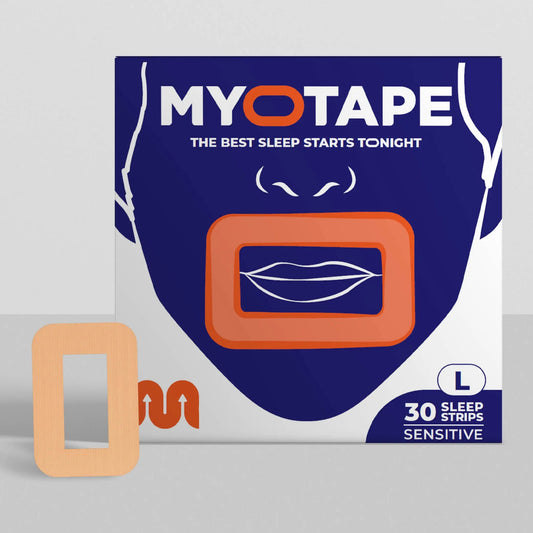
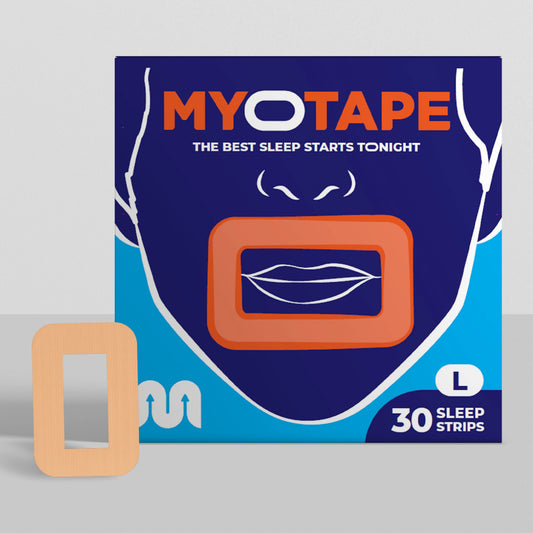
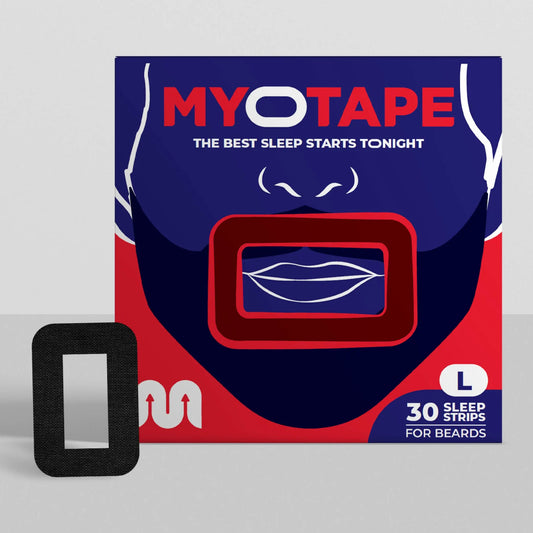
MyoTape is a gentle mouth tape designed to support nasal breathing during sleep by encouraging the lips to stay closed without restricting airflow or forcing the jaw shut.
It works because keeping the mouth closed makes nasal breathing the default, allowing the nose to filter, humidify, and deliver nitric oxide to the airways throughout the night.
This support matters because mouth breathing at night dries the airways, disrupts sleep, and weakens immune defenses for hours at a time, while MyoTape helps protect sleep quality and airway health without requiring conscious effort.
2. Use the Buteyko Method to retrain daytime breathing
Daytime breathing patterns strongly influence how you breathe under stress and during sleep.
The Buteyko Method is a breathing technique that reduces overbreathing by encouraging light, calm nasal breathing that feels natural rather than forced.
Practicing gentle nasal breathing with brief breath holds for several minutes daily can help reset the default breathing pattern.
Colds and flu frequently result in nasal congestion, which may prompt mouth breathing and lead to dry, irritated airways. The following Buteyko breathing nose-unblocking exercise can temporarily relieve congestion and restore nasal breathing.
How to do the exercise:
- Take a small breath in through your nose, then a small breath out.
- Pinch your nose and hold your breath.
- While holding, gently nod your head up and down.
- Hold until you feel a strong but manageable need for air.
- Release your nose and breathe calmly through your nose.
- Rest for about one minute and repeat up to five times.
This exercise helps clear nasal congestion by increasing nitric oxide in the nasal passages. Keeping your breathing calm and light afterward helps keep your nose clearer, even during a cold or flu.
3. Pay attention to your breathing during normal activities
Most mouth breathing happens automatically during screen time, focused work, or mental stress.
Simply noticing this and closing your mouth allows nasal breathing to re‑establish itself without deliberate effort.
4. Remove congestion instead of breathing around it
Consistent nasal breathing is difficult to maintain if the nasal passages are obstructed or uncomfortable.
Saline rinses, steam inhalation, nasal dilators, nasal strips, or nasal irrigation can remove physical obstructions and facilitate easier nasal breathing.
5. Support nasal breathing with better sleep conditions
A disrupted sleep environment increases the frequency of arousals, which can trigger mouth breathing.
Maintaining cool temperatures, darkness, and a quiet environment helps stabilize
breathing patterns and supports deeper sleep.
6. Allow time for the habit to become automatic
Breathing patterns are modified through consistent repetition rather than by relying solely on willpower.
Most individuals require several weeks of consistent practice before nasal breathing becomes natural and automatic.

Strengthen Your First Line of Defense with MyoTape
If you want to reduce how often you get sick and recover faster when you do, supporting nasal breathing at night is a simple place to start.
Nasal breathing enhances immune defense by improving sleep quality, maintaining airway moisture, and delivering nitric oxide, which helps limit viral replication.
However, most mouth breathing occurs at night, a period when the risk of cold and flu increases and immune repair should be most active.
MyoTape, developed by breathing expert Patrick McKeown, gently supports lip closure during sleep, enabling nasal breathing to occur naturally without force or restriction.
Select the MyoTape that best suits your needs. We offer options for mouth tape for adults, kids, sensitive skin, and those with facial hair.