Sleep is essential for good health, but for many couples, sharing a bed can actually make it harder to get quality rest.
This ongoing struggle has led to the rise of sleep divorce, a conscious decision to sleep in separate rooms to prioritize physical and mental well-being. However, separating bedrooms often addresses the symptoms rather than the cause.
This article looks at the meaning of sleep divorce, why it happens, and how addressing the root cause of snoring can help you avoid sleep divorce entirely.
What Is a Sleep Divorce?
The term might sound worrying at first. Some people think it means the relationship is in trouble. In fact, sleep divorce just means partners choose to sleep apart so they can rest better.
So what does sleep divorce look like in real life? It’s different for every couple. Some use separate beds in the same room, others sleep in different rooms, and some only do it during the workweek. The main goal is better sleep, not more distance.
It is a sleep-focused decision, not an emotional one. Many healthy couples use it to protect their energy, mood, and patience.
What some call sleep divorce is really a way to reduce nighttime stress and show up better for each other during the day, even if the phrase “sleep divorce” sounds harsher than the reality.

How Common Is Sleep Divorce?
If you’re wondering whether sleeping apart is unusual, the data says it’s not. Research shows that separate sleeping arrangements have become increasingly common among couples.
According to the American Academy of Sleep Medicine and ResMed’s 2025 Global Sleep Survey, more than one‑third of adults occasionally or consistently sleep in another room from their partner.
Here’s what the data shows:
- Over one in three Americans sleeps at least some of the time separately.
- Nearly half of U.S. couples report sleeping apart occasionally.
- About 43% of Millennials and 33% of Gen X couples do not always share a bed.
- Millions of couples worldwide report some form of sleep separation.
In short, sleep divorce is no longer rare. It has become a common and normalized sleeping arrangement, reflecting how many couples prioritize rest while remaining in committed relationships.
Why Sleep Divorce Happens
The main reason sleep divorce is becoming more common is simple: ongoing sleep loss. When one partner can’t sleep, both partners eventually suffer.
Snoring is one of the most common reasons couples stop sharing a bed. Loud breathing, gasping, or ongoing noise can make it nearly impossible for the other partner to sleep.
Over time, repeated nights of disruption lead to frustration, resentment, and emotional distance.
It might sound dramatic to blame snoring for relationship problems, but many couples say that constant tiredness and nightly stress eventually make them sleep apart, even if their relationship is strong.
Other things can lead to sleep divorce too. Different sleep schedules, poor sleep hygiene, body heat, tossing and turning, insomnia, or sharing the bed with kids or pets can all play a part. When nights get stressful, sleeping apart can seem like the only option.
Effects of Sleep Divorce
Every couple’s experience is different. Seeing the whole picture helps you weigh the pros and cons of sleep divorce.
Potential benefits:
- Better sleep quality and longer sleep time
- Improved mood and emotional regulation
- Less nighttime conflict and resentment
- More intentional intimacy and communication
Possible downsides:
- Reduced physical closeness at night
- Feelings of loneliness or disconnection
- Higher costs if an extra room or bed is needed
- Some experts think sleep divorce isn’t right for every couple, since sharing a bed can help with bonding and emotional security.
Does Sleep Divorce Work?
For some couples, sleeping apart genuinely helps. Sleep divorce works best when the issue is physical sleep disruption rather than emotional distance. Better rest often leads to calmer conversations, more patience, and fewer unnecessary arguments.
Many people notice they feel more present and emotionally balanced once exhaustion is removed from the equation.
This is why sleep divorce works for couples who are otherwise connected and communicating well. In these cases, a sleep divorce is healthy because it protects sleep without sacrificing intimacy or emotional closeness.
Ultimately, the success of sleeping apart isn’t about the setup itself. It’s about whether it improves how partners relate to each other during the day, not just how they sleep at night.

Do You Really Need a Sleep Divorce?
Before deciding to sleep in separate rooms, it is worth pausing and asking a simple question. Do you need a sleep divorce, or do you need a better way to sleep together?
For many couples, sleeping apart is a short‑term solution rather than a permanent one.
Problems like snoring, restlessness, or different sleep habits often have fixable causes. In some situations, a sleep divorce is healthy. In others, it may not be necessary at all.
If you’re not sure, try making small changes first. Often, simple tweaks can help you avoid sleep divorce and improve sleep for both of you. The next section shares practical steps to try before sleeping in separate rooms.
How to Cope with Sleep Divorce
Before you decide to sleep in separate rooms, try a few practical changes together. These tips help improve sleep and keep you close, but don’t assume you have to avoid sleeping apart.
1. Start with simple sleep environment fixes
Small adjustments can reduce disruption quickly. Separate blankets, a cooler room, white noise, or a larger mattress can help limit movement and nighttime awakenings. For some couples, these changes alone are enough to improve shared sleep.
2. Address mouth breathing and snoring early
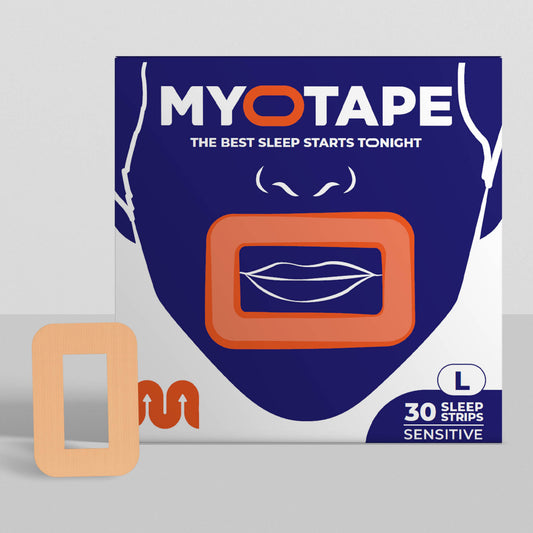
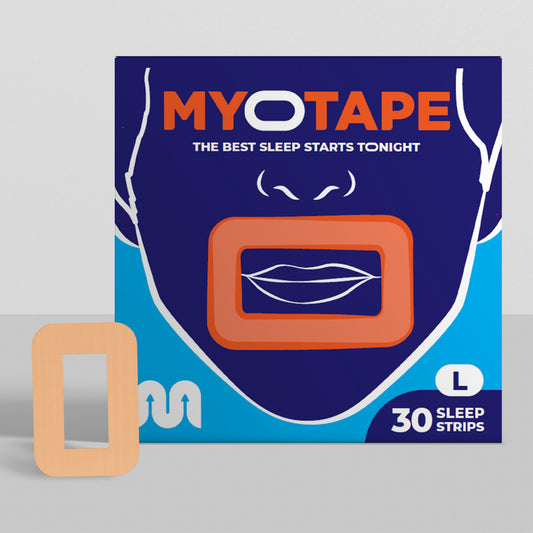
Snoring is a top reason couples stop sharing a bed, and mouth breathing is often part of the problem. Sleep aids like MyoTape help keep the mouth closed and encourage nose breathing at night.
For some, better breathing means less noise and restlessness, making it easier to keep sleeping together.
3. Respect different sleep rhythms
Not everyone sleeps on the same schedule. One partner may naturally fall asleep early, while the other stays up later. Rather than forcing identical bedtimes, aim for shared wind‑down or wake‑up routines to stay connected while honoring natural sleep patterns.
4. Set clear sleep agreements together
If sleep remains disrupted, talk openly about boundaries and expectations. This is where sleep divorce rules can be helpful. Agree on whether sleeping apart is occasional, temporary, or limited to certain nights, so the decision feels intentional rather than reactive.
5. Keep emotional connection front and center
How you sleep matters less than how you stay emotionally close. Regular check-ins, shared routines, and making time for intimacy help keep your connection strong, no matter where you sleep.
MyoTape Offers A Better Way to Sleep Together
Snoring and mouth breathing don’t have to force couples into separate rooms. MyoTape is a simple, gentle way to support nose breathing and cut down on nighttime noise, so both partners can sleep better together.
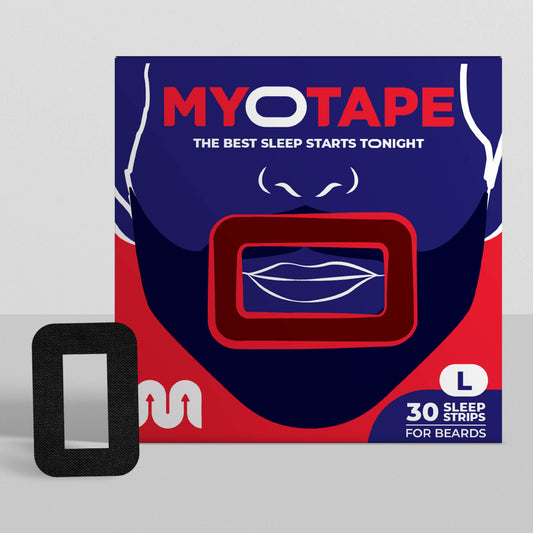
MyoTape is different from regular mouth tapes. It’s comfortable, hypoallergenic, and lets you breathe safely and naturally while you sleep. It gently helps your lips stay closed without feeling tight.
If you are looking for a practical step toward quieter nights and better shared sleep, MyoTape is a smart place to start. You can check out our range of effective mouth taping products designed for everyone, mouth tape for kids, adults, sensitive skin, and facial hair.