A good night’s sleep starts with the environment around you. If your bedroom is too hot, bright, noisy, or uncomfortable, your body may struggle to get the quality rest it needs during the summer.
When your room supports better sleep, falling asleep and staying asleep become much easier.
In this article, you’ll discover simple sleep environment tips to help you create deeper, more restful sleep during the summer months.
1. Support nasal breathing during sleep

Breathing through your nose at night helps you stay calm, snore less, get more oxygen, and sleep better, especially when it’s warm outside.
Mouth breathing at night can cause dry mouth, lighter sleep, and more frequent waking, especially if your room is hot or stuffy.
Breathing through your nose helps you breathe more slowly and relax, which makes it easier for your body to settle into deeper sleep.
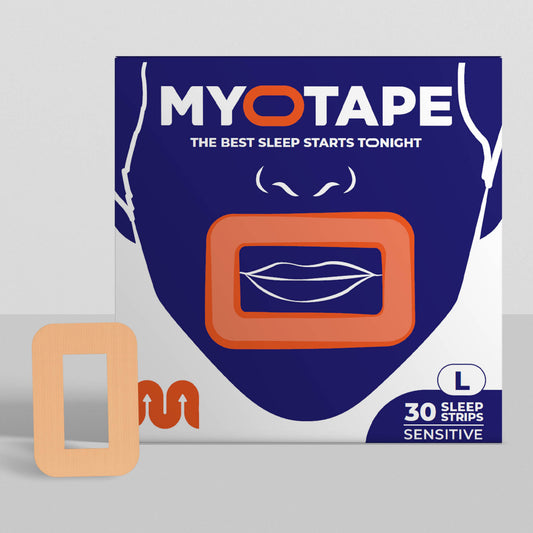
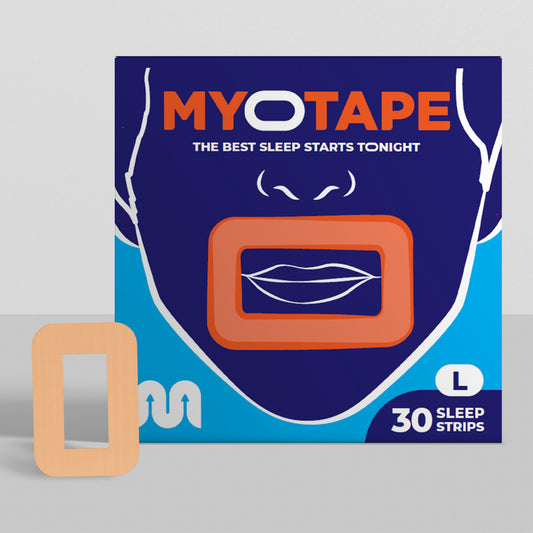
If you have trouble keeping your mouth closed at night, products like MyoTape can help you breathe through your nose and sleep better.
2. Keep your bedroom cool
A cool bedroom helps your body relax more quickly and lets you sleep more deeply, even on hot summer nights.
Hot and humid nights can make you feel restless, sweat more, and wake up during the night, making it harder to stay asleep.
Fans, light bedding, and cool pajamas can make your bedroom more comfortable for sleeping. A cooler room can also help you breathe easier and relax before bed.
3. Make the room completely dark
A dark bedroom helps your body make melatonin and keeps your natural sleep cycle on track.
Light from phones, TVs, alarm clocks, or outside can make it harder for your brain to know when it is time to sleep.
Blackout curtains and softer lights can help your bedroom feel more sleep-friendly, even on long summer evenings.
Turning down the lights before bed can help you fall asleep more quickly and sleep better.
4. Reduce noise in the bedroom
Noise can disrupt your sleep cycles and lower sleep quality, even if you don’t fully wake up at night.
Sounds from traffic, parties, fans, or neighbors in the summer can make it harder for your brain to fully relax at night.
Using white noise, earplugs, or sound-absorbing materials can make your bedroom quieter and help you sleep better. A quiet, peaceful room helps you relax and stay asleep longer.

5. Improve airflow and ventilation
Letting fresh air in can make your bedroom feel cooler and more comfortable when it is warm outside.
If your room lacks good airflow, you might get too hot, feel stuffy, or have trouble breathing at night.
Using a fan or opening a window when it is cooler can help freshen the air in your bedroom. Cool, clean air helps you breathe easier and sleep more soundly all night.
6. Avoid screens before bed
Blue light from screens like phones, tablets, and TVs can slow down melatonin and make it harder to fall asleep.
Looking at social media or watching exciting shows before bed can keep your mind busy, making it harder to relax.
Cutting back on screen time in the evening can help your bedroom feel calmer and make it easier to sleep. Device time settings can also help reduce unnecessary light exposure before bed.
7. Avoid eating too close to bedtime
Eating heavy meals late at night can increase digestive activity, making sleep feel less comfortable.
Eating late can also cause bloating, heartburn, and wake you up during the night.
Sleep experts generally recommend avoiding food at least two hours before bedtime to help the body settle properly.
A lighter body state before bed can help create better conditions for deeper sleep.
8. Keep your bedroom clean and relaxing

A cluttered bedroom can feel mentally overstimulating and make it harder to unwind before sleep.
Keeping your bedroom clean, tidy, and comfortable can help your mind connect the space with rest.
Clean sheets, gentle lighting, and a neat room can make your bedroom feel calmer before you go to sleep.
A peaceful bedroom environment supports relaxation and helps improve sleep quality over time.
9. Calm your mind before sleep
Stress and overthinking can keep you alert and make it hard to fall asleep.
Watching stressful content or constantly checking notifications before bed can increase mental stimulation late at night.
Doing things like meditating, reading, or slow breathing exercises from the Buteyko Method can help you relax before bed.
A calm mind helps create a better sleep environment and supports deeper rest.
10. Build a sleep environment that supports deep rest
The best sleep environment keeps your body cool, calm, quiet, and comfortable all night.
Simple habits like dimming lights, reducing noise, and improving airflow can make a big difference in your sleep quality over time.
Good sleep habits help you get deeper, more refreshing sleep during the summer.
Breathing through your nose with help from products like MyoTape, along with a cool and calm bedroom, can help you sleep better and wake up refreshed.
Improve Your Sleep This Summer with MyoTape
Making the perfect sleep environment in summer is about more than just keeping your room cool and dark. How you breathe at night also affects your sleep, and mouth breathing can lead to snoring, dry mouth, restless sleep, and waking up often.
MyoTape gently supports nasal breathing during sleep by helping your lips stay comfortably closed without forcing your mouth shut. Created by breathing expert Patrick McKeown, it encourages calmer, steadier breathing, which can help you sleep more deeply.
If you want to improve your sleep this summer, MyoTape is an easy addition to your nighttime routine, along with a cooler, quieter, and more relaxing bedroom.
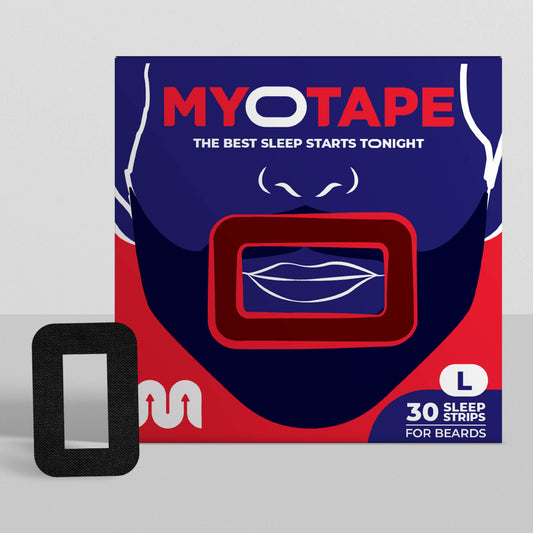
Order from the MyoTape online shop and select from a variety of options designed for everyone, including mouth tape for kids, mouth tape for adults, mouth tape for sensitive skin, mouth tape for beards, and start sleeping better tonight.