When comparing nasal strips vs mouth tape, it's easy to assume they do the same thing. However, each works differently and may help with different breathing concerns. If you're looking to reduce snoring or breathe more comfortably at night, understanding the difference is important.
Nasal strips gently widen the nasal openings to improve airflow, while mouth tape is designed to encourage the lips to stay closed during sleep. Both have potential benefits, but they also have limitations.
So, which is better for sleep and snoring? Let's compare how nasal strips and mouth tape work, their pros and cons, and what to consider before using either.
What Are Nasal Strips and How Do They Work?

Nasal strips are flexible adhesive bands that sit across the bridge of your nose. As the strip tries to spring back flat, it lifts the sides of your nostrils and widens your nasal openings. By reducing resistance at the nostrils, they can make breathing through your nose easier at night.
How well nasal strips work depends on why you struggle to breathe at night. For people with restricted nasal airflow, they offer a practical way to breathe more easily during sleep or exercise.
But a nasal strip only helps if you are actually breathing through your nose. It can't stop your mouth from falling open, so on its own it does little to help with mouth breathing.
Many people wear nasal strips every night without any issues. But if your nose is always congested or you suspect a structural problem, see an ear, nose, and throat (ENT) specialist.
What Is Mouth Tape and Does It Work?

Mouth tape is a gentle tape worn during sleep to encourage your lips to stay closed. With your mouth shut, your body switches to breathing through your nose. Closed lips may also help your tongue rest on the roof of your mouth, a position linked to a more open airway.
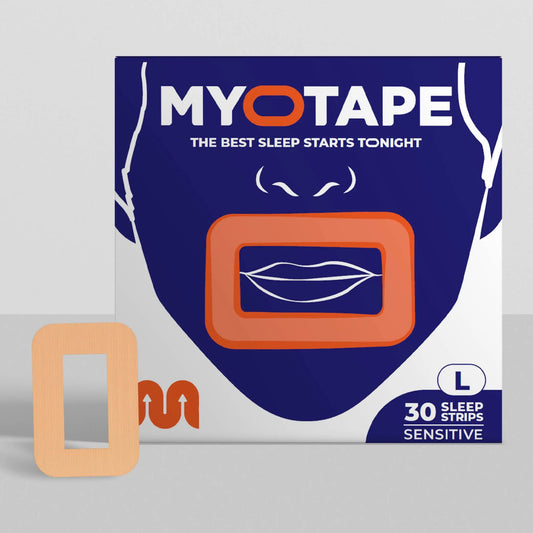
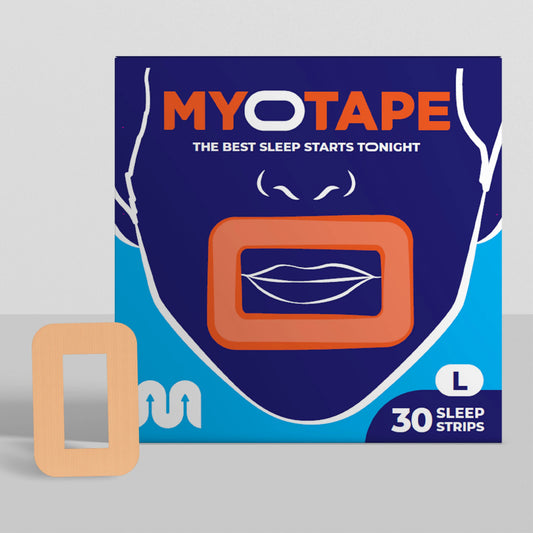
While you sleep, mouth tape acts as a gentle reminder. MyoTape, for example, sits around the lips rather than across them, leaving the center of your mouth uncovered. Its light elastic tension prompts your lips to close if your mouth begins to drop open.
Research on mouth tape is still developing, but early findings are encouraging. In one study, 83.5% of habitual mouth breathers could breathe comfortably through the nose with their lips taped. Using mouth tape for nasal breathing can also support a longer-term habit change.
Nasal Strips vs Mouth Tape: Key Differences
Here's the simplest way to picture it: nasal strips open the door, and mouth tape helps make sure you walk through it.
| Nasal Strips | Mouth Tape | |
|---|---|---|
| Main purpose | Widen the nostrils to ease airflow | Encourage the lips to stay closed |
| Where it goes | Across the bridge of the nose | On or around the lips |
| Best suited for | A nose that feels narrow or restricted | Sleeping with your mouth open or waking with a dry mouth |
| Type of snoring | Nasal snoring | Mouth snoring |
| Main limitation | Doesn't stop mouth breathing | Doesn't clear a congested nose |
So, which is better, mouth tape or nasal strips? Neither option is better for everyone. The right choice depends on where your breathing gets stuck at night.
Mouth Tape vs Nasal Strips for Snoring: Which Is Better?
Snoring can come from your nose, your mouth, or both. If you share a bed, your partner can help by listening for where the sound comes from, because nose snoring sounds quite different from mouth snoring.
Once you know the source, choosing between mouth tape and nose strips for snoring gets much easier:
- Snoring through your mouth? Mouth tape is the better fit, especially if you wake up with a dry mouth. Keeping your lips closed helps prevent mouth snoring, because air flows through your nose instead.
- Snoring through your nose? Nasal strips can help if snoring is caused by restricted nasal airflow. Sleeping on your side and breathing more gently may also soften nasal snoring.
- Snoring through both? Using the two together may help (more on this below).
Mouth tape won't fix snoring caused by other issues, such as a narrow airway in the throat. And neither product treats obstructive sleep apnea. If you snore loudly, gasp or pause in your breathing during sleep, or wake up exhausted, talk to your doctor.
Mouth Tapes vs. Nose Strips: Pros and Cons
Nasal strips
The main benefits of nasal strips:
- Quick to apply and easy to remove
- May improve airflow when your nose feels restricted
- Useful during exercise as well as sleep
Nasal strips also have a few downsides:
- They don't keep your mouth closed
- The adhesive may irritate sensitive skin, and facial oils can loosen it overnight
- They won't fix a structural blockage
Mouth tape
The benefits of sleeping with mouth tape:
- Encourages nasal breathing through the night
- May reduce dry mouth on waking
- Targets mouth snoring directly
- Many users report more restful sleep
On the other side of the pros and cons of mouth tape:
- It can feel strange at first, so try wearing it for 20 minutes before bed
- It may come off during the first few nights
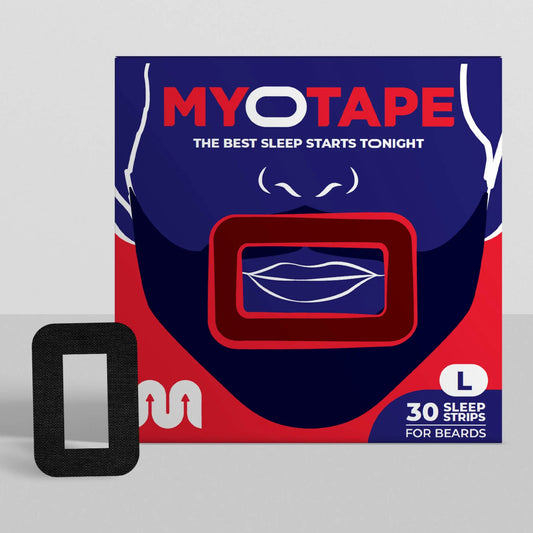
- Some people experience skin irritation, and beards or stubble can stop standard tapes from sticking
- It won't clear a stuffy nose
Can You Use Nasal Strips and Mouth Tape Together?
Yes, and for many people they work best as a team. Each one covers the other's weak spot. A nasal strip opens your nostrils, so nose breathing feels easier. Mouth tape keeps your lips closed, so you actually use that open nose all night.
If your nose partly blocks while you wear lip tape, try adding a nasal dilator. The pairing may suit you if you:
- Snore through both your nose and your mouth
- Have a naturally narrow nose or a deviated septum
- Are new to mouth taping and feel slightly short of air at first
To use both, apply the nasal strip first and check that you can breathe comfortably through your nose. Then put on your mouth tape. If your nose feels fully blocked, skip the tape that night.
Conclusion
When it comes to nasal strips vs mouth tape, the two aren't really rivals. They solve different breathing problems, and the right choice depends on what happens while you sleep.
If your nose feels narrow or blocked, a nasal strip can make airflow easier. If your mouth falls open at night, mouth tape helps keep your lips closed so you breathe through your nose. And if you deal with both, using them together gives you the benefits of each.
To get started, explore the MyoTape range, or browse our nasal strips to pair with your tape. If snoring continues or you suspect sleep apnea, speak to your doctor.