Have you ever woken up feeling more tired than when you went to bed? Your head feels heavy, your mind is foggy, and even getting out of bed feels like a struggle.
It can feel just like a hangover, even when you haven’t consumed any alcohol. This is often called a sleep hangover, and a sleep hangover without alcohol is far more common than you might think.
So why does a full night’s sleep sometimes leave you feeling worse instead of refreshed? In this guide, you’ll learn what a sleep hangover is, what causes it, and simple steps to shake off the fog and start waking up clearer.
What Is a Sleep Hangover?
A sleep hangover is the heavy, groggy, slow-to-start feeling that lingers after you wake up, even when you've spent enough time in bed. Your body is awake but your brain hasn't fully caught up.
The term itself is informal. In sleep research, the short period of grogginess after waking is called sleep inertia. Your brain doesn't switch on all at once, so alertness and clear thinking can lag for a while.
In everyday language, the term "sleep hangover" stretches a little further. It usually describes grogginess that hangs around much longer than normal, sometimes well into the morning or beyond.
It isn't a medical diagnosis, but the feeling is real. If you've ever wondered whether a sleep hangover is real, the answer is yes. The fog reflects real changes in your brain and body as you wake. Almost anyone can get a sleep hangover, especially after a short, late, or restless night.
Sleep Hangover Symptoms
A sleep hangover affects both your mind and your body. The signs vary from person to person, but common sleep hangover symptoms include:
- Grogginess and slow thinking, as if your brain is running a few steps behind
- Brain fog that makes it hard to focus or make simple decisions
- Heavy limbs and low energy, even after a full night in bed
- A dull headache on waking
- Irritability or low mood early in the day
- A dry mouth or throat, which is often a sign of breathing through your mouth during the night
- Strong cravings for coffee or sugar just to get going
In real life, a sleep hangover can feel like your body showed up for the day but your brain stayed in bed. You might reread the same email three times, struggle to find simple words, or feel short-tempered before you've even had breakfast.
The sleep hangover effect often reaches well beyond the morning. It can slow you down at work, wear down your patience, and leave you reaching for snacks or caffeine to keep going.
What Causes a Sleep Hangover?

A sleep hangover usually comes down to three things: when you wake, how much you sleep, and how well you sleep. Common triggers include:
- Waking from deep sleep. Sleep runs in cycles of roughly 90 to 110 minutes. An alarm that pulls you out of deep sleep often leaves you with a heavy, disoriented deep sleep hangover.
- Waking during REM. Surfacing in the middle of a vivid dream can leave you foggy and out of sorts, sometimes called a REM sleep hangover.
- Sleeping too much. A long lie-in shifts your body clock, a pattern known as social jet lag. This too-much-sleep hangover often hits hardest on Monday morning.
- Not sleeping enough. Your brain does much of its overnight clean-up during deep sleep. Cut that short and a lack-of-sleep hangover sets in, bringing the fog, low energy, and cravings that make lack of sleep feel like a hangover.
- Broken or light sleep. Noise, stress, or bathroom trips can stop you from completing full sleep cycles. Eight hours in bed can still end in a bad sleep hangover.
- Mouth breathing and snoring. When your mouth falls open, your jaw drops and your airway narrows. Breathing through the mouth during sleep takes about 2.5 times more effort than nasal breathing and is a common cause of snoring. A dry mouth on waking is a telltale sign linked with poorer sleep quality and daytime sleepiness.
- Sleep apnea. Repeated pauses in breathing break up sleep throughout the night. A sleep apnea hangover often comes with loud snoring, gasping, or morning headaches. If that sounds familiar, speak to your doctor.
How Long Does a Sleep Hangover Last?
Normal grogginess after waking usually fades soon once you're up and moving. A heavier sleep hangover can stick around much longer, sometimes for several hours, and in some cases drag on most of the day.
How long a sleep hangover lasts depends on a few things:
- The sleep stage you woke from. Waking from deep sleep usually leaves you groggier than waking from light sleep.
- How much sleep you got. Short or broken nights tend to make the fog last longer.
- How regular your schedule is. A sudden shift in your bedtime or wake time can make your body clock work against you.
- How well you breathed overnight. Snoring and mouth breathing can lower sleep quality, leaving you less refreshed.
- What you do after waking. Staying in a dark room or scrolling in bed can keep you sluggish longer.
An occasional groggy morning is normal. If you feel this way most days, talk to your doctor, especially if you snore or wake up gasping.
How to Get Rid of a Sleep Hangover
There's no instant sleep hangover cure, but a few simple steps can help clear the fog faster. Rather than relying on coffee alone, try these first.
- Get natural light early. Step outside or sit by a window for 5 to 10 minutes after you wake. Morning light helps switch off melatonin, the hormone that makes you sleepy, and supports cortisol release, which helps you feel alert.
- Listen to a guided breathing audio. If you find it hard to switch off on your own, try this free guided audio from Patrick McKeown. It gently guides your breathing to calm your mind and body, helping you feel clearer and more settled.
- Drink a glass of water. You lose moisture overnight, especially if you breathe through your mouth, so rehydrating can help you feel fresher.
- Move your body. A short walk or some gentle stretching gets your blood flowing and helps shake off that heavy feeling.
- Try a breathing reset. Sit upright with your mouth closed. Breathe in gently through your nose for a count of four, then out slowly and quietly for a count of six. Continue for a few minutes. This slow, steady rhythm helps calm your mind and body and leaves you feeling more settled.
- Take a short rest if you need one. If the fog won't lift, a 20-minute rest can reset your focus. Lie down, close your eyes, and follow your breath. Keep it short so you don't drift into deep sleep, which could leave you groggier.
If you need to get over a sleep hangover quickly, light and movement are your simplest tools. These steps can help you recover without extra caffeine.
How to Prevent a Sleep Hangover
The best way to fix a sleep hangover is to tackle what's causing it. These seven habits can help you wake up clearer, starting tonight.
1. Breathe through your nose while you sleep

If you wake with a dry mouth, snore, or feel groggy after a full night, mouth breathing may be part of the problem. When your mouth falls open, your airway narrows and breathing takes more effort. This can cause snoring and lighter, more broken sleep, so you wake feeling less rested. Your nose filters, warms, and moistens the air, and nasal breathing helps keep your airway more stable.
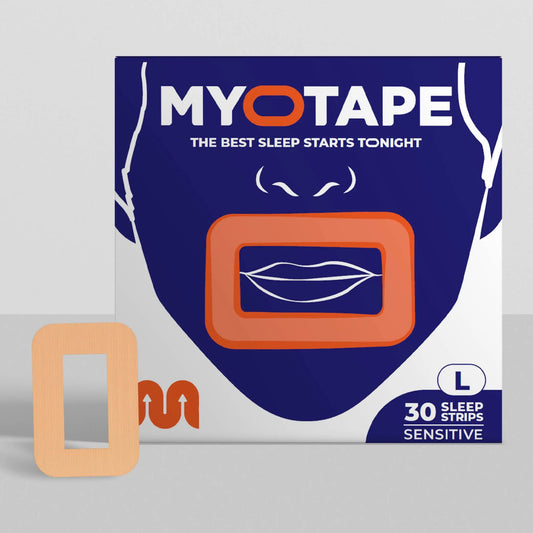
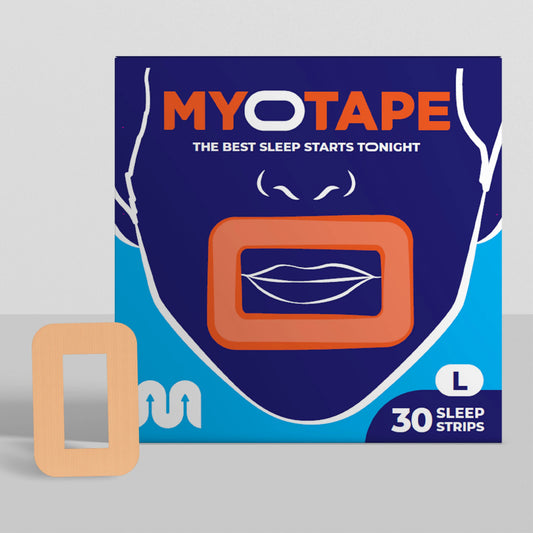
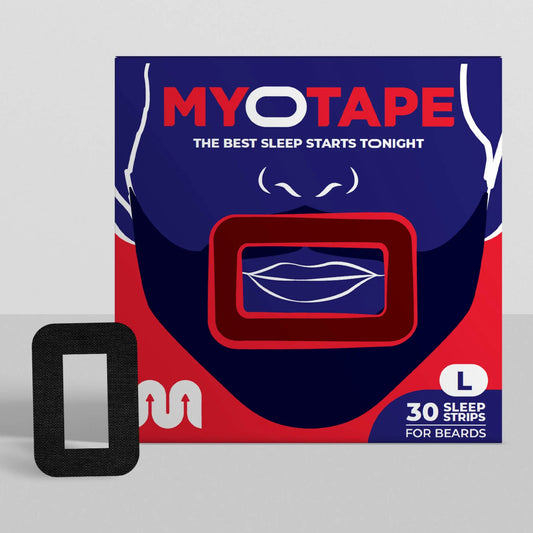
MyoTape sits around your mouth, gently drawing your lips together so you breathe through your nose all night, often leading to a fresher mouth, quieter nights, and clearer mornings.
Unlike nasal strips, which open a stuffy nose but don't keep your mouth closed, MyoTape works on the mouth itself, and you can use both if your nose often feels blocked.
2. Keep a regular wake time
Get up at roughly the same time every day, including weekends. A steady wake time keeps your body clock on track and helps prevent social jet lag.
3. Swap lie-ins for earlier nights
If you need to catch up on sleep, go to bed a little earlier instead of sleeping in. It's much gentler on your body clock.
4. Protect your sleep hours
Most adults need at least seven hours of sleep a night. Treat that time as non-negotiable where you can.
5. Dim the lights in the evening
Bright screens and artificial light at night can delay melatonin, the hormone that helps you fall asleep. Lower the lights and put devices away before bed.
6. Time your caffeine
Caffeine can stay in your system for many hours. Keep it to the morning and avoid it for at least eight hours before bed.
7. Wind down with slow breathing
Spend 15 to 20 minutes before bed breathing gently and slowly through your nose. This can help quiet a busy mind and prepare your body for deeper, more settled sleep.
A sleep hangover is common and usually reflects how you slept. With steadier routines, better-quality sleep, and nasal breathing at night, you can wake up clearer and more rested more often.
Do you want to wake up feeling like yourself again? Explore the full MyoTape range and make nasal breathing part of your nightly routine.
Frequently Asked Questions
What is the difference between a sleep hangover and sleep inertia?
Sleep inertia is the normal, short-lived grogginess you feel right after waking while your brain shifts into full alertness. A sleep hangover usually describes heavier grogginess that lasts much longer, often because of short, irregular, or poor-quality sleep.
Can lack of sleep cause hangover symptoms?
A short night can leave you with symptoms that closely mirror a hangover, including headaches, brain fog, irritability, low energy, and cravings. Your brain and body simply haven't had enough time to recover overnight.
Why does lack of sleep feel like a hangover?
When you don't get enough sleep, your brain gets less deep sleep, where much of its overnight recovery happens. Short sleep also affects mood and appetite hormones, explaining irritability and cravings.
Can you get a headache from sleeping too much?
Some people wake up with a headache after oversleeping. This is often linked to a shift in sleep timing, such as a long weekend lie-in. If you regularly wake up with headaches, speak to your doctor.
How can I reduce a sleep hangover quickly?
Get natural light, drink water, move your body, and spend a few minutes breathing slowly through your nose. These simple steps can help you recover faster than coffee alone.
Can mouth breathing make a sleep hangover worse?
Mouth breathing at night is linked to snoring, dry mouth, and poorer sleep quality, which can leave you feeling unrefreshed. Encouraging nasal breathing during sleep may help you wake up feeling clearer.
Is it normal to have a sleep hangover every day?
An occasional groggy morning is normal. Feeling this way most days is worth investigating, especially if you snore loudly, wake up gasping, or have morning headaches. A doctor can help rule out a sleep disorder such as sleep apnea.
Can a nap cause a sleep hangover?
A long nap can leave you groggy if you wake from deep sleep. Keeping daytime rest to about 20 minutes makes this less likely and can help you feel refreshed, not heavy.