Sleep doesn’t just begin when you lie down at night. What you do during the day and what goes on in your body overnight both shape how well you rest.
That’s why so many things affect your sleep. Your morning coffee, evening habits, stress levels, and even the way you breathe can all make a difference.
If you often struggle to sleep or wake up tired without knowing why, the cause might be something simple you haven’t noticed.
In this article, we’ll look at seven surprising factors that affect sleep quality and share easy tips to help you rest better.
1. How You Breathe at Night

How you breathe at night is one of the most overlooked influences on sleep. When your mouth falls open, your jaw drops, your tongue slides back, and your airway narrows. This can lead to snoring.
Sleeping with your mouth open can cause problems that show up the next morning, such as:
- A dry mouth or sore throat
- Feeling tired despite a full night in bed
- Lighter, more broken sleep
Does snoring only affect your partner’s sleep, or yours too? It can disturb both. Snoring is linked to brief awakenings you might not remember, which can reduce deep sleep. About 44% of men and 28% of women between 30 and 60 snore regularly. If your husband’s snoring keeps you up, you’re not alone.
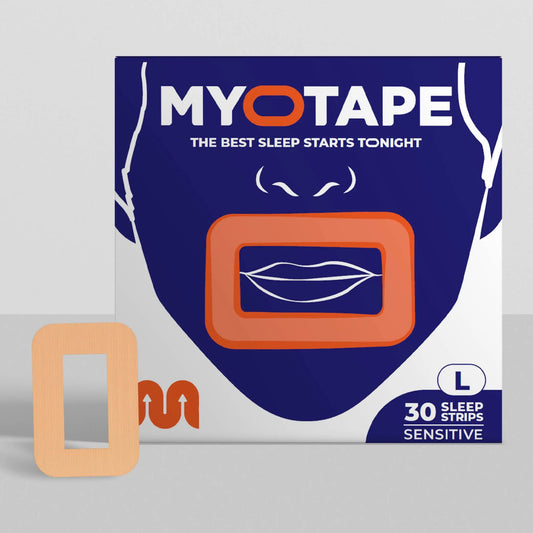
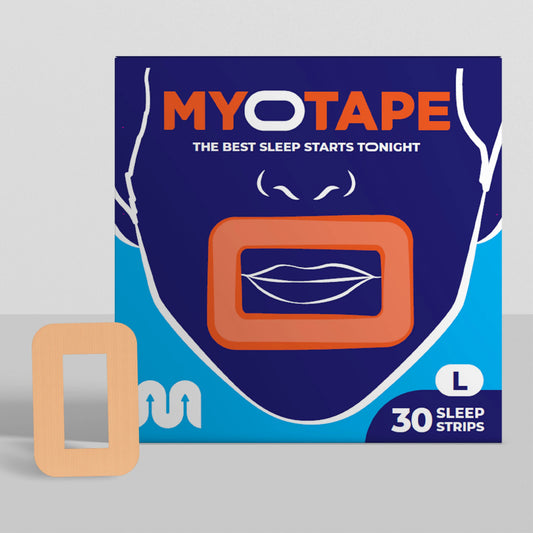
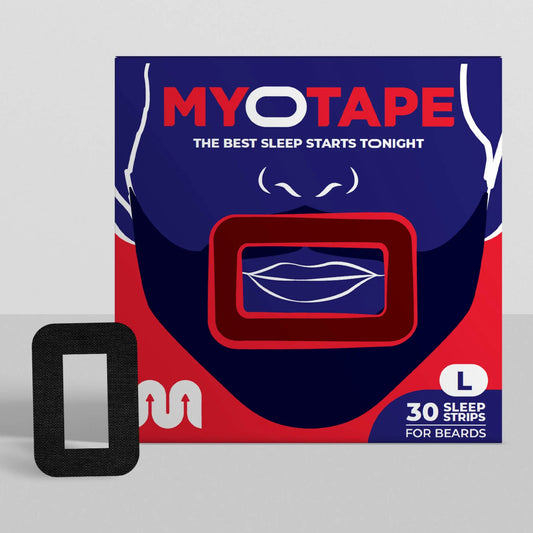
Snoring from mouth breathing often gets better when you keep your mouth closed. MyoTape is a gentle sleep aid that goes around your lips, not over them, to help keep your lips together and encourage nasal breathing. Don’t use mouth tape if your nose is blocked, and talk to your doctor if you think you might have sleep apnea.
2. Stress and High Cortisol
When you’re stressed for a long time, your body makes more cortisol, the main stress hormone. This keeps you in a state of “fight or flight,” which makes it hard to sleep. Your breathing speeds up, your heart rate stays high, and your mind keeps racing.
To keep stress from following you to bed:
- Close your mouth and breathe gently through your nose for five to ten minutes.
- Keep each breath soft and slow.
- Make your exhale slightly longer than your inhale.
This helps calm your nervous system and signals to your body that it’s safe to relax and sleep.
3. Hormonal Changes
During midlife, estrogen and progesterone strongly affect women’s sleep. About 40% to 60% of women going through menopause have sleep problems.
Lower estrogen can cause hot flashes and night sweats. Progesterone also drops, and because it helps keep your airway open, lower levels can make it less stable at night. This is why the risk of obstructive sleep apnea goes up by nearly 200% after menopause.
These changes can start during perimenopause, which often begins years before your periods stop. If you’ve started snoring loudly or wake up gasping, talk to your doctor.
4. Blue Light From Screens and LEDs

At night, your body releases melatonin, the hormone that helps you feel sleepy. Blue light acts like daylight, so too much of it can lower melatonin and make it harder to fall asleep. It’s not just phones. Bright, cool-white LED bulbs can do this too.
Use warm, dim lighting in the evening and put devices away an hour or two before bed.
5. An Irregular Sleep Schedule
If you go to bed late on weeknights and sleep in on weekends, it can feel like you have jet lag. Your circadian rhythm, or body clock, controls when you feel awake or sleepy. Changing your schedule makes it harder to fall asleep and can make mornings feel rough.
Even a small shift, like the one-hour daylight saving time change, can throw off your body clock. Losing an hour of sleep in spring can leave you feeling tired and out of sync for a few days while your body adjusts.
Sleeping in late can shift your body clock, which often makes it hard to sleep on Sunday nights. Try waking up at the same time every day, keeping a good sleep consistency, and getting some daylight soon after to keep your sleep rhythm steady.
6. Coffee, Alcohol and Late Meals
Morning coffee is usually okay, but caffeine stays in your system for hours. A late-morning or afternoon cup can still keep some people awake at night.
Alcohol might help you fall asleep, but it often leads to lighter, more broken sleep. It also relaxes the muscles in your throat and tongue, which can worsen snoring and may cause more breathing interruptions in people with sleep apnea.
Eating dinner late can also affect your sleep, since your body is busy digesting when it should be winding down. Try to finish eating two to three hours before bed.
7. A Warm Bedroom

Your body cools down in the evening to help you fall asleep. If your room is too warm, you may toss and turn or wake up more often. Too much warmth can also reduce REM sleep, which supports dreaming, memory, and mood.
Try to keep your bedroom between 60 and 67°F, and use light, breathable bedding. Find out how to maintain a good sleep enviroment.
Better Sleep Starts with Small Changes
Start with one or two small changes, like waking up at the same time every day, dimming the lights in the evening, or keeping your bedroom cool.
If you snore or wake up with a dry mouth, pay attention to how you breathe at night. Breathing gently through your nose, day and night, can make a real difference in how well you rest.
Better sleep rarely comes from one big fix. Small, steady habits add up over time, helping you fall asleep more easily and wake up feeling refreshed.