Mouth tape is getting a lot of attention in wellness circles and sleep discussions. Many people see it as an easy way to improve nighttime breathing, but you might still wonder if it’s something you really need.
Mouth taping isn’t a trend; it’s a tool. And like any tool, it works best when the right person uses it for the right reason. Knowing that mouth tape exists and knowing if it’s right for you are two very different things.
If you’re wondering how to know if mouth tape is right for you, this article will help you. Read on as we cover what you need to know about mouth tape, who it’s for, and who it isn't for.
How Mouth Tape Works and Why It’s Used

Mouth taping means placing a small strip of adhesive around your lips to help keep your mouth closed while you sleep. This encourages you to breathe through your nose instead of your mouth. Mouth tape doesn’t block airflow or stop you from breathing. It just helps you follow a more natural breathing pattern.
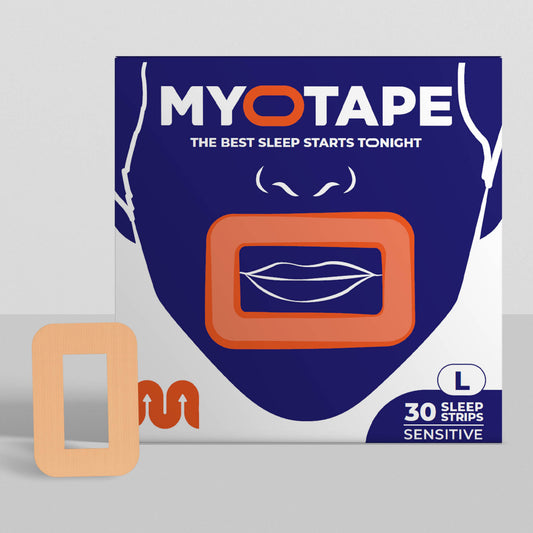
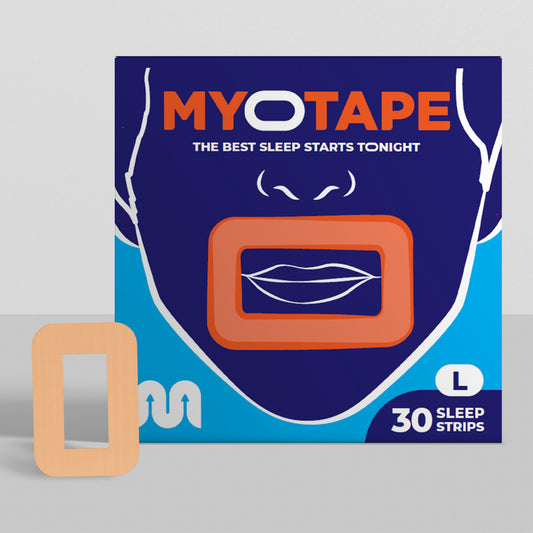
Products like MyoTape are made for this purpose. They gently bring your lips together without sealing your mouth completely. This way, you can still breathe if needed, but the tape encourages you to breathe nasally.
Mouth taping keeps your mouth closed, which tells your body to breathe through your nose. The tape serves as a gentle reminder, not a restriction. This can help with issues like dry mouth, snoring, and restless sleep.
Research supports this approach. A 2020 study examined lip taping as a way to assess nasal breathing. Most participants, including children who regularly breathed through their mouths, were able to breathe comfortably through their noses for at least three minutes with their lips taped.
Over 80 percent of children who mostly breathed through their mouths during the day passed the test. This suggests that nasal breathing is often possible, even if mouth breathing is a habit.
People use mouth tape for several reasons:
- To reduce mouth breathing during sleep
- To prevent dry mouth, sore throat, and morning breath
- To support calmer and more restful sleep
- To encourage better oral posture and jaw alignment
Nasal breathing offers clear benefits. The nose filters dust, allergens, and germs. It controls air temperature and humidity. It also improves oxygen use and supports nitric oxide production, which helps blood flow and immune function.

Common Signs You May Need Mouth Tape
A lot of people breathe through their mouths at night without knowing it. The signs usually show up in the morning or during the day. Here’s a list to help you see if mouth tape might be useful for you.
You may be mouth breathing during sleep if you:
- Wake up with a dry mouth or sore throat
- Snore or breathe loudly at night
- Drool while sleeping
- Have bad morning breath that returns quickly after brushing
- Feel tired, foggy, or irritable despite enough sleep
- Wake up with a hoarse or raspy voice
- Notice your mouth open while sleeping or resting.
Mouth breathing dries out saliva, which normally protects your teeth and throat. It can also lower your sleep quality by affecting the amount of oxygen you get.
If you notice any of these signs, it doesn’t mean something is wrong; it might just mean mouth breathing has become a habit. Mouth tape can help you notice this pattern and encourage nasal breathing. With time, you can start to see the signs that mouth taping is working.
Who Mouth Tape Is Best For (And Who Should Be Cautious)
Mouth taping can be helpful, but safety is most important. Make sure you know what to consider before trying mouth tape.
Mouth Tape May Be Right for You If:
- You think you breathe through your mouth while sleeping
- You often wake up with dry mouth or low energy
- You want to improve sleep in a natural way
- You are working on nasal breathing or myofunctional habits.
These points can help answer how do you know if mouth tape is right for you, especially when using a purpose‑made product like MyoTape.
Who Should Avoid Mouth Taping or Speak to a Professional First
You should avoid mouth tape or talk to a healthcare professional if:
- You have sleep apnea without medical approval
- You have asthma or other breathing disorders
- You have chronic nasal congestion, sinus problems, or a blocked nose
- You are prone to nausea, vomiting, or acid reflux
- You have consumed alcohol before sleep
- You experience anxiety, panic, or claustrophobia
- You have sensitive skin or allergies to adhesives.
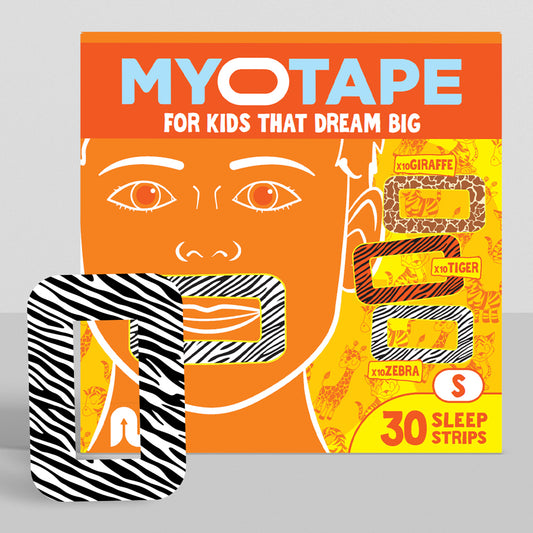
Children younger than four should never use mouth tape. Older kids should only use MyoTape for children, with a parent watching and with products made for kids.
MyoTape gently supports the lips without fully sealing the mouth. This allows natural mouth puffing if needed while still encouraging nasal breathing. This approach supports safer and more responsible use.
Take the Next Step with MyoTape
If mouth breathing is making it hard to sleep well, finding the right solution is important. Mouth taping works best when it’s safe, comfortable, and made to support breathing. MyoTape offers all of these benefits.
MyoTape was created by breathing expert Patrick McKeown. It gently holds your lips together without sealing them shut, so you can still breathe naturally while encouraging nasal breathing all night. The tape is gentle on skin, easy to use, and made for reliable results.
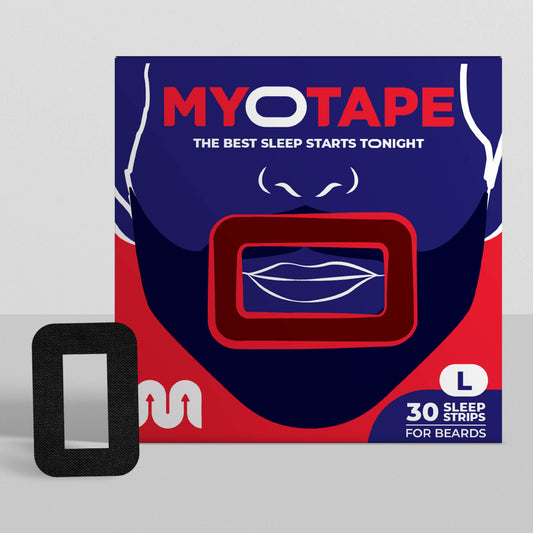
Visit the MyoTape online shop to find the right option for you, including mouth tape for kids, mouth tape for adults, mouth tape for sensitive skin, and mouth tape for beards.