Starting something new like mouth taping can feel uncomfortable at first. You may have seen videos online where people swear by it but still wonder how to get used to it. That hesitation is normal.
For most beginners, the biggest challenge is not whether it works but feeling comfortable enough to continue. Choosing the right tape and following simple steps can make the process easier.
You do not need to get it perfect from day one. This beginner-friendly 7-day guide to mouth taping will help you ease into this habit, so it feels simple, manageable, and easy to build into your nightly routine.
Why Mouth Taping is Gaining Attention
Mouth taping is becoming popular as people seek simple ways to improve sleep, reduce snoring, and wake up more refreshed.
Many of these issues are linked to mouth breathing at night, which leads to dry mouth, poor sleep quality, and disrupted breathing patterns. Encouraging nasal breathing can make a noticeable difference.
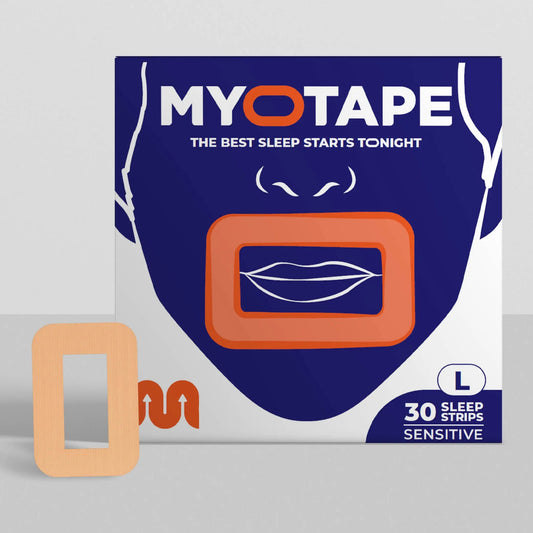
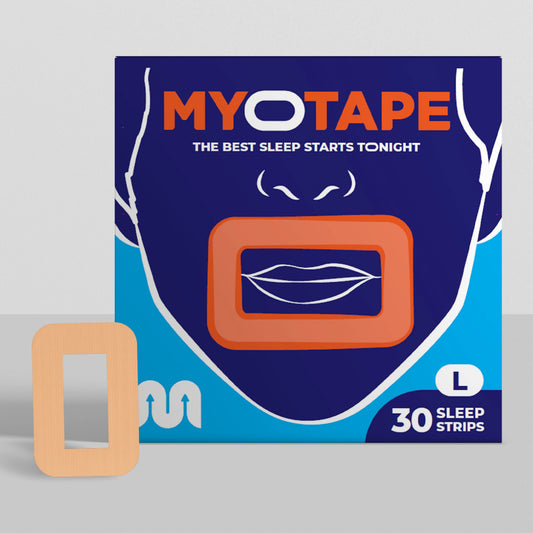
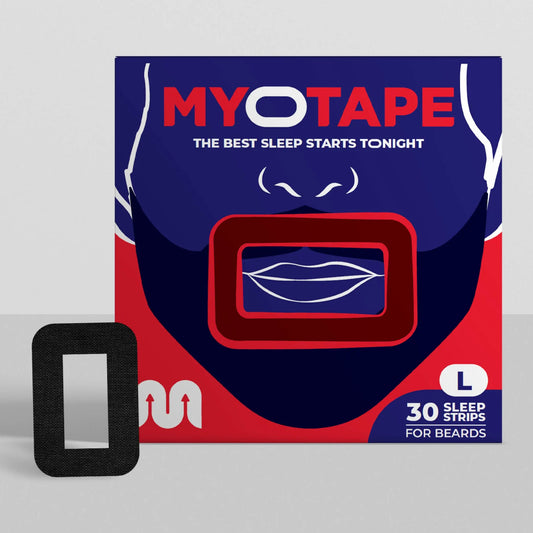
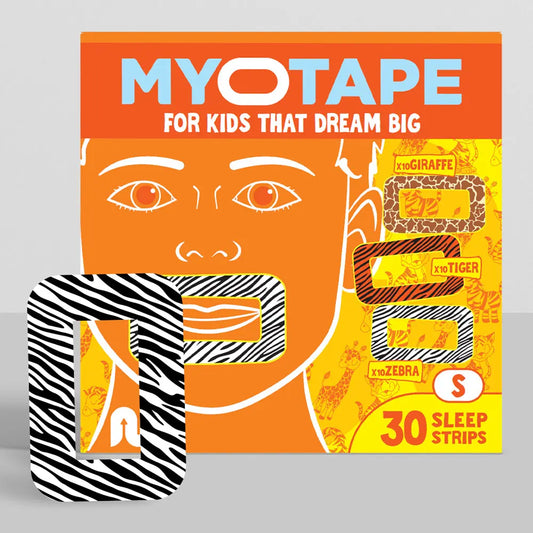
This is where mouth taping helps, keeping the lips together guides your body to breathe through the nose. Products like MyoTape sit around the lips instead of sealing them shut, making the experience less restrictive.
So, does mouth taping really work? For many people, it does. Nasal breathing filters air, improves oxygen uptake, and supports deeper sleep. Users often report less snoring, fewer nighttime awakenings, and better energy in the morning.
Starting with a comfortable option like MyoTape can help you build a lasting mouth taping habit and see real results. Here is your step-by-step guide to getting started with mouth taping as a beginner.
There are so many claims on the internet around what mouth taping does, so find out the common myths on mouth taping.
7-Day Guide to Mouth Taping for Beginners
Here are some practical tips to help you get started with mouth taping as a beginner:
Day 1: Get Used to the Feeling
Start by wearing the tape for 20 to 30 minutes while awake, such as when reading, working, or watching TV. This reduces pressure and helps you get used to the sensation in a relaxed setting. Focus on breathing gently through your nose and keeping your body relaxed.
If it feels uncomfortable or overwhelming, take it off. That is normal. The goal is to build familiarity, not force it. A flexible option like MyoTape makes this easier because it does not fully seal the mouth, allowing you to talk, sip water, or breathe through your mouth if needed.
Day 2: Extend Your Practice
Wear the tape again during the day, this time for 30 to 60 minutes. Try doing it while distracted so you are not constantly focusing on it. The less attention you give it, the more natural it will feel.
Pay attention to your breathing. It should feel easy and steady through your nose. If you feel strain, remove the tape and try again later. This gradual exposure helps your body and mind adapt without resistance.
Day 3: Introduce It Before Sleep
Wear the tape for 20 to 30 minutes before bed as part of your wind-down routine. This helps your body associate the feeling with sleep and makes the transition easier when you lie down.
When you go to bed, you can keep it on or take it off. There is no pressure to last the whole night yet. This step reduces anxiety and helps your body feel more comfortable with sleeping with the tape.

Day 4: First Full Night Attempt
Apply the tape before bed and aim to keep it on as long as you comfortably can. Even a few hours is progress, so avoid putting pressure on yourself to make it through the entire night.
Try breathing exercises from the Buteyko Method, like the nose-unblocking exercise, to help ease discomfort and support your breathing.
If you wake up feeling uncomfortable, simply remove it and go back to sleep. A design like MyoTape, which gently brings the lips together instead of sealing them shut, makes this step feel less restrictive and easier to tolerate.
Day 5: Build Consistency
Now aim to wear the tape for most of the night. By this point, the sensation should feel more familiar, making it easier to fall asleep and stay asleep while wearing it.
If it helps, apply the tape 20 minutes before bed to ease into it. Consistency is key. The more regularly you use it, the faster your body adapts to nasal breathing during sleep.
Day 6: Notice the Changes
Start paying attention to how you feel when you wake up. You may notice less dry mouth, reduced snoring, or a more refreshed feeling overall. These are common early signs that mouth taping is starting to work.
If something feels slightly off, make small adjustments instead of stopping completely. Comfort should always come first. Using a gentle option like MyoTape can help you stay consistent while fine-tuning your routine.
Day 7: Make It a Habit
By now, mouth taping should feel more natural and less unfamiliar. Aim to wear it throughout the night and treat it as part of your regular sleep routine.
At this stage, it becomes about maintaining the habit. With a comfortable, flexible option like MyoTape, mouth taping can be a simple, long-term way to support better breathing and improve your sleep quality.
Start Your Journey Now with MyoTape
You have now spent a week getting used to mouth taping, and by this point, comfort and consistency are everything. The difference between giving up and sticking with it often comes down to how easy and natural it feels each night.
That is where MyoTape stands apart. Unlike traditional tapes that seal your mouth shut, MyoTape gently supports your lips, making it far more comfortable, less restrictive, and easier to use from day one. It is designed specifically to help beginners succeed without the stress or discomfort.
If you are ready to take the next step, MyoTape gives you the simplest, most comfortable way to turn mouth taping into a long-term habit and start seeing real improvements in your sleep.
Visit the MyoTape online shop to find the right option for you, including mouth tape for kids, adults, sensitive skin, and beards.