Are you breathing the way your body is designed, or relying on habits that work against you? Waking with a dry mouth, feeling tired despite a full night’s sleep, or breathing through your mouth can be signs of poor breathing habits that affect your sleep, energy, and recovery.
With World Breathing Day highlighting the importance of healthy breathing, more people are paying attention to their breathing and seeking simple ways to improve it.
One method that is gaining attention is mouth taping, which encourages nasal breathing during sleep. But can mouth taping actually improve breathing? This article explores how mouth taping can help fix your breathing.
What Is Poor Breathing?

Poor breathing, also known as dysfunctional breathing, occurs when slow, natural nasal breathing is replaced by less efficient habits. This can develop gradually due to stress, poor posture, illness, or anxiety.
Instead of slow, steady breathing through the nose, poor breathing habits often look like:
- Breathing through the mouth
- Fast or heavy breathing
- Shallow breathing using the upper chest
- Irregular breathing, with frequent sighing or yawning
Common signs include dry mouth, feeling short of breath, or not being able to take a satisfying breath. Many people also default to mouth breathing during sleep, which is why discussions around mouth breathing and taping are becoming more common.
These poor breathing patterns can keep the body in a low-level state of stress, affecting sleep, energy, and overall health.
The good news is that breathing habits can be retrained, which is why many people explore whether mouth taping can fix mouth breathing and support better breathing patterns. But what does mouth taping do?
What Does Mouth Taping Do?

Mouth taping gently encourages your lips to stay together during sleep, helping your body shift from mouth breathing to nasal breathing.
It does not seal your mouth shut or force you to breathe through your nose. Instead, it works as a light physical cue. When the mouth is closed, the body naturally uses the nose, as breathing is designed to work that way.
This is why mouth taping is effective. It removes the habitual tendency to mouth breathe and lets your body return to a more natural pattern without effort.
For many, mouth breathing continues even when the nose is clear. It becomes a learned habit over time. Mouth taping helps interrupt that habit and raise awareness of how you breathe.
A 2020 study found that over 80% of habitual mouth breathers could breathe comfortably through their nose when their mouths were taped. This suggests that in many cases, the issue is not the airway, but the pattern.
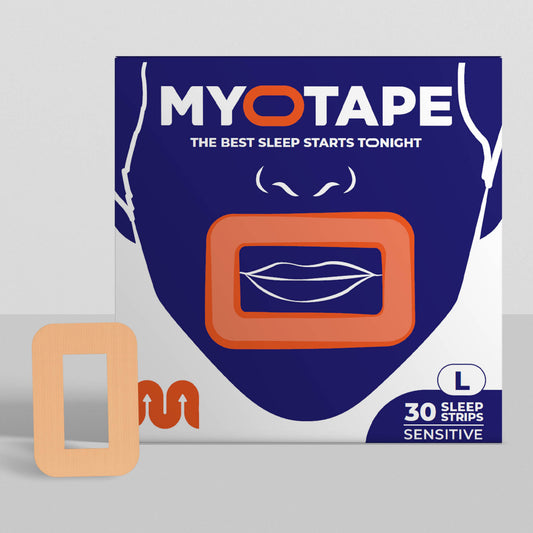
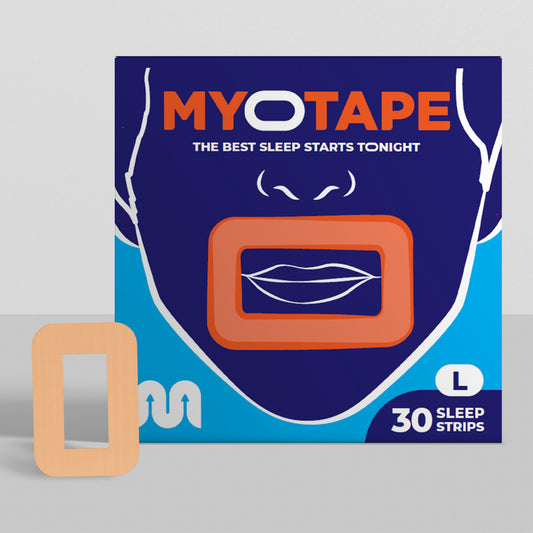
For a more comfortable approach, MyoTape is designed to sit around the lips rather than across them. It uses gentle elastic tension to guide the lips closed while still allowing movement, making mouth taping for breathing easier and less restrictive.
There are so many claims on the internet around what mouth taping does, so find out the common myths on mouth taping.
How Mouth Taping Improves Your Breathing
Mouth taping improves breathing by helping your body return to nasal breathing as the default. This creates more stable, efficient breathing patterns, especially during sleep when habits are harder to control.
1. Trains you to breathe through your nose
Mouth breathing is often a long-standing habit. Keeping the lips together encourages the body to use the nose instead.
With repeated use, this begins to retrain your breathing pattern. Nasal breathing becomes more natural, even during the day. This is why many people notice that mouth taping improves nasal breathing over time.
2. Stops mouth breathing during sleep
Mouth breathing commonly happens during sleep without awareness. This can lead to dry mouth, snoring, poor sleep quality, and disrupted breathing patterns.
Mouth taping helps keep the mouth closed, reducing mouth breathing at night and can stop snoring. If you snore at night, using Myotape can serve as part of your anti-snoring bedtime routine.
This supports more consistent, controlled breathing, which can improve how rested you feel.
3. Improves breathing efficiency
Nasal breathing is slower and more controlled than mouth breathing. It helps regulate airflow and maintain a better balance of oxygen and carbon dioxide in the body.
The nose also filters, warms, and humidifies the air, while producing nitric oxide, which supports circulation and respiratory function.
These combined effects explain why many people find that mouth taping improves breathing, leading to better sleep, more energy, and improved recovery.
Can Mouth Taping Stop Mouth Breathing?
Mouth taping can help stop mouth breathing, but it is best understood as a training tool rather than a permanent fix on its own.
Studies show that many people who mouth-breathe can still breathe through their nose when the mouth is gently closed. The issue is often habitual, not structural.
So, in many cases, yes, mouth taping stops mouth breathing by breaking the habitual pattern and allowing nasal breathing to become the default again over time. However, this change does not happen instantly because breathing habits take time to retrain.
What mouth taping does
- Helps break the habit of mouth breathing
- Encourages consistent nasal breathing during sleep
- Supports long-term retraining of breathing patterns
- Improves awareness of how you breathe
What mouth taping doesn’t do
- Does not fix structural issues like enlarged adenoids or tonsils that cause severe nasal obstruction
- Does not replace medical treatment for conditions like sleep apnea
- Does not create permanent change without regular use
With consistent use, tools like MyoTape make retraining breathing habits easier. Over time, nasal breathing becomes more natural, reducing the need for external support.
The goal is not dependence on the tape but restoring the way your body is meant to breathe.
Start Improving Your Breathing with MyoTape
Fixing your breathing starts with one simple change: keeping your mouth closed and letting your body return to nasal breathing. With consistent use, mouth taping improves your breathing, reduces mouth breathing at night, and supports better sleep and energy.
MyoTape, developed by world-renowned breathing expert Patrick McKeown, is designed specifically for this purpose. Unlike traditional tapes, it sits around the lips and uses gentle elastic tension to support natural closure, making it safer, more comfortable, and easier to use every night.
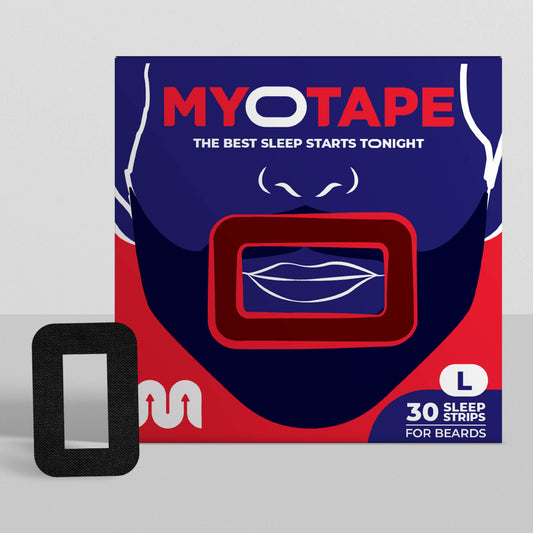
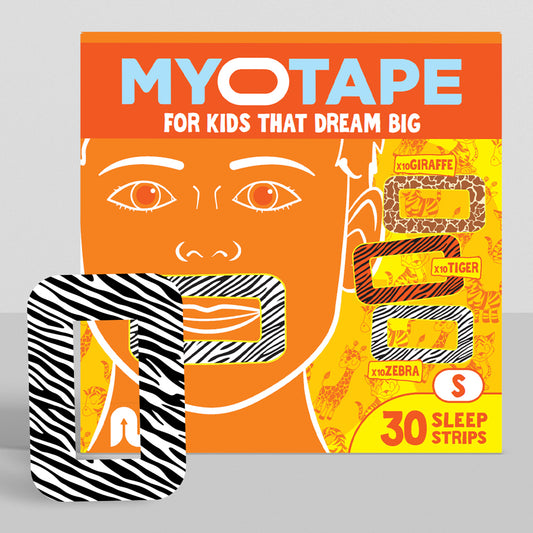
If you’re serious about fixing your breathing, MyoTape gives you the simplest way to start. Visit our online store today to find the perfect MyoTape for you. We have mouth tape for kids, adults, those with sensitive skin, and even those with facial hair.