What if you get enough sleep but still don’t feel rested? If your nights feel interrupted or you wake up often, you may be dealing with sleep fragmentation. It can leave you feeling like your body never fully switches off, no matter how long you stay in bed.
Sleep fragmentation happens when your sleep is repeatedly interrupted, sometimes without you realizing it. You may not remember waking up, but still feel tired, foggy, or low on energy the next day. It can be frustrating, especially when you feel like you’re doing everything right.
The good news is that it can often be improved. In this guide, we explain what causes fragmented sleep and share simple, natural ways to help you sleep more deeply and wake up feeling rested.
What Is Sleep Fragmentation?
Sleep fragmentation is when your sleep is repeatedly interrupted throughout the night. In simple terms, it is broken sleep, where you move in and out of sleep rather than staying in deeper stages.
When your sleep is fragmented, it becomes broken instead of continuous. You may not fully wake or remember these brief arousals, but your brain does. Each time it happens, your body is pulled out of deeper sleep stages and forced to restart the cycle.
Instead of moving smoothly from light sleep into deep and REM sleep, the process keeps getting disrupted. Over time, this lowers sleep quality even if you sleep for hours.
Why Fragmented Sleep Is a Problem
Fragmented sleep affects how well your body recovers, even if you spend enough hours in bed. Repeated interruptions prevent you from reaching deep and REM sleep, which are essential for repair, energy, and overall balance.
The effects of sleep fragmentation can include:
- Feeling tired even after a full night in bed
- Low energy and poor focus during the day
- Reduced physical and mental recovery
- Increased stress on the body
So yes, fragmented sleep can be bad, especially when it happens regularly. As a result, you may wake up feeling tired and not fully restored despite a full night of sleep.

What Causes Sleep Fragmentation
Sleep fragmentation is often linked to breathing, lifestyle, and how easily you wake up.
Common causes of sleep fragmentation include:
- Sleep-disordered breathing: Conditions like obstructive sleep apnea can cause repeated airway collapse, leading to brief awakenings, even if you don’t notice.
- Mouth breathing during sleep: Breathing through the mouth increases airway instability, causes dryness, and worsens sleep. It can also reduce the effectiveness of treatments like CPAP.
- Upper airway resistance (UARS): Even slight narrowing of the airway can make breathing harder, triggering frequent micro-awakenings and fragmented sleep.
- Alcohol consumption: Alcohol may help you fall asleep faster, but it increases awakenings later in the night and reduces deep sleep.
- Nasal congestion: Blocked nasal passages make breathing more difficult, increasing the risk of sleep disruption.
- Stress and low arousal threshold: Some people wake up easily from small changes in breathing, noise, or movement.
- Age: As we age, sleep tends to become lighter and more fragmented.
Many of these causes of fragmented sleep come back to one key issue: unstable or inefficient breathing during sleep.
Common Symptoms of Fragmented Sleep
Symptoms of sleep fragmentation aren't always obvious, but they affect how you feel.
Common signs include:
- Waking up often during the night
- Feeling tired even after enough sleep
- Brain fog and poor concentration
- Low energy during the day
- Needing naps to get through the day
- Feeling like you are not getting deep sleep
This happens because fragmented deep sleep and fragmented REM sleep reduce the body’s ability to recover. Even if you don’t remember waking up, your sleep cycles are being disrupted.
Sleep Fragmentation vs Sleep Deprivation
The difference between sleep fragmentation and deprivation is quality versus quantity.
Sleep deprivation means you are not getting enough hours of sleep.
Sleep fragmentation means you may be getting enough time in bed, but your sleep is broken and not restorative. With sleep fragmentation, the issue is often staying asleep, not just falling asleep.
How to Improve Fragmented Sleep Naturally
Improving fragmented sleep comes down to reducing disruptions, improving your sleep hygiene, and supporting steady breathing during the night. Here are some ways to fix fragmented sleep:
1. Prioritize nasal breathing (and keep the mouth closed)
Nasal breathing supports a stable airway and helps you stay in deeper sleep for longer. Mouth breathing increases airway resistance, dryness, and the likelihood of waking during the night.
An open mouth during sleep leads to inefficient airflow and subtle breathing disturbances. These can trigger repeated micro-awakenings and prevent consistent deep and REM sleep.
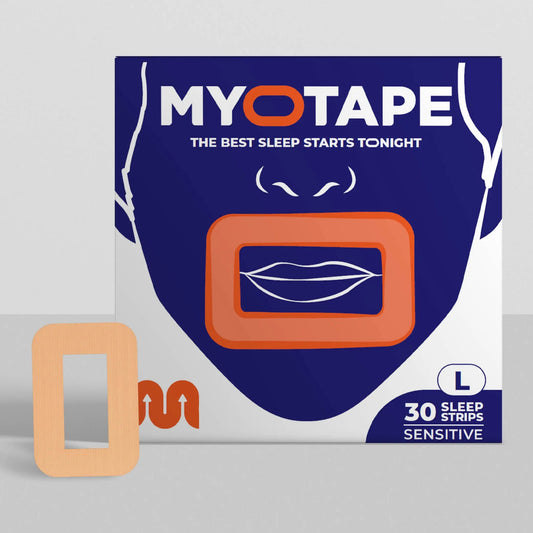
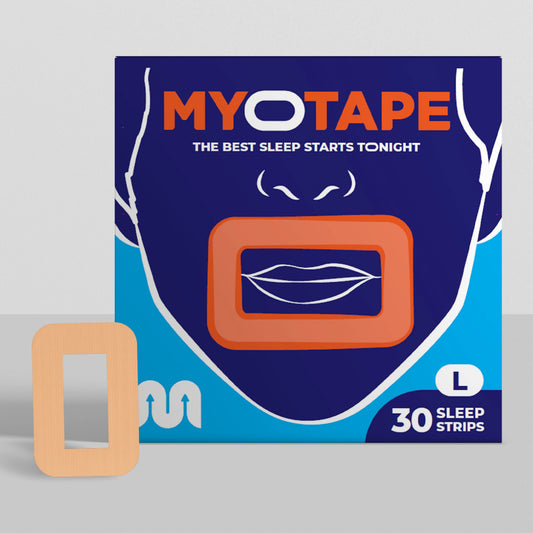
Encouraging the lips to stay closed can make a significant difference, which is why MyoTape gently supports the lips together without sealing the mouth, making nasal breathing easier and more natural.
This helps reduce sleep disruptions, improve sleep quality, and support deeper, more stable sleep.
2. Improve your sleep environment
Your sleep environment affects how easily your sleep is disrupted. Light, noise, and temperature can all trigger awakenings, even if you are not aware of them.
A dark, quiet, and cool room supports more stable sleep. Even small disturbances can pull you out of deeper sleep stages and reduce sleep quality.
Keep your sleep space consistent. Reduce light and noise, and maintain regular sleep and wake times to support uninterrupted sleep. This will boost your sleep performance and efficiency.
3. Limit alcohol in the evening
Alcohol may help you fall asleep faster, but it increases awakenings later in the night and reduces deep sleep.
Reducing or avoiding alcohol in the evening can improve sleep continuity, consistency, and reduce fragmentation.
4. Support clear nasal airways
Blocked nasal passages make smooth breathing more difficult and increase the chance of switching to mouth breathing during sleep.
Clear nasal airflow supports stable breathing and reduces nighttime disturbances.
Address congestion by trying simple breathing exercises, such as the nose-unblocking exercise, and consider nasal strips if needed to maintain airflow. Buy the MyoTape nose strips here.
5. Calm your nervous system before bed
An overactive nervous system makes you more sensitive to small disturbances during the night. This can lead to frequent awakenings and lighter, more fragmented sleep.
Creating a simple wind-down routine helps your body shift into a calmer state before sleep. Reducing screen time, dimming lights and keeping a consistent bedtime support this transition.
Slow, controlled breathing is especially effective. Techniques that focus on gentle nasal breathing and reduced breathing volume, such as the Buteyko breathing exercises, can help calm the body and make sleep more stable.
When your breathing and nervous system are more balanced, it becomes easier to stay asleep and reach deeper stages of rest.
6. Address underlying issues
Fragmented sleep is often linked to breathing-related issues such as obstructive sleep apnea or upper airway resistance.
These conditions cause repeated interruptions in breathing, leading to frequent awakenings and poor sleep quality.
If sleep remains disrupted, professional support can identify and treat the underlying cause. These steps can help reduce sleep fragmentation and improve sleep quality.
Stop Getting Fragmented Sleep with MyoTape Now
Fragmented sleep is often caused by unstable breathing during the night. Mouth breathing can cause repeated awakenings, reduced deep and REM sleep, and waking up feeling unrefreshed even after enough hours in bed.
MyoTape directly targets this by gently supporting your lips to stay closed, helping you breathe through your nose all night. Created by breathing expert Patrick McKeown, it works with your natural physiology to reduce sleep disruption, improve airway stability, and support deeper, more continuous sleep without discomfort.
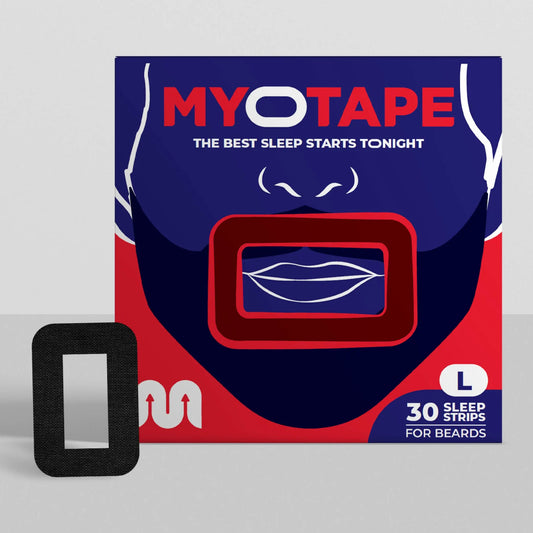
If you want a simple, effective way to stop fragmented sleep and improve how you feel each morning, MyoTape is a practical solution. Order today from the MyoTape online shop and select from a variety of options designed for everyone, including mouth tape for kids, mouth tape for adults, mouth tape for sensitive skin, and mouth tape for beards.