Your sleep position might seem like a small detail, but it can have a bigger impact on sleep quality than most people expect. The way you lie in bed, whether on your back, side, or stomach, can influence how your body functions throughout the night.
Most people pay attention to how long they sleep or their bedtime habits, but often forget that sleep position affects breathing and comfort. Sometimes, sleeping in the wrong position can lead to snoring or restless nights.
This article explores how sleep position affects sleep quality, impacts the body, which positions are more likely to cause snoring, and which ones may help you rest more comfortably.
How Sleep Position Affects the Body
Sleep position affects more than just comfort. It changes how your body works at night, especially your breathing, alignment, and recovery.
Understanding this helps explain why some positions lead to better sleep while others can get in the way.
One of the main factors is airway mechanics, especially how gravity affects the tongue and soft tissues in the throat once you lie down.
When you sleep on your back, these tissues can move backward, making the airway smaller. This makes breathing less efficient and more likely to be disrupted.
Spinal alignment also plays an important role, as your body's position affects how well your neck, shoulders, and lower back are supported.
When alignment is off, even slightly, it can create tension that leads to small movements throughout the night, making it harder to stay in deeper stages of sleep.
Breathing efficiency is closely linked to sleep position, as the way you lie can either support nasal breathing or encourage mouth breathing.
For instance, back sleeping often allows the jaw to drop open, increasing mouth breathing, while side sleeping helps maintain better airway stability.
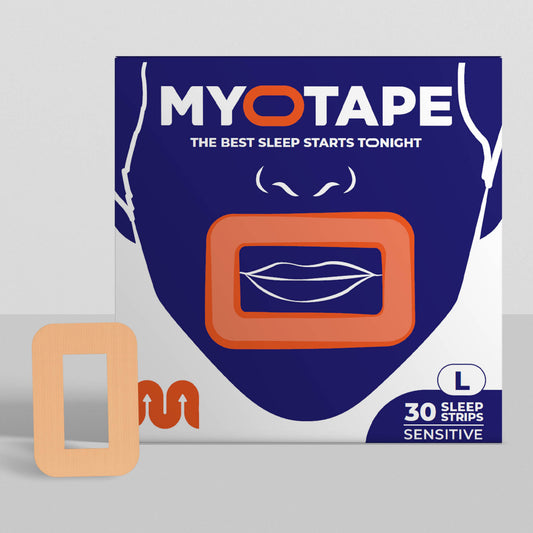
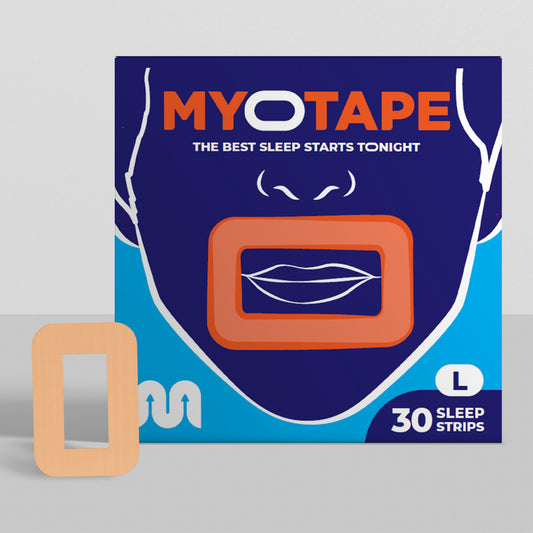
Nasal breathing helps you breathe more smoothly and keeps your airway steady. The best sleep position is one that supports good alignment and lets you breathe through your nose. A support tool like MyoTape can help you prevent mouth breathing and sleep without snoring.

What Sleep Position Causes Snoring
Sleep position is a common cause of snoring, along with things like breathing habits and airway shape. Sleeping on your back usually has the biggest impact.
Studies show that how you sleep affects your breathing at night. Lying on your back lets your tongue and jaw fall backward, which narrows your airway and makes snoring more likely.
In one study of 574 people with sleep apnea, participants experienced at least twice as many breathing disruptions when sleeping on their backs as when sleeping on their sides.
A larger study of 2,077 patients found that nearly 54% had at least twice as many breathing issues in the back-sleeping position. These findings show how strongly sleep position can affect breathing and overall sleep quality.
When you sleep on your back, gravity pulls your tongue and soft palate toward your throat, making the airway smaller. This makes it harder for air to pass through, causing vibrations that lead to snoring.
Sleeping on your back also makes it easier for the jaw to drop open during the night, increasing the likelihood of mouth breathing. This further reduces airway stability and can make snoring more frequent or more noticeable.
- Mouth breathing during sleep, which reduces airway stability
- Nasal congestion or blockage that restricts airflow
- Narrow or restricted airway due to soft tissues
- Heavy or fast breathing that increases turbulence
- Poor tongue posture that allows the airway to collapse
- Lifestyle factors like alcohol, smoking, or excess weight.
Still, sleep position is one of the easiest things you can change, and sleeping on your back is the most common cause of snoring.
Best Sleep Positions to Reduce or Stop Snoring
Adjusting your sleep position is one of the simplest ways to improve breathing during the night. The goal is to keep the airway open, reduce resistance, and allow air to move more freely.
Sleeping on your side is widely considered the most effective position for reducing snoring. It helps prevent the tongue from falling backward, keeps the airway more open, and supports a more stable jaw position.
This reduces the likelihood of mouth breathing and improves overall airflow, making it one of the best sleep positions to stop snoring.
To make side sleeping more comfortable and easier to maintain:
- Use a supportive pillow to keep your head and neck aligned.
- Place a pillow between your knees to support your hips and lower back.
- Consider a body pillow to prevent rolling onto your back.
Slightly elevating the head can also help improve airflow. A small elevation reduces pressure on the airway and can make breathing easier, especially with mild congestion.
At the same time, position alone is not always enough. Breathing habits play a major role in whether snoring occurs. Even in a good position, mouth breathing can still lead to airway instability and increased turbulence.
Nasal breathing helps regulate airflow and keeps the airway more stable, while mouth breathing tends to increase dryness and make the airway more prone to narrowing.
This is where MyoTape can be useful, as it gently encourages the lips to stay closed and supports nasal breathing during sleep.
When combined with side sleeping, it helps reinforce a more stable breathing pattern and reduces the factors that contribute to snoring.
In practice, the best sleeping position without snoring is not just about posture alone, but about combining a side-sleeping position with consistent nasal breathing support.
What Position Helps You Sleep Better Overall
Good sleep depends on comfort and breathing. The best sleep position helps you relax and keeps your airway steady all night.
For most people, sleeping on your side is the best choice. It keeps your airway open, lowers the chance of snoring, and helps you stay comfortable for longer. That’s why it’s often the best way to sleep better.
Sleeping on your back can help your spine, but it also makes your airway more likely to narrow. This can make breathing less steady and affect your sleep, especially if you snore.
Sleeping on your stomach might help with snoring sometimes, but it can strain your neck and lower back. Over time, this can make you uncomfortable and wake you up at night.
A simple way to think about it:
- Side sleeping supports both breathing and comfort.
- Back sleeping supports alignment but may affect airflow.
- Stomach sleeping may reduce snoring, but it can strain the body.
The best sleep position is one that lets you breathe easily and keeps your body supported. When you have both, your sleep is deeper and more restful.
Support Your Sleep Position with Better Breathing
Your sleep position can help you sleep better, but it works best when you also breathe well. Sleeping on your side keeps your airway open and lowers the chance of snoring, but mouth breathing can still get in the way.
Breathing through your nose is key for steady airflow and a stable airway all night. MyoTape helps by gently keeping your lips closed, so you can keep breathing through your nose naturally.
When you use MyoTape with the right sleep position, it makes these changes even more effective. It can help you snore less, breathe better, and get deeper, more restful sleep in a simple way.
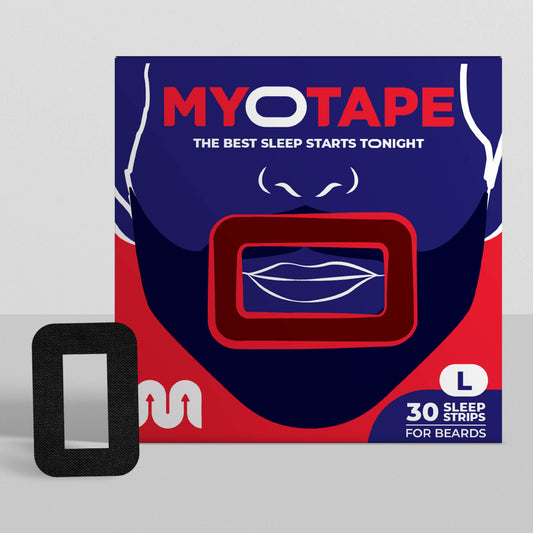
We offer mouth tape for kids, mouth tape for adults, mouth tape for sensitive skin, and mouth tape for beards. Visit the MyoTape online shop to get one now!