The start of a new year is a natural time to reset habits, and sleep is one of the most important ones to get right.
Many people want better sleep, but aim too big or too vague, which makes it hard to stay consistent.
Real change comes from small, realistic goals that fit into everyday life. That is where smart goals for improving sleep make a difference.
This article gives you seven simple sleep goals you can actually stick to, helping you build better sleep night after night throughout the year.
1. Breathe through your nose while you sleep
If you want to improve your sleep, start by paying attention to your breathing. Your mode of breathing affects oxygen delivery, nervous system activity, and how deeply you sleep.
Nasal breathing slows the breath, supports diaphragm movement, and helps the body relax. Breathing through the nose makes it easier to enter deep and REM sleep. These stages are where physical recovery, memory, and emotional balance happen.
Mouth breathing, on the other hand, often leads to lighter, more fragmented sleep and is closely linked to snoring and dry mouth. For many people, this becomes one of the most important core sleep goals.
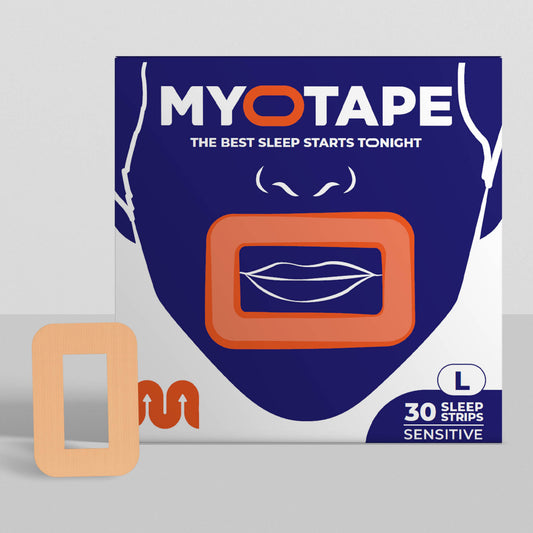
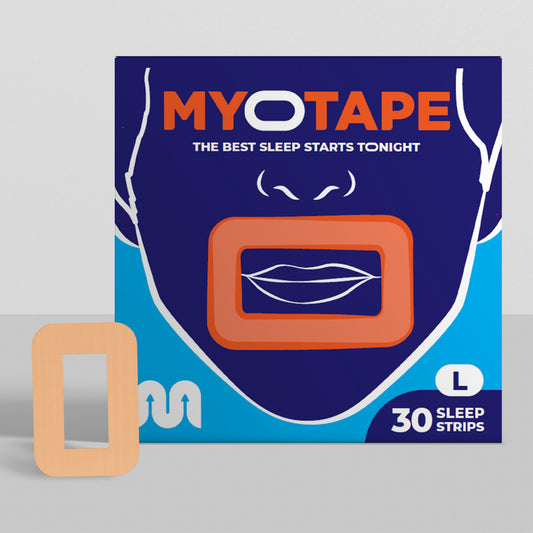
A sleep aid like MyoTape can help you achieve that goal. MyoTape gently supports nasal breathing by keeping the lips together without covering the mouth. When the mouth stays closed, breathing shifts to the nose and mouth snoring stops. This makes MyoTape a practical tool for people setting smart sleep goals that focus on real sleep quality, not just time in bed.
2. Go to bed at a consistent time
Your body works on a clock, and that clock depends on regularity. Going to bed at the same time most nights helps regulate melatonin and reduces the effort it takes to fall asleep. This is one of the most effective goals for sleep management.
You don’t need to aim for the “perfect” bedtime. What matters is sleep consistency. Even a regular 30-to-60-minute window supports healthier sleep patterns and helps your body know when it’s time to wind down.
Over time, this habit supports good sleep goals and builds a strong foundation for long‑term sleep health. A measurable sleep goal you can set is to be in bed by 10:30 p.m. at least six nights per week.
3. Get quality sleep, not just more sleep
Many people set goals to get more sleep, but more hours alone do not guarantee better rest. Sleep quality matters just as much. Realistic sleep goals focus on how refreshed you feel, not just what the clock says.
Different sleep stages serve different functions. Deep sleep supports physical repair, while REM sleep supports learning, mood, and focus. If sleep is shallow or frequently disrupted, these stages are affected, even if total sleep time appears adequate.
Smarter goals for getting more sleep focus on improving sleep performance and continuity. This approach leads to better energy and clearer thinking during the day.

4. Fall asleep faster
If it takes a long time to fall asleep, nights can quickly become frustrating. Setting short‑term sleep goals helps shift the focus from worrying about sleep to improving it step by step.
Calming routines matter. Dimming lights, slowing your breathing, and reducing evening stimulation help lower cortisol and prepare the body for rest. Nasal breathing plays an important role here by helping calm the nervous system.
5. Wake up at the same time each morning
A consistent wake‑up time is one of the most powerful ways to improve sleep. Even after a poor night, getting up at the same time helps reset your internal clock and improves sleep the following night.
Morning light strengthens this effect. Just a few minutes of natural daylight after waking helps regulate the sleep‑wake cycle and supports better sleep timing overall.
This is a practical sleep and rest goal that works even when nights aren’t perfect. Consistency builds results.
6. Create a sleep‑friendly bedroom
Your bedroom should support sleep, not compete with it. Dark, quiet, and cool spaces make it easier to fall asleep and stay asleep. These changes remove barriers rather than adding effort.
Air quality is also important. Clean, well‑humidified air supports nasal breathing and reduces irritation that can lead to mouth breathing during the night.
Creating a supportive sleep environment is one of the simplest ways to improve sleep without changing your schedule. It can also help you avoid sleep divorce.
7. Support your sleep with better daytime habits
Good sleep starts during the day. Regular movement helps the body build sleep pressure, while morning daylight strengthens the circadian rhythm. These habits support long‑term sleep success.
Caffeine timing matters. Keeping intake earlier in the day protects sleep drive at night. Limiting alcohol and screen time before bed also helps preserve deep sleep.
These habits are especially important for families. When adults model healthy routines and set simple sleep goals for kids, everyone benefits from better sleep and more predictable nights.
MyoTape Will Help You Achieve Your Sleep Goals
Setting sleep goals is easy. Sticking to them is the hard part. The difference between intention and results often comes down to one thing: consistency during the hours you are not conscious.
Nasal breathing supports deeper, longer sleep and reduces disruptions like snoring and dry mouth. Mouth breathing works against every sleep goal in this article.
MyoTape solves this by gently supporting nasal breathing throughout the night when habits matter most. Created by breathing expert Patrick McKeown, MyoTape turns a sleep goal into a nightly action. Add it to your routine and start making real progress toward better sleep.
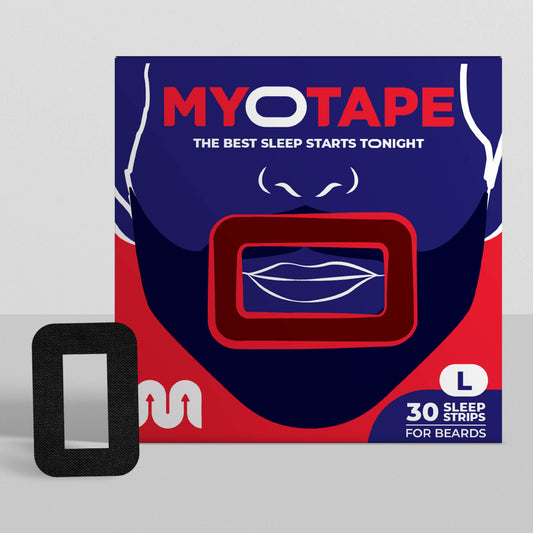
Order today from the MyoTape online shop and select from a variety of options designed for everyone, including mouth tape for kids, mouth tape for adults, mouth tape for sensitive skin, and mouth tape for beards.