World Menopause Day is an opportunity to talk about the changes women go through in midlife. The usual suspects are hot flashes, night sweats, and mood swings. One symptom rarely mentioned is snoring.
If you've started snoring during menopause, you don't have to face it on your own. Hormonal changes can affect your breathing at night, which may cause louder snoring, broken sleep, and waking up tired.
This World Menopause Day, let's talk about snoring during menopause. In this article, you'll find out why it happens and learn five easy ways to sleep more quietly.
Why Does Menopause Cause Snoring?
Several changes during menopause affect how you breathe while you sleep:
- Lower progesterone: Progesterone helps keep your upper airway muscles toned. As it falls, your throat softens and is more likely to narrow during sleep.
- Weight shifting upward: Weight often shifts to the neck, tongue, and belly, narrowing the airway and pressing on the diaphragm.
- Mouth breathing at night: When your mouth falls open during sleep, your jaw drops and your tongue slides back, narrowing your throat so air vibrates the soft tissues as it passes.
- An early start: These changes can begin in perimenopause and often become more noticeable after menopause.
- Overlapping night symptoms: Hot flashes can wake you suddenly, and a relaxed airway makes snoring more likely once you fall back asleep.
Menopause and Sleep Apnea: Signs to Watch For
Sleep apnea becomes about 200% more common after menopause, so it's worth knowing the warning signs:
- Loud mouth or nose snoring on most nights
- Choking, gasping, or pauses in breathing that a partner notices
- Waking with a dry mouth, sore throat, or headache
- Feeling exhausted during the day despite a full night in bed
Night sweats are also about three times more common in people with untreated sleep apnea. If these signs sound familiar, speak to your doctor or a sleep specialist, as home habits shouldn't replace proper medical care.
How to Stop Snoring During Menopause: 5 Ways to Sleep Quietly Again
These simple, drug-free tips focus on your breathing, which is often the key to reducing snoring naturally.
1. Practice slow, light breathing before bed
Fast, heavy breathing moves air quickly through your nose and throat, which can make snoring worse. Before bed, spend 10 minutes sitting quietly with your mouth closed. Breathe gently through your nose, taking smaller breaths than usual and letting each breath out slowly and calmly.
This calming routine may also help with hot flashes. One small study found that women who practiced slow, steady breathing had fewer hot flashes, though more research is needed.
For step-by-step guidance, try the Buteyko Breathing for Menopause Relief course and use the code MENOPAUSE10 at checkout to get a discount.
2. Support gentle daily sleep habits
Menopause often causes weight to shift toward the neck and belly, so even small changes can affect how open your airway is at night.
Regular exercise, healthy meals, and lighter dinners eaten a few hours before bed can all help you get quality sleep at night.
Cutting back on alcohol in the evening can also help, since it relaxes your throat muscles and may make snoring worse. Together, these habits can help you get not just longer sleep, but deeper sleep.
3. Sleep on your side
When you sleep on your back, gravity pulls your jaw, tongue, and throat tissues into your airway, making your mouth more likely to fall open. Sleeping on your side helps keep your jaw forward and your airway open.
To help you stay on your side, try hugging a body pillow and putting another pillow between your knees. This simple change may help reduce your snoring.
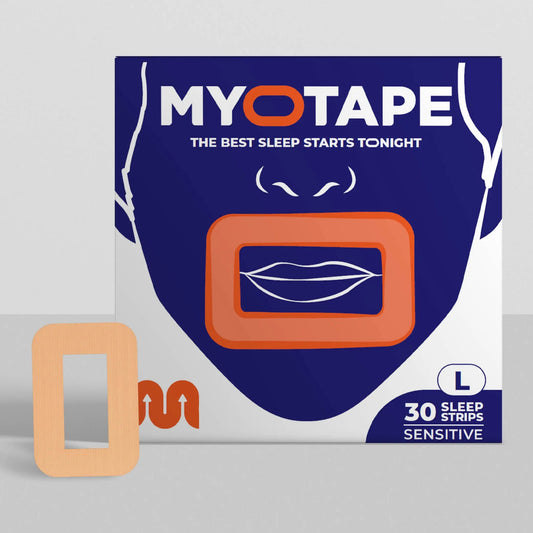
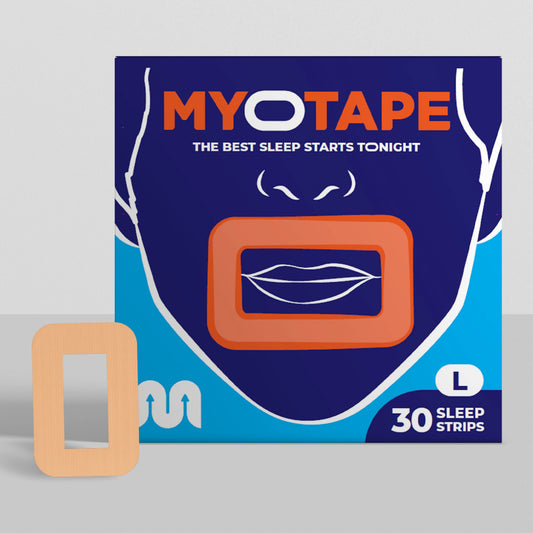
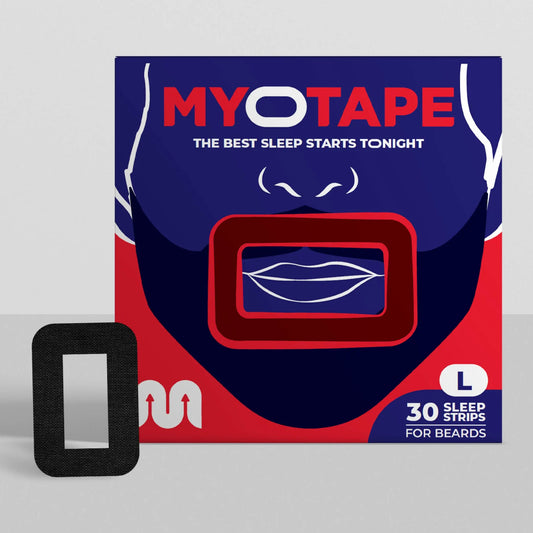
4. Support nasal breathing overnight with MyoTape

Mouth breathing during sleep takes about two and a half times more effort than breathing through your nose, and it can dry out your mouth and throat. Using a gentle mouth tape can help keep your lips closed and encourage you to breathe through your nose.
MyoTape is made from soft, stretchy cotton that goes around your lips instead of covering them, so it encourages nasal breathing without sealing your mouth. If your skin is more sensitive after menopause, try the sensitive skin option for a gentler feel.
MyoTape can help support healthy breathing habits, but it is not a cure for snoring or a treatment for sleep apnea. Don't use it if your nose is blocked or you feel unwell, and talk to your doctor before using it if you use a CPAP machine.
5. Clear your nose for easier airflow
A blocked nose can make you breathe through your mouth. If you have mild stuffiness, breathe in and out through your nose, gently pinch it closed, and nod your head until you feel a moderate need for air.
Then let go and breathe calmly. Keep this exercise gentle, and check with your doctor first if you have high blood pressure, a heart condition, or any other medical concern.
If your nose feels blocked at night, nasal strips can gently open your nostrils. Using them with MyoTape can give you the best chance for quiet, restful sleep.
Sleep Quietly Again During Menopause
Snoring during menopause is common, and it's not something you caused. Hormonal changes, weight shifts, and mouth breathing all play a role, but you can start taking simple steps tonight to breathe and sleep better.