Did you know that your child's sleep might be affected by one simple thing: how they breathe at night? While most parents focus on bedtime routines and screen time limits, the way your child breathes could be the real secret to better sleep, improved mood, and higher energy.
Mouth breathing, snoring, and restless sleep happen more often in children than most people realize. Over time, these habits can make it harder for kids to sleep well and wake up refreshed.
The good news is that simple bedtime breathing habits can help support calmer nights and better sleep for your children. In this article, you will find out some practical ways to encourage healthier breathing for kids at bedtime.
Why Kids May Have Trouble Breathing at Night
Parents often notice their child sleeping with their mouth open, snoring, or moving around a lot at night, but may not know what these signs mean. These habits are not harmless and often show that your child’s breathing needs attention.
Poor breathing during sleep in kids is more common than most parents realize, and the causes vary:
- Nasal congestion from allergies, colds, or chronic stuffiness that makes nose breathing feel impossible
- Enlarged tonsils or adenoids that partially block the airway, forcing the mouth to take over
- Habitual mouth breathing that started during an illness and never stopped
- Stress and anxiety keep the body in a state of alertness, making it hard to breathe slowly and settle into sleep.
- Anatomical factors like a high, narrow palate or tongue tie that restrict airflow through the nose
Many of these causes are linked. For example, if a child’s nose is blocked, they might start mouth breathing. Over time, this can affect how their jaw and airway grow, making nose breathing harder. This cycle can quietly disrupt sleep each night.

Signs Your Child Is Mouth Breathing During Sleep
Children naturally breathe through their noses. When this changes, it can affect their health. Nose breathing filters, moistens, and controls airflow in ways mouth breathing cannot.
If kids breathe through their mouths at night, their sleep quality often suffers, even if they seem to sleep all night.
Watch for these signs:
- Dry or cracked lips and a dry mouth in the morning
- Snoring or noisy breathing during sleep
- Bad breath, even with good dental hygiene
- Restless sleep, frequent position changes, or kicking off covers
- Daytime fatigue despite what looks like a full night's sleep
- Dark circles under the eyes
- Irritability or difficulty concentrating during the day.
- Consistently sleeping with the mouth open.
If you notice any of these signs, it’s important to watch your child’s breathing at night. The sooner you help, the better, because poor sleep can add up and affect your child’s growth, learning, and mood.
5 Healthy Bedtime Breathing Habits for Kids
Making small changes to your child’s bedtime routine can really help them breathe and sleep better. Here’s how you can start:
1. Support nasal breathing with MyoTape
Nasal breathing is essential to your child as it can help me sleep and focus better. Yet, some kids struggle and resort to mouth breathing.
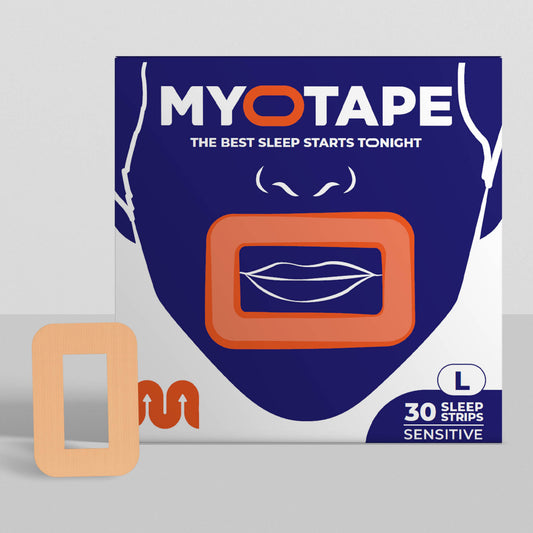
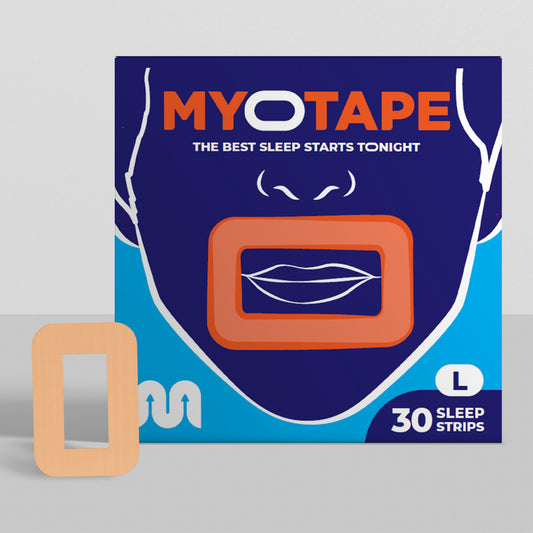
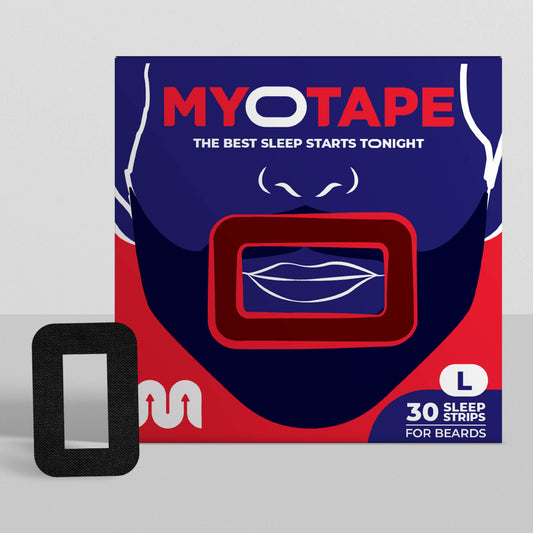
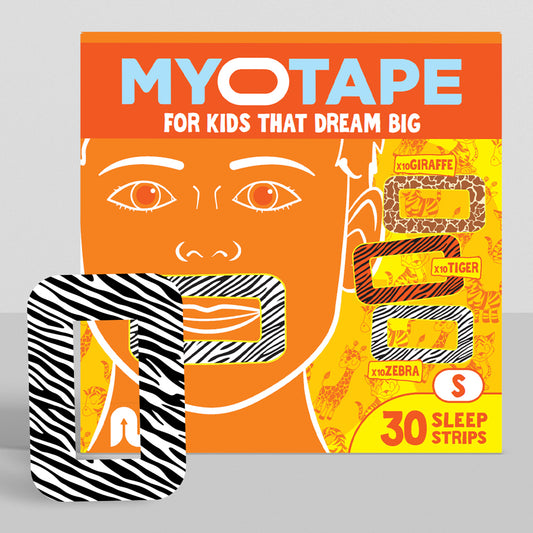
However, there is a way you can still help them. MyoTape is a gentle, skin-safe tool that helps kids breathe through their noses while they sleep.
Unlike regular mouth tapes that cover the whole mouth, MyoTape wraps around the lips and gently keeps them together. This way, your child can breathe through their nose without feeling restricted or uncomfortable.
Kids who use MyoTape regularly tend to sleep more quietly, wake up less during the night, and feel more rested in the morning. As one parent said, "When she uses the mouth tape, she stops snoring and sleeps much better."
MyoTape is an easy and practical solution parents can use right away, with no complicated steps or special equipment. MyoTape is only recommended for childen four years and above.
2. Practice simple breathing exercises before bed
Spending a few minutes on slow nose or belly breathing before bed helps calm the body and lets it know it’s time to rest.
Have your child place a hand on their belly and breathe in through the nose for four counts, then out for four. Keep it calm and low-pressure; even two or three rounds make a difference.
3. Clear the nose before sleep
If your child has a stuffy nose, try to clear it before bed. A saline nasal rinse, a warm bath, or a cool-mist humidifier in the bedroom can all make nose breathing easier and more comfortable at night.
Further, performing the Buteyko nose-unblocking exercise can help clear your kid’s nose before they go to bed.
4. Build a calm, screen-free wind-down
Screens and too much excitement can keep your child’s body alert, making slow nose breathing harder. Try to have 30 to 60 minutes without screens before bed. Use this time for reading, quiet play, or gentle conversation. A calm body helps with better breathing.
5. Check their sleep position
The position your child sleeps can affect their breathing more than you might think. When kids sleep on their backs, their mouths often fall open and the tongue can slip back, making the airway narrower.
Sleeping on the side helps keep the airway open and makes it easier for your child to breathe through their nose all night.
If your child rolls onto their back, you can place a small rolled towel or a body pillow behind them to help them stay on their side comfortably.
Start Supporting Your Kid Tonight with MyoTape
Good sleep starts with good breathing, and that means breathing through the nose. If your child wakes up tired, snores, or sleeps with their mouth open, it’s a sign their body needs some help.
MyoTape is a simple and gentle tool that helps children develop the habit of nose breathing for better, more restful sleep. So, support your child’s sleep tonight: Get MyoTape for kids today!