Many people experience dry mouth at night. You might go to bed feeling fine, but wake up with a dry throat, dry lips, or a sticky mouth. This can make mornings uncomfortable and have you reaching for water as soon as you wake up.
Sometimes, dry mouth can interrupt your sleep. You may wake up thirsty or with a dry throat, which makes it harder to stay asleep and feel rested.
If you want to know how to stop dry mouth at night, the solution often comes down to a few simple changes. In this article, you will learn what causes dry mouth while sleeping and how to prevent it in a natural and effective way.
What Causes Dry Mouth While Sleeping?
Dry mouth during sleep usually happens when something affects how you breathe or how much saliva your body produces at night. If you often wake up feeling dry, it is not random. It is your body giving you a signal.
Many people look for ways to keep their mouths from drying out at night, but the real solution starts with understanding what is causing it in the first place.
One of the most important things to know is this: your mouth should feel naturally moist when you wake up. If it feels dry, there is a strong chance you have been breathing through your mouth while sleeping.
This also explains why some people wake with a dry throat, bad breath, or feel less rested even after a full night in bed.
Here are the most common causes:
- Mouth breathing: Sleeping with your mouth open allows moisture to escape, leading to dryness in the mouth, throat, and tongue.
- Dehydration: Not drinking enough fluids during the day reduces saliva production at night.
- Medications: Certain drugs, such as antihistamines and antidepressants, can lower saliva flow.
- Blocked nose: Nasal congestion forces you to breathe through your mouth instead.
- Low saliva production: Some people naturally produce less saliva, especially during sleep.
- Dry air: A dry bedroom environment can worsen dryness in the mouth and throat.
Of all these causes, mouth breathing is the main one. Breathing through your nose helps keep moisture in, filters the air, and protects your airways.
Mouth breathing, on the other hand, causes you to lose more moisture and can affect your sleep quality. It can lead to snoring, waking up during the night, and feeling tired.
The first step is to figure out what is causing your dry mouth. Once you know the cause, it is easier to choose the right solution and prevent dry mouth at night.
7 Tips to Prevent Dry Mouth While Sleeping
Here are some ways to stop experiencing dry mouth at night:
1. Support nasal breathing and keep your mouth closed

If you sleep with your mouth open, dryness is almost unavoidable. One of the most effective ways to prevent dry mouth while sleeping is to gently encourage your lips to stay closed at night.
This helps reduce moisture loss and keeps your mouth naturally hydrated.
Breathing through your nose is important. It warms and adds moisture to the air before it enters your body, which helps keep your mouth and throat from drying out.
Mouth breathing, however, lets saliva dry up quickly and often causes dry mouth, dry throat, and bad breath in the morning.
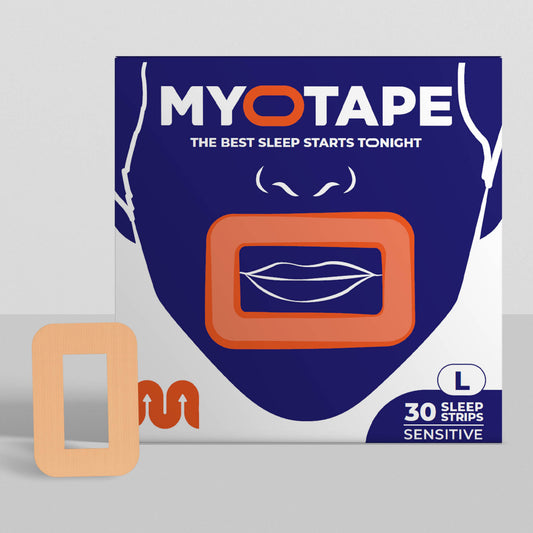
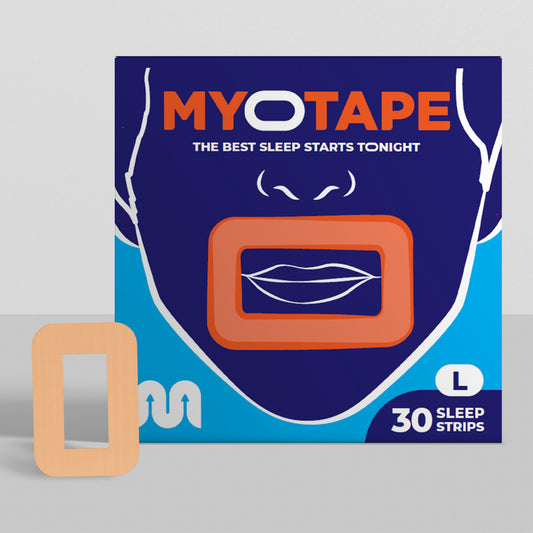
A simple way to support this habit is by using mouth tape. MyoTape gently brings the lips together without fully covering the mouth, making it a comfortable option for most people. If you are new to it, wearing it for 20 minutes before bed can help you adjust.
Waking up with a dry mouth is often a clear sign of mouth breathing. By supporting nasal breathing, you can prevent dry mouth at night and wake up feeling more refreshed. Also, MyoTape can also be used to stop dry mouth that comes with CPAP use.
2. Stay well hydrated throughout the day
Staying hydrated helps your body make enough saliva. If you do not drink enough fluids, your mouth is more likely to feel dry at night, especially in the morning.
If you are wondering what to drink before bed, water is the best option. Caffeine-free herbal teas can also help. The main goal is to stay hydrated without making it harder to fall asleep.
Try to drink enough water throughout the day, not just before bed. This keeps your mouth moist and helps increase saliva before sleep. Avoid alcohol and caffeine in the evening, since they can make dryness worse.
3. Use a humidifier to add moisture to the air
Your sleep environment can affect how your mouth and throat feel throughout the night. If the air is dry, it can pull moisture from your mouth, worsening dryness.
A humidifier adds moisture to the air, which makes breathing more comfortable. This can help reduce dryness in your mouth and throat and help you sleep better.
Humidifiers are especially helpful in winter or in air-conditioned rooms, where the air is often dry. Making your bedroom more comfortable is an easy way to prevent dry mouth at night.
4. Clear your nose before going to bed
If your nose is blocked, you are more likely to breathe through your mouth while you sleep. When your nose is not clear, your body opens your mouth to get enough air, which can make your mouth dry.
To prevent dry mouth, try to make it easier to breathe through your nose before bed. This helps your body keep a natural breathing pattern while you sleep.
You can use a saline spray, steam, or nasal strips to help open your airways. Keeping your nose clear helps you breathe better and reduces dryness at night.
5. Support your body with natural remedies
There are easy home remedies that help your body keep its natural moisture. These are good options if you want a natural approach.
Chewing sugar-free gum earlier in the evening can stimulate saliva production. Xylitol lozenges are another helpful option for keeping the mouth moist.
You can also try small amounts of aloe vera juice to soothe dryness. At the same time, avoid salty or spicy foods before bed, as they can contribute to dehydration. These small changes can help naturally prevent dry mouth.

6. Build a consistent nighttime routine
Your evening habits can influence how your mouth feels during sleep. A simple nighttime routine can help reduce dryness and improve comfort.
Start with good oral hygiene. Brushing and flossing before bed keeps your mouth clean and lowers the bacteria that can make dryness and bad breath worse.
Avoid alcohol-based mouthwash, as it can dry out your mouth. Instead, use a hydrating oral rinse if needed. Keeping a glass of water nearby can help, but try to take small sips. Consistency with these habits can make a noticeable difference over time.
7. Use supportive products when needed
If you still have dryness, some products can help you feel more comfortable and protect your mouth. These are helpful if your dry mouth does not go away.
Saliva substitutes, moisturizing gels, nasal dilators, and hydrating mouth sprays can all help keep your mouth moist at night. These are some of the best products for preventing dry mouth.
It is also important to use fluoride toothpaste, since dry mouth can raise your risk of tooth decay. Dentists often suggest using these products along with better breathing habits. If your dryness is severe or does not go away, talk to a professional.
Sleep Better and Wake Up Refreshed with MyoTape
Dry mouth at night often means you are breathing through your mouth. While staying hydrated and building good habits can help, the best way to prevent dry mouth is to support nasal breathing and keep your mouth gently closed.
MyoTape makes this simple. It gently brings your lips together to help you breathe through your nose, without forcing your mouth shut. This helps you wake up with a moist mouth, fresher breath, and better sleep. It is also recommended by dentists.
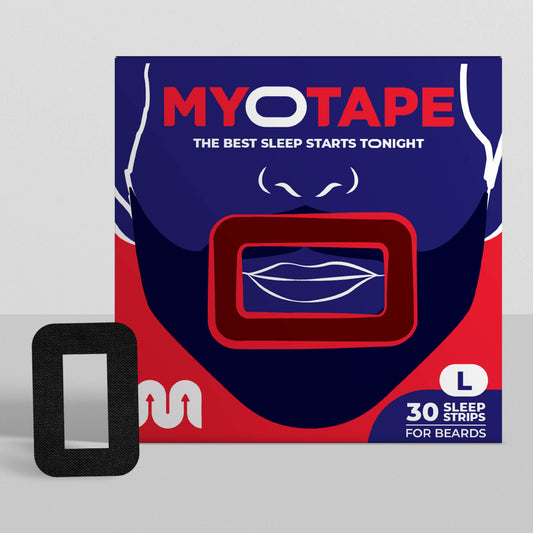
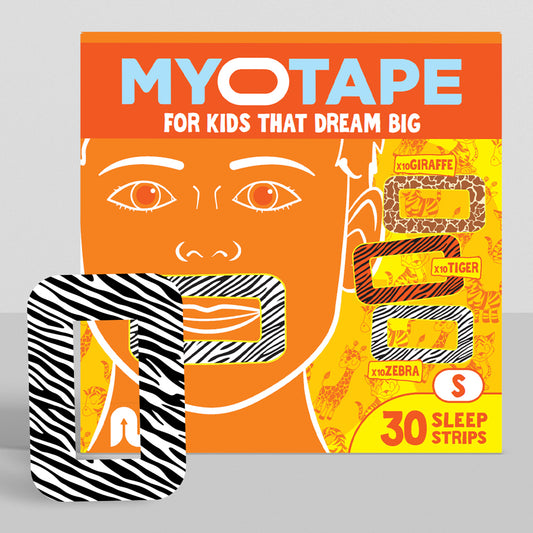
If you are ready to stop dry mouth at night and improve your sleep, try MyoTape. Head over to the MyoTape online shop, and check out our range of mouth tapes, including mouth tape for kids, mouth tape for adults, mouth tape for sensitive skin, and mouth tape for beards.