Your dreams may be trying to tell you something, but perhaps not in the way you think. Dreams are a normal part of sleeping and can feel like a window into the night.
A vivid dream may leave you feeling rested, confused, or completely drained, but does it truly reveal how well you slept?
This article will reveal what your dreams could be saying about how well you are sleeping, and how something as simple as the way you breathe at night could be shaping them more than you realize.
What Stage of Sleep Do You Actually Dream In?
Your brain and body move through several sleep stages each night. These stages form cycles that usually last around 90 to 110 minutes, with most people completing four to six cycles.
There are two main types of sleep:
- Non-rapid eye movement (NREM): This sleep includes light and deep sleep. Deep sleep supports physical recovery, tissue repair, and immune function. NREM sleep occurs in three stages (stages 1-3).
- Rapid eye movement sleep (REM): REM is often called "dream sleep" because most vivid and memorable dreams happen during this stage (stage 4).
During REM sleep, your brain becomes highly active, your eyes move rapidly, and your breathing may become less regular. Most of your muscles also become temporarily inactive. This natural state helps prevent you from physically acting out your dreams.
REM periods are short at the beginning of the night and become longer towards morning. Cutting your sleep short may therefore reduce some of the longer REM periods that happen later in the night.
The amount of REM sleep you get can vary with age, recent sleep, physical activity, alcohol, and medication. More REM gives your brain more opportunity to dream, but it does not guarantee that you will remember more dreams.
How Sleep Quality Can Affect Your Dreams
REM sleep works like a nightly therapist and librarian. It helps your brain process emotions, organize memories, and connect ideas.
During REM sleep, your brain can:
- Process emotional experiences.
- Sort and strengthen memories.
- Remove unnecessary information.
- Support learning and creative thinking.
This makes REM an important part of quality sleep, but it is only one part. Your body also needs enough light and deep sleep to feel fully restored.

Do Vivid Dreams Mean Good Sleep?
Not necessarily. Vivid dreams can happen during healthy REM sleep, but they do not prove that your sleep was deep or restorative. Likewise, remembering a dream does not automatically mean that you slept well or badly.
Your dreams alone cannot measure your sleep quality. Instead, ask:
- Did you fall asleep easily?
- How often did you wake?
- Could you return to sleep quickly?
- Did you get enough total sleep?
- Did you wake feeling refreshed?
If you remember a vivid dream but wake feeling exhausted, the more important issue may be what interrupted your sleep rather than the dream itself.
Could Disrupted Breathing Be Interrupting Your Dreams?
Dreams do not usually prevent good sleep. Instead, something may be interrupting both your dreams and your natural sleep cycles.
When you wake fully, your brain returns to Stage 1 sleep. It must then move through the lighter stages again before reaching deep or REM sleep. Repeated awakenings can reduce sleep quality even when you spend enough hours in bed.
Nighttime bathroom trips are one common interruption that leads to sleep fragmentation. Disrupted breathing may also cause brief awakenings that you do not remember.
Possible signs of disrupted nighttime breathing include:
- Waking with a dry mouth.
- Snoring heavily.
- Waking suddenly or gasping.
- Morning headaches.
- Frequent bathroom trips.
- Feeling tired despite spending enough time in bed.
A dry mouth in the morning may indicate that your lips opened and you breathed through your mouth during sleep.
Can Mouth Breathing Be Connected to Nightmares?
Nightmares can be associated with sleep-disordered breathing, particularly in children. This does not mean that mouth breathing directly causes every bad dream. However, breathing difficulties may fragment sleep, causing repeated awakenings and reducing restorative rest.
Frequent nightmares may warrant closer attention when they occur alongside snoring, sleeping with the mouth open, dry mouth, bedwetting, restless sleep, or daytime tiredness. If a child regularly experiences nightmares together with signs of breathing difficulty, speak with a pediatrician or sleep specialist.
Look Beyond Your Dreams for Better Sleep
Dreams may offer clues, but good sleep depends on the complete picture:
- Quantity: Getting enough total sleep.
- Quality: Moving through each sleep stage with minimal disruption.
- Consistency: Maintaining regular sleep and wake times.
- Timing: Allowing enough time for early deep sleep and later REM sleep.
- Breathing: Breathing calmly and comfortably through your nose.
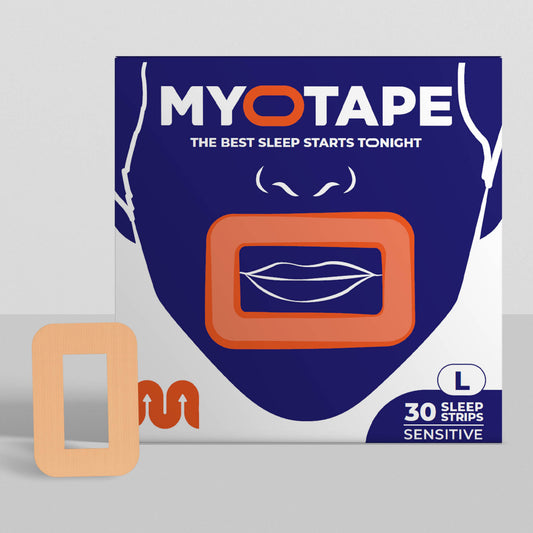
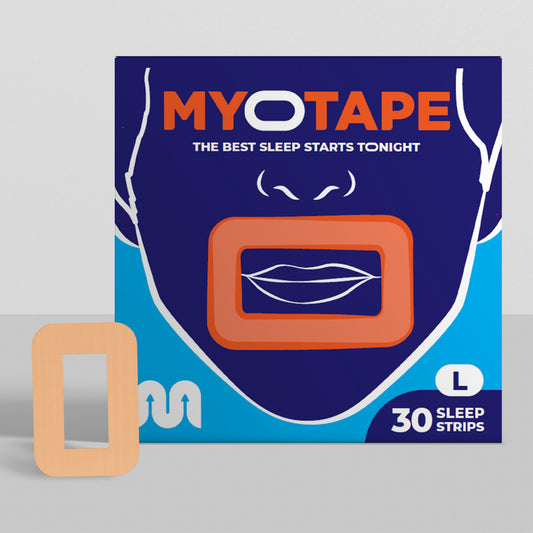
Nighttime breathing is often the piece people overlook. If you can breathe comfortably through your nose but tend to wake with a dry mouth, MyoTape can gently support your lips and encourage nasal breathing.
Unlike traditional mouth tape, MyoTape surrounds the mouth rather than covering it. Its elastic design gently supports the lips while still allowing you to open your mouth whenever necessary.
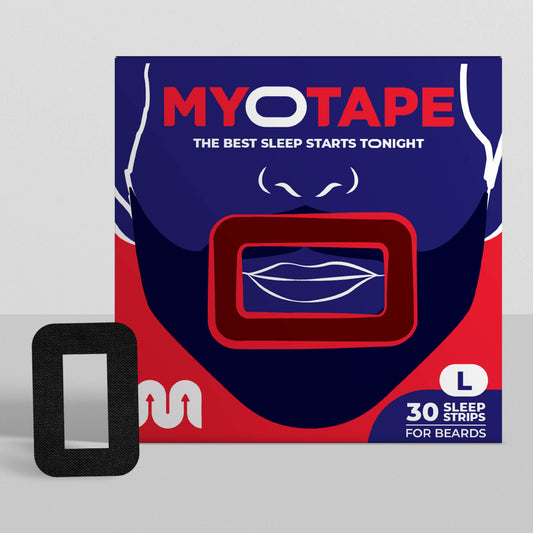
Select from a variety of options designed for everyone, including mouth tape for kids, mouth tape for adults, mouth tape for sensitive skin, mouth tape for beards, and start sleeping better tonight. It should only be used when nasal breathing already feels easy and comfortable.
Your dreams may be the part of sleep you remember. Better nighttime breathing could help support the restful sleep happening behind them.