Back-to-school season can be a real adjustment. After weeks of relaxed summer nights, you suddenly have to deal with early alarms, packed lunches, school runs, and busy mornings again.
As you help everyone else get back on track, your own sleep can suffer. You might stay up too late, wake up tired, and find it hard to get through the day.
A simple back-to-school sleep reset can make a big difference. These seven practical tips can help you get your sleep schedule back on track, sleep better, and feel more ready for the school routine.
Why Back-to-School Season Can Disrupt Parents’ Sleep
The start of school can throw off your sleep in a few ways. You might have to wake up much earlier, but your body still wants to stay up late like it did in summer. This can leave you lying awake at night and struggling when the alarm goes off.
There’s also a lot more on your mind. Uniforms, lunches, getting everyone to school, work, and first-day nerves can keep you awake after you get into bed. If you can’t sleep before the first day, stress might be the real problem, not just your bedtime.
Not getting enough sleep or even deep sleep over time can drain your energy, affect your mood, test your patience, and make it harder to focus.
7 Back-to-School Sleep Reset Tips for Parents

Here are seven back-to-school sleep tips that can make the transition easier:
1. Start resetting your schedule before school begins
Try not to wait until the night before school starts to change your routine. Give yourself a few days to get used to earlier mornings.
If you can, start resetting your sleep schedule about a week before school begins. Begin waking up earlier and try not to stay in bed late, even if summer isn’t quite over yet.
This also gives you a chance to try out your morning routine. You can see how long breakfast, getting dressed, and leaving the house really take, without the stress of rushing to school.
2. Adjust your bedtime and wake-up time gradually
Changing your schedule by two hours all at once can make it hard to fall asleep, even if you go to bed earlier. Instead, try moving your bedtime and wake-up time earlier by 15 to 30 minutes every few days.
For example, if you usually wake up at 8:00 a.m. but need to get up at 6:30 a.m., set your alarm a bit earlier each day until you reach your goal.
A good school sleep schedule should give you enough time to rest and get ready in the morning without feeling rushed. Most adults need at least seven hours of sleep, but everyone is different.
3. Keep a consistent wake-up time, even on weekends
Sleeping in on weekends might seem like the best way to catch up on sleep debt after a long week. But big changes in your schedule can make it harder to fall asleep on Sunday night and get up on Monday morning.
Try to keep your weekend wake-up time close to your weekday routine. You don’t have to wake up at the exact same time every day, but avoiding big changes can help your body stay in a steady rhythm.
This is because sleep consistency is important. If you need more rest, try going to bed earlier or taking a short nap during the day instead of sleeping in all morning.
4. Prepare the night before to protect your evening

Getting ready for school can easily stretch right up to bedtime. You finish one thing, remember something else, and then lie awake thinking about tomorrow’s to-do list.
Take some pressure off by getting the essentials ready earlier:
- Pack school bags and check homework.
- Lay out clothes and uniforms.
- Prepare lunches or ingredients.
- Place keys, shoes, and important forms near the door.
- Write down anything you need to remember.
Pick a set time to stop doing school-related tasks. Anything that isn’t urgent can wait until tomorrow. This helps create a clear line between getting ready and winding down, so your evenings feel less stressful.
5. Use morning light to reset your body clock
Morning light signals your body that it’s time to wake up. Getting regular sunlight can help you adjust to an earlier sleep and wake schedule as you get back into the school routine.
Open your curtains soon after you wake up. Try eating breakfast by a bright window or spend a few minutes outside after the school run. Even a short walk can help you feel more awake and add some gentle movement to your morning.
Try to pair morning light with a regular wake-up time. These habits together can help you get your sleep schedule back on track for school.
6. Create a shorter bedtime routine
Your bedtime routine doesn’t have to be complicated. It just needs to help you step away from the day’s demands.
Your ten-minute routine could include:
- Putting your phone away
- Dimming the lights
- Washing your face and brushing your teeth
- Preparing the bedroom
- Reading a few pages
- Breathing slowly and gently through your nose
Doing the same steps each night can help your mind know it’s time for bed. Pick routines you can stick with, even on busy school nights.
7. Pay attention to how you are breathing at night

Going to bed earlier won’t always fix tiredness if your sleep keeps getting interrupted. Snoring, mouth breathing, and waking up often can all affect how rested you feel in the morning.
Possible signs of nighttime mouth breathing include:
- Waking with a dry mouth or throat
- Snoring during sleep
- Waking frequently
- Feeling tired despite spending enough time in bed
Make sure you can breathe comfortably through your nose before using MyoTape, an effective nighttime breathing support, or nasal strips to open your airways. Persistent snoring, gasping, pauses in breathing, or severe daytime tiredness should be discussed with a healthcare professional.
Make MyoTape Part of Your Back-to-School Sleep Reset
The best school sleep schedule is one that’s realistic, consistent, and gives you enough time to recharge. Small changes to your breathing in the evening, morning, and at night can help make school days feel easier.
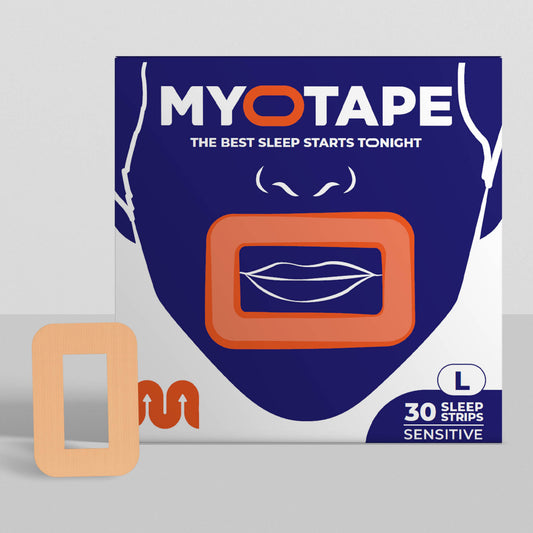
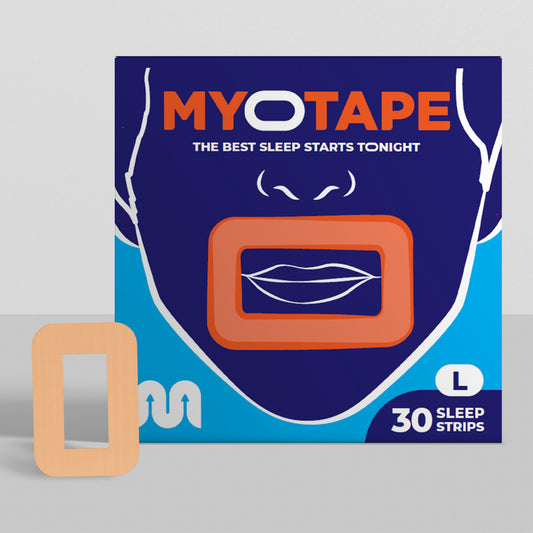
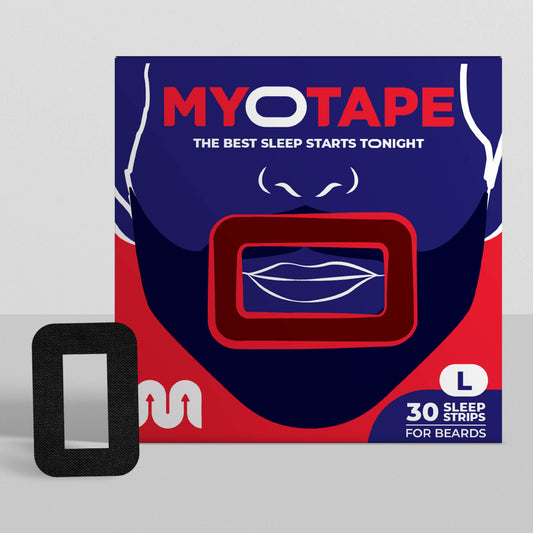
If you can breathe easily through your nose but often sleep with your mouth open, MyoTape can gently help keep your lips together and encourage nasal breathing. Unlike other tapes, it goes around your mouth instead of over it, so your lips aren’t sealed shut.
Add MyoTape to your bedtime routine for a more comfortable way to support nasal breathing while you sleep. Head over to the MyoTape online shop and see our range of mouth tapes, including mouth tape for kids, mouth tape for adults, mouth tape for sensitive skin, and mouth tape for beards.