It can be surprising to hear your child snore at night, especially if it starts happening regularly. You may wonder if this is normal, if your child is sleeping well, or if something is making it hard for them to breathe.
Children often snore when they have a cold or a stuffy nose, and this usually goes away on its own. But if your child snores every night, it could be a sign of something else that needs attention.
Knowing the reasons for snoring can help you notice problems early, understand when to be concerned, and find easy ways to help your child breathe and sleep better.
Is Child Snoring Normal?
Children should breathe quietly while they sleep. If your child snores regularly, it means air is not moving easily through their nose and throat. This causes soft tissues like the palate, tonsils, and tongue to vibrate as air passes.
Occasional snoring is common. Up to a quarter of school-aged children snore now and then, usually during a cold or allergy flare, and it fades once the nose clears.
Snoring three or more nights a week is called habitual snoring. About 1 in 10 preschool and primary school children have this, and it can make their sleep lighter and more broken, which may show up as behavior or concentration problems during the day.
What Causes Snoring In Children?
The most common reason children snore is because their tonsils or adenoids are enlarged. Allergies, stuffy noses, mouth breathing, and the shape of the face or jaw can also cause snoring, and many children have more than one of these factors.
Enlarged Tonsils and Adenoids
The tonsils sit at the back of the throat. The adenoids sit higher, where the back of the nose meets the throat, so you can't see them. Both are part of the immune system and can swell during infections.
When tonsils or adenoids are bigger than usual, they make the airway smaller, and the sound of snoring happens as air moves past them. This usually happens between ages three and six, when these tissues are largest. Swollen adenoids can also block the nose and make children breathe through their mouths.
Allergies and A Blocked Nose
Things like dust mites, pet hair, pollen, and mold can make the inside of the nose swell, leaving less space for air to pass through. Colds and sinus infections can also cause this, but usually only for a short time. If your child snores more during certain seasons, around pets, or in dusty places, allergies might be the cause.
Mouth Breathing

Children naturally breathe through their noses. This helps filter and warm the air and keeps the airway muscles strong during sleep.
If a child sleeps with their mouth open, the jaw drops, the tongue moves back, and the throat gets narrower, making snoring more likely. Breathing through the mouth also dries out the airways and can make the nose feel even more blocked, so the habit can stick around after a cold. Over time, this can even affect how a child's face and jaws grow.
Family Traits
Snoring often runs in families. Children may have a similar face shape to their parents, like a narrow upper jaw, and allergies or asthma can be passed down too. Kids also learn breathing habits from their parents, so they might copy a parent who breathes through their mouth or snores.
Why Snoring Can Start Suddenly
If your child has just started snoring, think about any recent changes:
- Illness. Tonsils and adenoids can stay swollen after a cold or infection.
- New allergens. A new pet, season, or home can bring new triggers.
- Weight gain. Extra weight can press on the airway.
- A new mouth breathing habit. It can continue after a blocked nose clears.
If your child keeps snoring for more than a few weeks, talk to their doctor about it.
Signs That Go Beyond Snoring
Other signs that come with snoring can show how much it affects your child's sleep. Look out for:
- Gasping or pauses in breathing. Short silences followed by a gasp or snort may mean the airway is briefly closing.
- Sweating. Damp hair or pajamas can signal that your child is working hard to breathe.
- Bedwetting. Disrupted breathing can affect deep sleep and often shows up alongside bedwetting.
- Teeth grinding. This is common in children with a narrowed airway, even when snoring is mild.
- Restless sleep. Look for tossing and turning, tangled sheets, or sleeping with the head tilted back to open the airway.
- Bad breath. Mouth breathing dries saliva, which normally keeps bacteria in check. Learn more in our guide to snoring and bad breath.
During the day, watch for signs like trouble waking up, being irritable, having trouble focusing, or headaches in the morning. Young children who don't sleep well often seem restless instead of tired, which can sometimes look like a behavior problem.
Snoring or Sleep Apnea?
Snoring happens when air moves through a narrow airway. Obstructive sleep apnea is when the airway partly or fully closes during sleep, causing your child to stop breathing for short periods.
Not all children who snore have sleep apnea. About 1 to 5% of children have it, and it's most common between ages three and six. Pay attention to what happens between snores, like quiet pauses followed by a gasp, your child working hard to breathe, or waking up often.
Some children breathe harder at night without actually stopping. They might snore softly or not at all, but still don't sleep well.
Only a doctor can tell if your child has sleep apnea, usually by doing a sleep study. If you see your child pause or gasp while sleeping, try to record a short video to show your pediatrician.
When To Worry About Child Snoring
Talk to your child's pediatrician if:
- Your child snores three or more nights a week
- You notice pauses, gasping, or choking during sleep
- Snoring comes with bedwetting, night sweats, or very restless sleep
- Your child is often tired, irritable, or unfocused during the day.
- They can't breathe comfortably through their nose, even without a cold.
Your doctor might send you to an ear, nose, and throat (ENT) specialist. A dentist who focuses on airways can also check how your child's jaws are growing.
Some children stop snoring as their tonsils and adenoids get smaller with age. But mouth breathing can stick around, so it's better to help your child early instead of waiting.
How To Stop A Child From Snoring
Try to find out what's causing the snoring, not just stop the noise. For many kids, this means helping them breathe through their nose during the day and making sure their sleep environment helps at night. If you see any warning signs, talk to a doctor first.
Home Remedies To Try
- Make sure your child's bedroom is cool and has fresh air. Warm, stuffy rooms can make it harder to breathe.
- Cut down on allergens by washing bedding often, vacuuming regularly, and keeping pets out of your child's bedroom.
- Avoid big meals before bed. Eating late can make sleep less settled.
- Help your child practice breathing through their nose during the day. Remind them gently to keep their lips closed and breathe quietly through their nose. Making it into a game can make it easier.
- Set a good example by breathing through your nose yourself. Kids often copy how their parents breathe.
Try A Simple Nose Unblocking Exercise
This gentle breath-hold can help clear a stuffy nose:
- Breathe in and out gently through the nose.
- Pinch the nose and hold the breath.
- Gently nod the head about five times.
- Let go and breathe calmly through the nose.
- Rest for 30 to 60 seconds, then repeat six times.
Your child should be able to breathe normally again after a few breaths. Don't do this exercise if your child has a serious medical problem, and be extra gentle if they are wheezing. If their nose still feels blocked, ask an ENT specialist to check for enlarged adenoids.
Best Sleeping Position
When your child sleeps on their back, the jaw and tongue can fall backward and make snoring worse. For older kids, sleeping on their side or stomach is usually better, and using a slightly higher pillow can help when they have a cold.
Support Nasal Breathing At Night

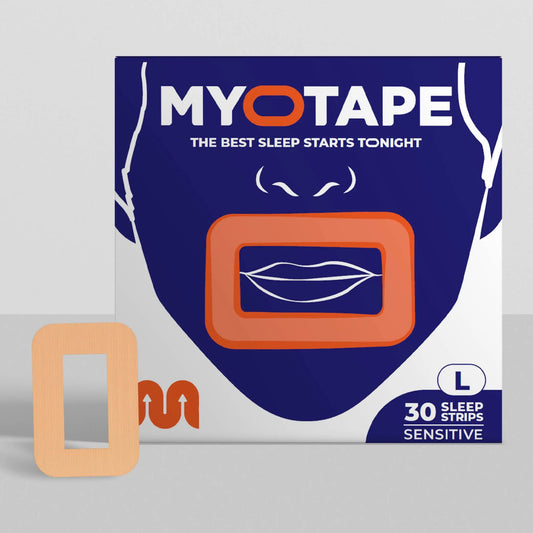
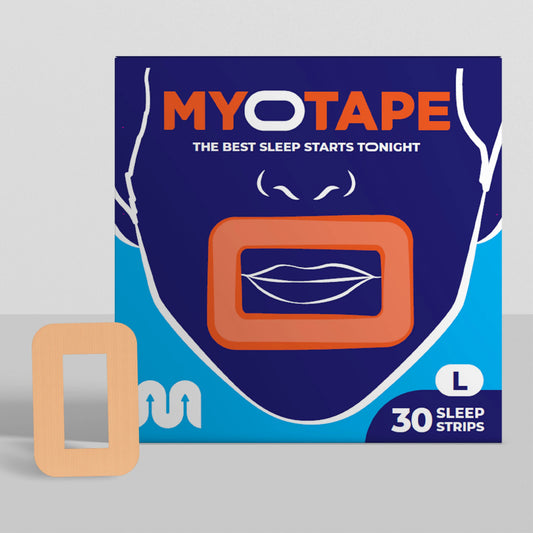
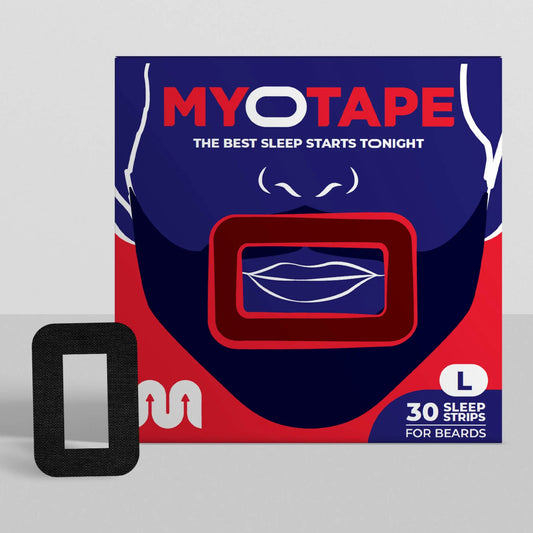
After your child can breathe easily through their nose during the day, MyoTape Kids can help them keep doing it at night. This tape is made for children aged 4 and up and goes around the lips, not over them, so your child can still talk or drink water.
Begin by using the tape for short periods during the day, like when your child is reading, so they get used to it. Wait before using it at night if your child still has trouble breathing through their nose.
Medical Treatment Options
If your child has serious breathing problems because of large tonsils or adenoids, your doctor might suggest surgery to remove them.
Many children keep breathing through their mouth after surgery, so restoring nasal breathing still matters. Other treatments include allergy medicine, seeing a dentist who focuses on airways, or doing exercises to strengthen the mouth and face muscles.
Frequently Asked Questions
Why Is My Child Snoring All Of A Sudden?
Sudden snoring usually happens after a cold, infection, or being around new things like a pet or pollen. If your child keeps snoring for more than a few weeks, talk to their doctor.
Is It Bad For A Child To Snore Every Night?
If your child snores every night, it means their airway is narrow while they sleep and it could affect how well they rest. It's a good idea to talk to your pediatrician about it.
Will My Child Grow Out Of Snoring?
Some children snore less as their tonsils and adenoids get smaller, but mouth breathing can still stick around. Helping your child learn to breathe through their nose early can make a difference.
Can Allergies Make A Child Snore?
Allergies can make the inside of the nose swell and make the airway smaller. Cutting down on allergens in the bedroom and treating allergies can help your child breathe better at night. Why it happens and what you can do tonight.
Help Your Child Sleep More Quietly
A few noisy nights during a cold are normal. Snoring most nights is your child's way of showing that breathing during sleep isn't as easy as it should be.
Simple steps can make a real difference: clear the nose, encourage nasal breathing by day, keep the bedroom cool and calm, and see a doctor if you notice warning signs.
When your child is ready, explore the MyoTape range, including MyoTape Kids, to support quieter, more restful sleep.