Mouth taping seems straightforward. Apply the tape, go to sleep, and breathe through your nose. So why do so many people struggle with it?
Usually, the issue isn't mouth taping itself, but how it's done. Using the wrong tape, not preparing your skin, or having a poor fit can all make a difference.
Here are 11 common mistakes people make with mouth taping and how you can avoid them.
1. Using regular tape, duct tape, or masking tape
Household tapes aren't made for the sensitive skin around your mouth. Their glue can be too strong, hurt when you take it off, or leave sticky residue behind.
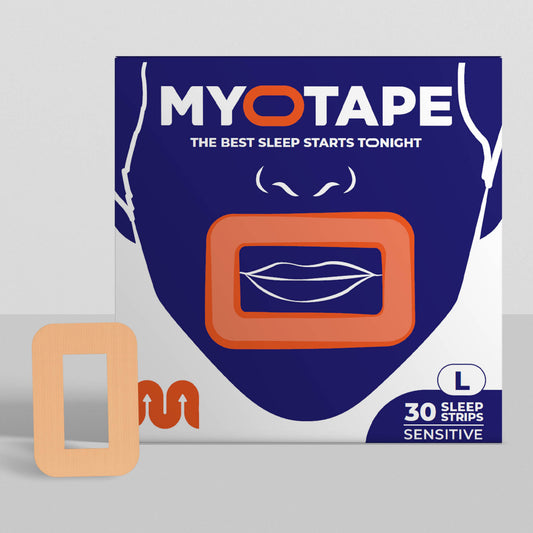
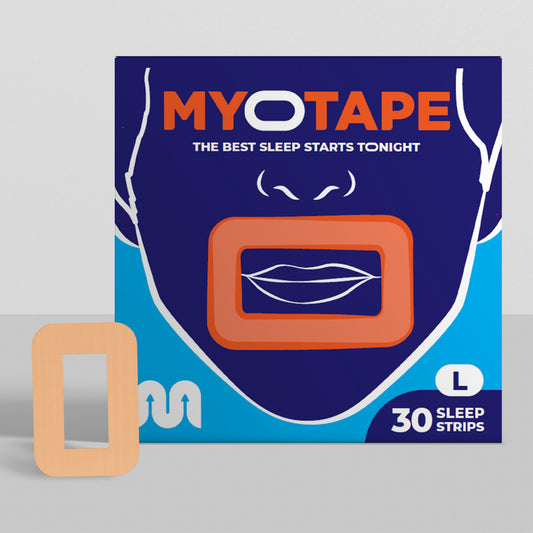
Pick a mouth tape made for skin. MyoTape, for example, uses a gentle, hypoallergenic adhesive and sticks to the skin around your mouth, not your lips.
2. Sealing the lips completely

Putting tape right over your lips can feel uncomfortable, especially if you're new to mouth taping. It might also make you worry about not being able to open your mouth.
Mouth puffing is a phenomenon where the body instinctively tries to release a small amount of air through the mouth during sleep.
If your mouth is sealed shut, you can't mouth puff, which can wake you up and make you feel uncomfortable instead of rested. A well-designed tape helps keep your lips closed without covering your whole mouth.
MyoTape is safe because it surrounds the mouth rather than sealing it, so you can still open your mouth if you need to speak, cough, or take a breath through your mouth in an emergency.
3. Skipping a patch test
Even if a product is made for overnight use, your skin might still react to the adhesive.
Try a small piece of tape on your inner forearm for a few hours before using it overnight. If you see ongoing redness, itching, swelling, or discomfort, stop using it.
Patch testing is especially important if you have sensitive skin or have reacted to adhesives before.
4. Choosing the wrong size
If the tape is too small, it might not hold well. If it's too big, it could pull on your skin or feel uncomfortable.
Check the sizing guide and pick a tape that fits your face. It should feel snug but comfortable, without hurting your lips or pulling too much.
MyoTape offers different sizes and versions for adults, children, sensitive skin, and facial hair.
5. Ignoring sensitive skin
Redness, burning, or soreness aren't normal and shouldn't be ignored when mouth taping.
If you have sensitive skin:
- Choose a gentle adhesive.
- Complete a patch test
- Avoid broken or irritated skin
- Remove the tape slowly
- A hypoallergenic mouth tape formulated for reactive skin
- A gentler adhesive strength
- Stop using it if irritation continues.
MyoTape Sensitive Skin uses a gentler adhesive for people who find standard tape uncomfortable.
6. Ignoring your beard or facial hair

Regular mouth tape can stick to your facial hair instead of your skin. This might make it come off at night or hurt when you take it off.
Make sure the area is clean and dry, then place the tape so it touches the skin around your mouth. Tapes made for facial hair can fit better.
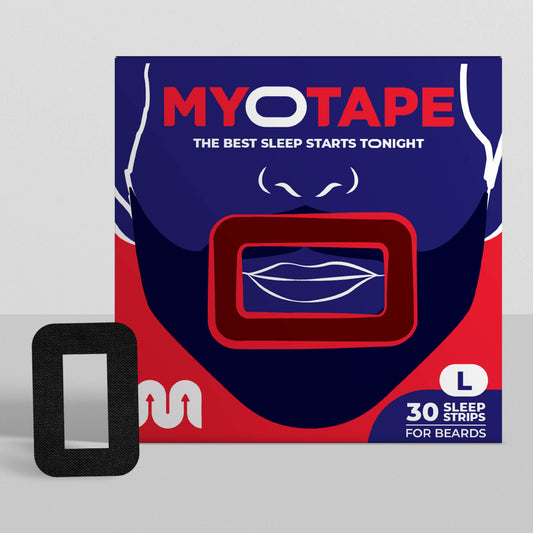
MyoTape for Beards has a larger shape designed to improve adhesion around beards and mustaches.
7. Using adult tape on children

Children have smaller faces and more delicate skin. Adult tape may be too large or strong for them.
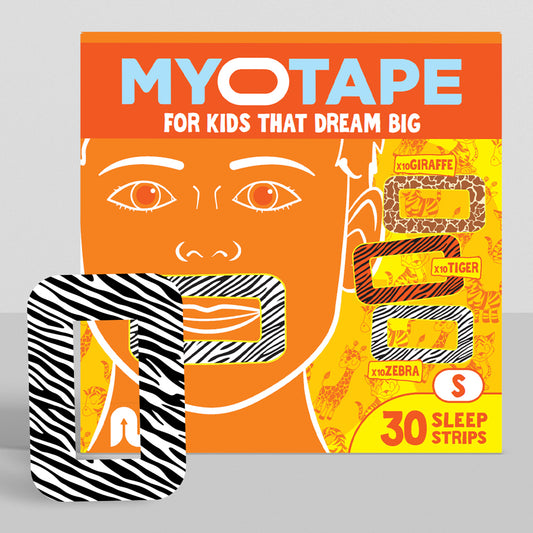
MyoTape Kids is designed for children aged four and older. It surrounds the lips rather than covering them completely. Children should try it while awake first. They must also be able to breathe comfortably through their nose and open their mouths easily.
Never make a child wear mouth tape if they don't want to. If your child snores, breathes through their mouth, or has trouble sleeping, talk to a healthcare professional.
8. Applying tape to damp or oily skin
Moisturizers, oils, make-up, or sweat can stop mouth tape from sticking well. This is a common reason why tape falls off during the night.
Before applying it:
- Wash the skin around your mouth.
- Remove oils, make-up, and skincare products.
- Dry the area completely.
- Apply the tape as instructed.
- Press it gently to secure it.
When your skin is clean and dry, the tape sticks better and you don't need a stronger adhesive.
9. Removing mouth tape too quickly

If you pull mouth tape off too fast, it can irritate your skin, hurt your lips, or leave sticky residue.
Gently lift one edge and slowly peel the tape back, holding your skin with your other hand. If it's hard to remove, try a warm, damp cloth to soften the glue.
Gentle mouth tape removal is especially important for sensitive skin and facial hair.
10. Taping without checking nasal airflow
Make sure you can breathe easily through your nose before you use mouth tape.
Don't use mouth tape if your nose is very blocked or stuffy. If it's hard to breathe through your nose, take the tape off and fix the problem first.
Don't ignore ongoing nasal congestion. Nasal strips can help open your nose for a while, but they don't fix the root cause.
11. Expecting mouth tape to solve every breathing problem
Mouth tape may support nasal breathing, but it is not a cure for every cause of mouth breathing, snoring, or poor sleep. That is a popular mouth taping myth.
If mouth tape doesn't stop your snoring, it could be due to a blocked nose, how you sleep, alcohol, your anatomy, or sleep apnea.
Speak with a healthcare professional if you experience:
- Loud, persistent snoring
- Pauses in breathing
- Gasping during sleep
- Morning headaches
- Excessive daytime tiredness
- Persistent jaw pain or breathing difficulty
If you think you have sleep apnea or have been diagnosed with it, talk to your doctor before trying mouth tape. If you use a CPAP machine, don't change your treatment or add mouth tape without medical advice.
Avoid these mistakes. Choose MyoTape.
Most people get frustrated with mouth taping because of the mistakes listed above. Once you fix these, mouth taping usually feels much more comfortable and easy to add to your nightly routine.
The right tape makes most of these mistakes far easier to avoid in the first place. Designed by breathing expert Patrick McKeown, MyoTape surrounds rather than seals the mouth, with skin-friendly options for different needs.
- Shop MyoTape for Adults – the original design for everyday nasal breathing support
- Shop MyoTape Sensitive Skin – a gentler adhesive for reactive or easily irritated skin
- Shop MyoTape for Beards – shaped and adjusted for facial hair
- Shop MyoTape for Kids – designed for children aged four and over
Pick the version that fits your face and needs, and give mouth taping a real chance to work as it should.