If you want to know how to remove mouth tape or get rid of sticky residue after using it, you're in the right place. Removing mouth tape shouldn't be difficult or leave a mess.
This guide will show you how to safely remove mouth tape, such as MyoTape, and eliminate any leftover stickiness, allowing you to enjoy the benefits without the hassle.
If you're still shopping around, you'll also want to know what makes a mouth tape that doesn't leave residue in the first place, we cover that below too.
Why Mouth Tape Can Be Tricky to Remove
For a very small number of individuals, removing mouth tape can be uncomfortable, especially if you have sensitive skin or facial hair. The adhesive is designed to stay in place all night, so it can stick firmly to both skin and hair.
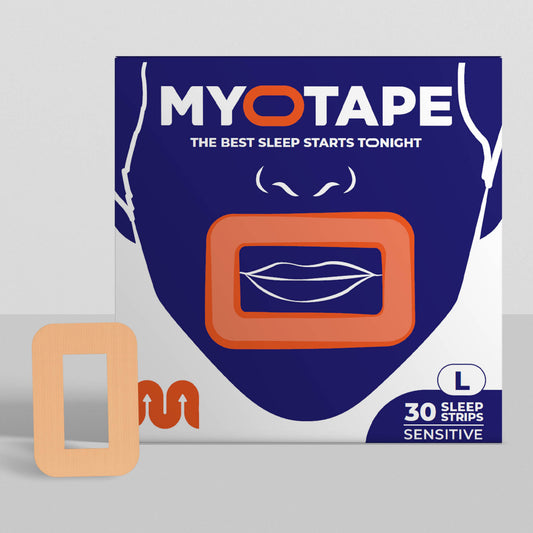
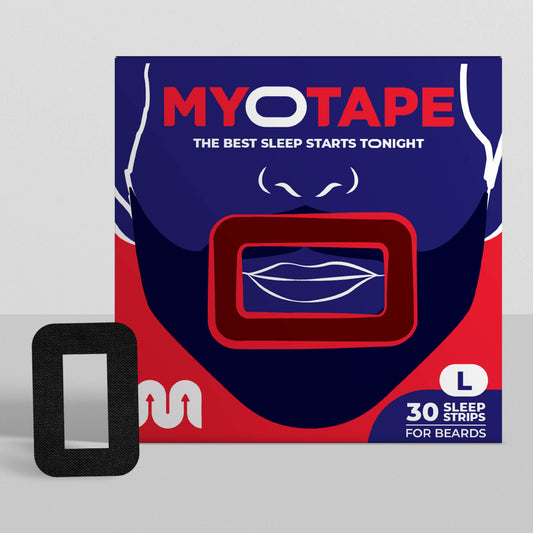
Mouth tapes like MyoTape are easy to peel off, and there are great options for those with sensitive skin or beards. However, if you are worried about removing a mouth tape, some helpful tips can help you.
Indeed, knowing how to remove mouth tape adhesive gently is essential for your comfort and skin health. See the 7-day guide to mouth taping for beginners.
 How to Safely Remove Mouth Tape
When it's time to take off your MyoTape, always use a gentle approach. Here's the best way to remove mouth tape:
- Peel slowly: Find a corner or edge of the tape and start peeling it back slowly. Avoid tugging or ripping the tape off quickly, as this can irritate your skin.
- Support your skin: Gently hold your skin in place with one hand while you peel the tape back over itself with the other. This helps minimize pulling and protects your skin. Taking it off carefully helps prevent tugging or irritation, keeping your skin smooth and residue-free.
- Soften the tape: If the tape feels too sticky, wet a soft cloth with warm water and gently pat it over the tape for 15–60 seconds. This helps loosen the adhesive, making removal easier — and painless, if you're worried about how to remove mouth tape without pain.
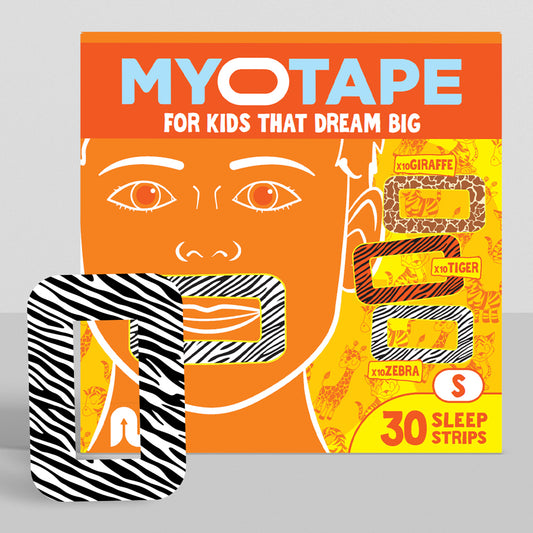
- For sensitive skin or kids: If your skin is extra sensitive, or you're removing tape from a child, try rubbing a little baby oil or coconut oil onto the tape and let it soak in. This will help the tape come off more easily.
- Use Vaseline if needed: Another gentle option is to apply Vaseline and let it soak in to dissolve the adhesive before slowly peeling off the tape.
- Peel in the direction of hair growth: If you have facial hair, always peel the tape in the direction of hair growth to avoid pulling out hairs.
- Avoid stinging substances: If you have any lymphatic issues or sensitive areas, steer clear of harsh or stinging removers.
After removing the tape, gently cleanse your skin with a non-stripping cleanser to remove any remaining adhesive. However, if sticky residue remains, here are some effective tips that can help.
How to Get Rid of Mouth Tape Residue
Sometimes, sticky residue remains after you take off mouth tape. Here's how to get rid of mouth tape residue gently:
- Micellar water: Soak a cotton pad with micellar water (not dripping) and hold it on the sticky area for 15–30 seconds. This loosens the adhesive. Gently wipe in circles—don't scrub too hard. Repeat if needed until the residue is gone.
- Warm soapy water: Wash the area with mild soap and warm water to remove any leftover stickiness.
- Oils: Apply a small amount of coconut or baby oil to the sticky spot. Let it sit for a minute, then gently wipe away the residue.
- Rinse and moisturize: After cleaning, rinse with warm water and apply a gentle moisturizer to soothe your skin.

Choosing a Mouth Tape That Doesn't Leave Residue
If you haven't bought mouth tape yet, the easiest fix for residue is choosing a mouth tape that doesn't leave residue in the first place.
Look for a few specific things: a medical-grade, hypoallergenic adhesive designed for facial skin rather than a generic tape; a design that doesn't require full-strength stretching to stay on, since overstretched adhesive tends to leave more behind; and a tape sized appropriately for the mouth rather than an oversized patch covering more skin than necessary.
MyoTape is built around these principles specifically, which is why the removal tips above are mostly precautionary rather than something you'll need every night. Find out all the common mouth taping mistakes and how to avoid them.
Additional Tips to Protect Your Skin and Facial Hair
To keep your skin comfortable and avoid sticky residue, try these tips:
- Don't overstretch: Only stretch MyoTape to about 30% when applying. Overstretching can make removal harder and cause discomfort. This also ensures it stays on all night.
- Prep your skin: Clean and dry your skin before taping. Avoid moisturizers or balms around your mouth, as they can affect how the tape sticks.
- Reduce stickiness: Before using the tape on your mouth, stick it to the back of your hand and remove it up to four times. This helps reduce how much adhesive is left on your skin in the morning.
- Remove gently: Always peel the tape back over itself, not straight up, and in the direction of hair growth if you have facial hair. When removed gently, mouth tape is comfortable and safe for your skin and facial hair.
- Taking it off carefully: Pulling off mouth tape will likely not remove facial hair because the tape isn't designed to do that, but taking it off carefully helps prevent any tugging or irritation.
- Try for 7 days: Test these tips for a week and see how your skin responds. If you have a beard, you can learn about the guide for mouth taping with a beard.
If you follow these steps, you can minimize irritation and protect both your skin and facial hair when removing mouth tape adhesive. With that, you can start to see the signs that mouth taping is working for you,
Enjoy the Benefits of Mouth Taping with MyoTape
Knowing the best way to remove mouth tape and simple methods for cleaning up any residue can help you enjoy the benefits of mouth taping, like better sleep and easier breathing, without worry or discomfort.
However, choosing the best option is far more important. MyoTape is the best mouth tape for you. We offer gentle, skin-friendly mouth taping products that are easy to use and remove. It was designed by well-known breathing expert, Patrick McKeown.
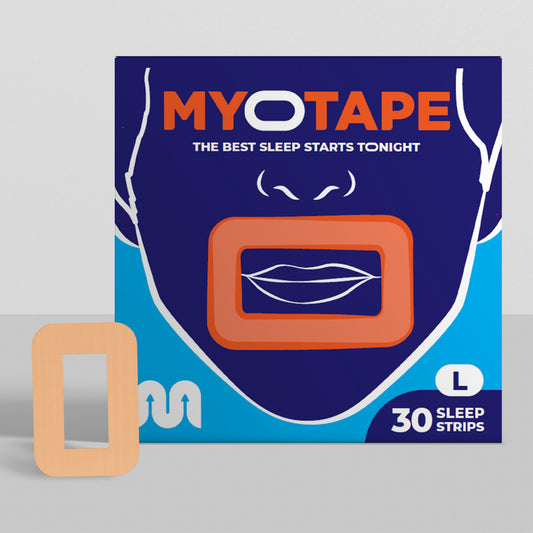
Visit the MyoTape online shop, and choose from a variety of options designed for everyone, including mouth tape for kids, mouth tape for adults, mouth tape for sensitive skin, and mouth tape for beards.
FAQs
Q: How do you remove mouth tape without pain?
A: Peel slowly from one corner, supporting the surrounding skin with your other hand, and peel the tape back over itself rather than straight up. Softening the adhesive first with a warm damp cloth for 15-60 seconds makes removal even more comfortable.
Q: Is there a mouth tape that doesn't leave residue?
A: Yes — look for medical-grade, hypoallergenic tape designed specifically for facial skin, sized appropriately for the mouth, and applied without overstretching. MyoTape is designed around these principles to minimize residue.
Q: What removes mouth tape residue best?
A: Micellar water, warm soapy water, or a small amount of coconut or baby oil all work well. Apply, let it sit briefly to loosen the adhesive, then gently wipe away rather than scrubbing.
Q: Why does mouth tape leave residue in the first place?
A: Residue usually happens from overstretching the tape during application, using tape not designed for skin contact, or leaving it on longer than intended. Reducing initial stickiness by pressing the tape onto the back of your hand a few times before first use also helps.