Snoring rarely starts as a big problem. It is often the result of small habits that build up over time. In fact, it can begin before you even fall asleep.
How you relax before bed and prepare your body for sleep can quietly influence how well you breathe during the night.
That is why what you do before bed matters just as much as what happens while you are asleep. The good news is that with the right ‘anti-snoring routine’ before bedtime, you can start to change these patterns.
This guide will show you what might be causing your snoring and offer simple, practical steps to help you reduce it and sleep better.
Understand Why You Snore at Night
Snoring occurs when air doesn’t move smoothly through your airway while you sleep. If the space narrows, air is pushed through with more force, causing turbulence and the vibrations that sound like snoring.
Snoring usually isn’t caused by just one thing. It often results from a mix of breathing habits, airway restrictions, and other physical factors that affect airflow. Also, men tend to snore more than women.
Knowing these causes of snoring is the first step to reducing it and building your own anti-snoring bedtime routine.
Common causes of snoring include:
- Mouth breathing during sleep
- Blocked or congested nasal passages
- Increased resistance in the airway
- Faster or heavier breathing at night
- Reduced airway stability
- Poor breathing patterns that increase turbulence
- Airway structure and soft tissue that narrow the space
- Sleep position, especially lying on your back
- Lifestyle factors like alcohol, late meals, weight, and smoking
- An unsupportive sleep environment.
Mouth breathing is a major cause of mouth snoring. When your mouth stays open, your airway is less stable.
The tongue and jaw move back, and air flows in a way that increases throat vibrations. Many people notice less snoring when they keep their mouth closed during sleep.
Nasal blockage is another key factor. When the nose is congested or restricted, airflow becomes uneven and pressured. This increases turbulence and also makes mouth breathing more likely.
By working on airway restrictions, breathing habits, and nasal blockages, you can lower your chances of snoring and enjoy quieter, more restful sleep.
How to Create an Anti-Snoring Bedtime Routine
Getting a good night’s sleep usually takes more than one change. Small, steady habits work together to create an anti-snoring routine that supports better breathing and reduces snoring over time. Here are some tips to get started:
1. Clear your nasal passages before bed
Begin by making sure your nose is clear before bed. Taking a warm shower, inhaling steam, or using a gentle rinse can help reduce congestion and open your airways.
Doing a simple nose-unblocking exercise can ease congestion and make breathing easier. Practicing regularly helps your nose work better over time.
Your nose is designed to manage airflow efficiently, but even slight blockage can increase resistance and lead to noisy breathing. Clearing your nasal passages before bed creates the right conditions for smoother, quieter breathing during sleep.
2. Build better breathing habits during the day
The way you breathe during the day often continues at night without you realizing it. Focusing on nose breathing during the day helps your body rely less on mouth breathing over time.
Simple habits such as keeping your lips lightly closed and your tongue resting on the roof of your mouth can support a more stable airway and improve breathing patterns.
3. Encourage nasal breathing while you sleep

Even with good habits, your body might slip back into old patterns once you’re asleep. That’s why having the right support can really help.
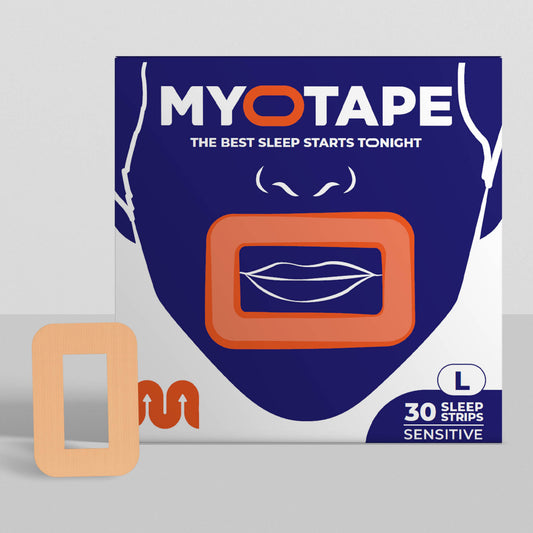
MyoTape gently helps keep your lips closed, so you can breathe naturally through your nose all night. Its special design goes around your lips instead of covering them, making it comfortable and safe while still supporting better breathing.
This keeps your airway more stable, reduces throat vibrations, and tackles one of the main causes of snoring. It’s a simple but effective addition to your routine. Nasal dilators or nasal strips can also help stop snoring naturally.
4. Practice breathing exercises before bed
How you breathe affects whether you snore. Breathing faster or heavier increases turbulence, which can cause more vibrations in your airway.
The Buteyko Method teaches you to slow down and soften your breathing, which can even train you to stop mouth breathing at night.
Practicing gentle, quiet nose breathing for a few minutes before bed helps calm your body and reduces strong airflow while you sleep.

5. Sleep on your side instead of your back
Your sleep position can significantly affect how open and stable your airway remains during the night. Lying on your back can increase airway resistance and make breathing less efficient.
Sleeping on your side helps keep your airway open and lowers the chance of snoring. A supportive pillow can help you stay comfortable in this position.
6. Create a calm, sleep-friendly environment
Your sleep environment affects how well you rest. A dark, quiet, and cool room helps your body relax and makes it easier to fall asleep.
Avoiding bright lights and screens before bed helps your natural sleep rhythm and improves sleep quality.
7. Avoid alcohol in the evening
Alcohol relaxes the muscles around your airway, which can make it narrower while you sleep. This raises your chances of snoring and can disrupt your rest.
Cutting back on alcohol before bed helps you breathe more steadily and is a good part of an anti-snoring routine.
8. Avoid heavy meals close to bedtime
Eating large meals too close to bedtime can affect both your breathing and overall sleep quality. Your body remains active in digesting food, which can interfere with relaxed, steady breathing.
Giving yourself time between your last meal and bedtime helps your body settle down and supports better breathing at night.
9. Stay well hydrated throughout the day
Staying hydrated helps air move smoothly through your airway. When tissues are dry, they vibrate more and can cause snoring.
Drinking enough water throughout the day helps maintain moisture in the airway and supports quieter, more efficient breathing during sleep.
10. Keep a consistent sleep schedule
Sleep consistency is one of the most important parts of any effective bedtime routine to avoid snoring. Going to bed and waking up at the same time each day helps regulate your body and improve overall sleep quality.
When your body is well-rested, breathing tends to be calmer and more controlled, which reinforces all the other steps in your routine and makes them more effective over time.
Complete Your Anti-Snoring Routine with MyoTape
You can do everything right before bed, but if your breathing changes during the night, snoring can still happen. What goes on while you sleep matters just as much as your bedtime routine, and the right support can make a big difference.
MyoTape gently keeps your lips closed, helping you breathe naturally through your nose all night. Its flexible design goes around your lips, not over them, so it’s comfortable, safe, and easy to use while reducing the airway problems that cause snoring.
Even the best routine can fall short without the right breathing support during sleep. Using MyoTape helps you stay consistent all night and get better results.
Visit the MyoTape online shop to find the right option for you, including mouth tape for kids, mouth tape for adults, mouth tape for sensitive skin, and mouth tape for beards.