Children do not always find it easy to breathe through their nose. When your child has a stuffy nose, you want something simple that may help them breathe more comfortably.
Nasal strips for kids offer gentle, drug-free support without placing anything inside the nose. However, parents may worry about whether they are safe, could irritate sensitive skin, or are suitable for their child's age and nose size.
This article explains what makes nasal strips suitable for kids, their potential benefits, and how parents can use them correctly.
What Are Nasal Strips and How Do They Work?

Nasal strips are flexible adhesive bands placed across the outside of the nose. Their spring-like action gently lifts the sides of the nose and widens the nasal valve, the narrowest part of the nasal airway.
By creating more space for air to pass through, nasal strips may reduce nasal resistance and make breathing feel easier.
So, do nasal strips work? They can provide temporary support when airflow through the nose feels restricted. However, they only work while being worn and do not treat the underlying cause of congestion.
Nasal strips:
- Work mechanically rather than medicinally
- Sit outside the nose.
- Contain no decongestant medication.
- Provide temporary support for nasal airflow.
- Do not create medication dependency.
Are Nasal Strips Safe for Kids?
Nasal strips are generally safe for kids when they are designed for the child's age, fit correctly, and are used according to the manufacturer's instructions.
Size and adhesive matter because children have smaller noses and delicate skin. An adult strip may be too large or create unnecessary tension.
Possible nasal strip side effects include:
- Mild redness
- Itching or irritation
- Sensitivity to the adhesive
- Discomfort during wear
- Skin pulling during removal.
Do not apply a strip to irritated, injured, sunburned, or broken skin. Stop using it if your child develops pain, swelling, or a persistent rash.
Are nasal strips bad for kids? Not when an age-appropriate product is used correctly. However, they may not suit every child, particularly those with adhesive sensitivity or an existing skin condition.
What Age Can Children Start Using Nasal Strips?
There is no universal minimum age for all pediatric nasal strips. Parents should always follow the age guidance provided by the manufacturer.
- Toddlers: Do not use toddler nasal strips unless the product is specifically approved for that age.
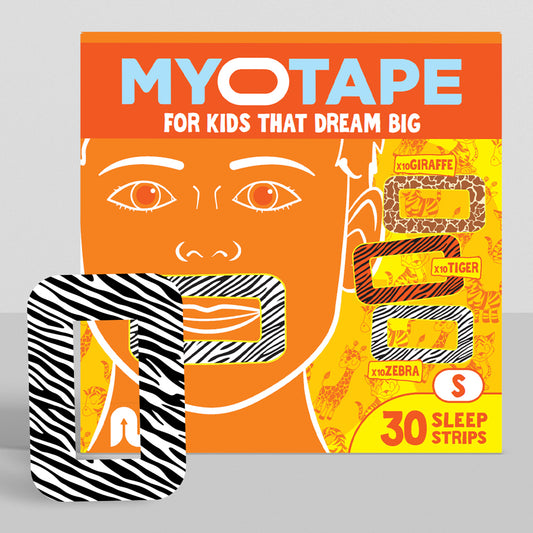
- Children aged 4 and over: MyoTape Nasal Strips for Kids are designed for children aged four and above.
- Older children: Choose small nasal strips for kids and provide help with application and removal.
- Teenagers: Nasal strips for teens can support nasal airflow during sleep, study, or physical activity. Teens may apply them independently once they understand the instructions.
Do not cut or modify an adult strip to fit a child. This may affect its placement, tension, and effectiveness.
Benefits of Nasal Strips for Children and Teens

The nose filters, warms, and humidifies incoming air before it reaches the lungs. Nasal strips may help children breathe through their nose more comfortably when airflow feels restricted.
Potential benefits of nasal strips for kids include:
- Supporting easier nasal airflow
- Making nasal breathing more comfortable
- Providing drug-free, non-invasive support
- Helping during sleep or physical activity
- Offering temporary support during congestion
- Improving sleep and reducing snoring.
Results vary between children, and the benefits only last while the strip is worn. Nasal strips do not treat infections, allergies, enlarged adenoids, or other underlying conditions.
Can Kids Use Nasal Strips for Congestion?
Yes, nasal strips can offer temporary relief when a blocked nose is linked to a cold, allergies, or exercise. They widen the nasal passage but don't reduce inflammation or treat the actual cause of congestion.
If congestion is frequent, severe, or doesn't improve, it's worth checking in with a medical professional rather than relying on strips alone.
Can Nasal Strips Help Children Who Snore?
Snoring often happens when the mouth falls open, and the airway narrows. If a child's snoring is linked to nasal restriction, a nasal strip may ease airflow and support quieter breathing.
Nasal strips aren't a fix for every cause of snoring. If snoring is loud, frequent, or involves pauses in breathing, it's best to seek a proper medical evaluation rather than relying on strips alone.
How to Choose Nasal Strips for Kids
Look for a product that offers:
- A child-specific size
- Clear minimum-age guidance
- Flexible, comfortable material
- Skin-friendly adhesive
- A secure fit without excessive pulling
- Clear application instructions.
MyoTape Nasal Strips for Kids are built around exactly this checklist. They're sized specifically for children aged four and over, made from a soft, flexible material, and finished with a gentle adhesive that holds securely without tugging at delicate skin.
Each strip comes with simple, straightforward application steps, so parents can fit it correctly the first time, and children can get used to wearing it without fuss.
How to Apply Nasal Strips Correctly
- Wash and dry your child's nose.
- Remove the protective backing.
- Center the strip just above the nostrils.
- Press both ends down gently.
- Check that it feels comfortable.
- Moisten the strip with warm water before slowly removing it.
Younger children should have parental help during application and removal.
Frequently Asked Questions
Can children wear nasal strips every night?
Regular use may be suitable if the manufacturer allows it, and the child's skin remains comfortable. Check the skin after each use and take a break if irritation appears. Persistent nightly congestion should be investigated.
Do nasal strips have side effects?
The most common problems are mild redness, adhesive sensitivity, and discomfort during removal. Choosing the correct size and removing the strip gently may reduce these problems.
Can nasal strips damage your nose?
A properly sized and applied strip is unlikely to damage the structure of a healthy nose. An unsuitable size, excessive tension, or rough removal may irritate the skin.
What are the advantages and disadvantages?
Nasal strips provide immediate, drug-free support without placing anything inside the nose. However, their effect is temporary; they may irritate sensitive skin, and they do not treat the cause of congestion or snoring.
Help Your Child Breathe More Comfortably With MyoTape
Nasal strips can offer simple, drug-free support when children and teens find nasal breathing difficult. The key is choosing the correct size, following the age guidance, and applying the strip carefully.
MyoTape Nasal Strips for Kids are clear, flexible, and specifically designed for children aged four and over. They gently support the nose to open the nasal passages during sleep, exercise, or periods of temporary congestion.