Seasonal allergies can make simple things like breathing through your nose feel harder, especially at night.
You may find yourself breathing through your mouth more often or waking up with a dry mouth and restless sleep.
This is often why people consider mouth taping to help them breathe better at night.
But when allergies cause nasal congestion, it is natural to wonder if mouth taping is safe or if it is the right choice during allergy season.
In this article, we will explain it in a clear and simple way so you can understand your options and use it safely if it suits you.
Why Allergies Cause Mouth Breathing
Seasonal allergies, or allergic rhinitis, cause your nasal passages to become inflamed when you react to things like pollen, dust, or mold. This swelling and extra mucus make your airways narrower and reduce airflow through your nose.
As a result, many people find it difficult to breathe comfortably through their nose at night during allergy season. Even if breathing feels manageable during the day, lying down can make congestion worse, making it feel like you cannot get enough air through your nose during sleep.
When it’s hard to breathe through your nose, your body naturally starts breathing through your mouth instead. That’s why mouth breathing at night is so common during allergy season.
Over time, this change can hurt your sleep quality. Nasal congestion is linked to snoring, restless nights, and feeling tired during the day.
Breathing through your nose also has natural benefits, like filtering air, helping your body take in oxygen, and supporting your overall breathing health.

Can You Use Mouth Tape with Seasonal Allergies?
Mouth taping is often used to encourage nasal breathing and help you sleep better. It works by gently keeping your lips closed, so your body relies more on your nose for breathing.
So, can you use mouth tape if you have seasonal allergies? Yes, but only if you can breathe easily through your nose.
If your nose is very stuffy from allergies or feels blocked, your body needs to be able to breathe through your mouth. Forcing your mouth closed in this case can be uncomfortable and might disrupt your sleep.
This is why the type of tape you use matters. Traditional mouth tapes that completely seal your lips can feel too restrictive, especially if your nasal airflow changes.
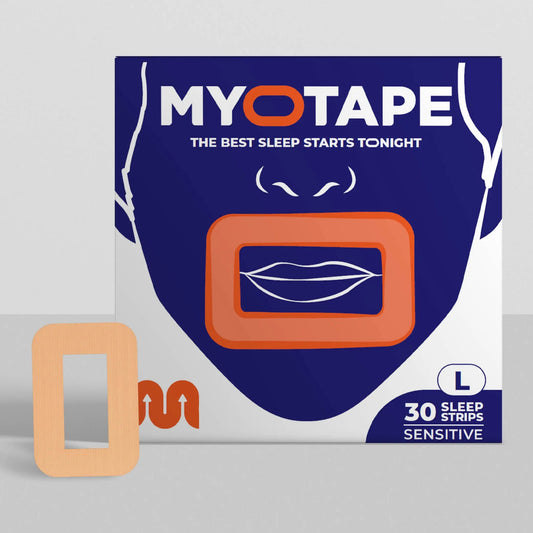
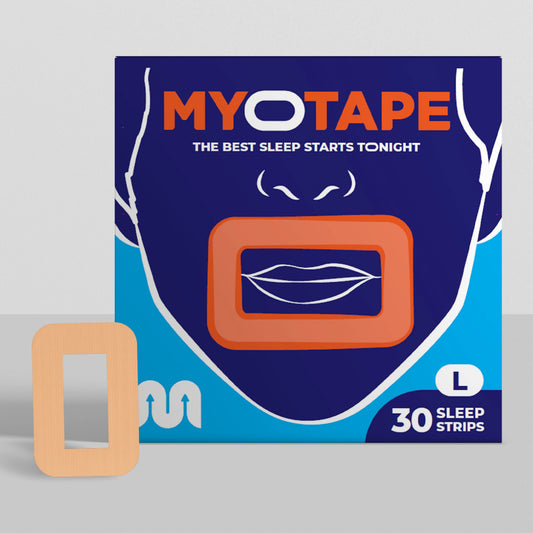
MyoTape offers a more flexible approach. It is designed to sit around the lips rather than cover them, gently supporting mouth closure while still allowing you to open your mouth if needed.
This makes it a more practical option during allergy season, when congestion can vary from night to night.
When NOT to Use Mouth Tape
There are times when mouth taping isn’t a good idea, especially during allergy season. Being able to breathe comfortably should always be your top priority.
Avoid using mouth tape if:
- Your nose is fully blocked, and you cannot breathe through it.
- You are experiencing severe congestion, sinus pressure, or restricted airflow.
- Breathing feels strained, uncomfortable, or inconsistent.
- You are dealing with an acute illness, such as a cold or sinus infection.
- The user is a young child, especially under the age of four.
- You have underlying breathing conditions and are unsure about safety.
Using mouth tape when you’re congested from allergies can make you more uncomfortable and lead to poor sleep or feeling like you’re not getting enough air. If your nasal breathing isn’t clear and steady, it’s best to wait until it gets better before using tape.
How to Use Mouth Tape With Allergies
If your nasal breathing is clear enough, mouth taping can still be used effectively during allergy season. The key is to prepare your nose and support airflow before applying the tape.
1. Clear your nose first
Having clear nasal passages is important for safe mouth taping. Without good airflow, your body will have trouble relying on nasal breathing while you sleep.
Try using a saline or nasal rinse before bed to clear out allergens and reduce mucus. Taking a warm shower or inhaling steam can also help loosen congestion and improve airflow.
If you need to, a nasal decongestant spray can give short-term relief, but use it carefully and don’t depend on it for too long.
You can also use the Buteyko nose unblocking exercise to support natural nasal opening:
- Sit upright and relax your body
- Take a calm breath in and out through your nose
- After exhaling, gently pinch your nose and hold your breath
- Nod your head or sway lightly until you feel a need to breathe
- Release your nose and breathe in slowly through your nose.
- Repeat a few times.
This exercise helps stimulate airflow and can make nasal breathing easier before sleep.
Taking a few minutes to clear your nose properly reduces discomfort and allows mouth taping to work more effectively.
2. Choose the right tape

The type of mouth tape you use becomes especially important during allergy season, when skin sensitivity and nasal congestion can fluctuate.
MyoTape is designed to support nasal breathing in a more comfortable and flexible way. Instead of sealing the lips completely, it gently surrounds the mouth, encouraging closure while still allowing you to open your mouth if needed.
This makes it a good choice for people with allergies. On nights when your nose feels a bit blocked, it doesn’t feel as restrictive as traditional tapes. Instead, it gently guides your mouth closed instead of acting like a barrier.
MyoTape is also made from soft, skin-friendly materials that help prevent irritation, which is helpful if your skin is already sensitive from wiping or allergens.
Choosing a hypoallergenic, flexible tape helps keep mouth taping comfortable and easy to use over time.
3. Support nasal breathing
Mouth taping works best when it is combined with other methods that improve nasal airflow. It should be part of a broader approach rather than used in isolation.
Taking care of your allergy symptoms during the day can really help at night. Antihistamines can reduce inflammation and improve airflow, making it easier to breathe through your nose while you sleep.
You can also use nasal strips to help open your nasal passages. Nasal strips and mouth tape do different but complementary things. Nasal strips make more space in your airways, while mouth tape helps you get used to breathing through your nose.
Using both together can improve airflow and make nasal breathing feel more natural and consistent throughout the night.
4. Manage mucus and post-nasal drip
Extra mucus and post-nasal drip are common during allergy season and can make it harder to breathe comfortably while you sleep.
When mucus builds up in your throat, it can cause irritation, coughing, or a feeling of blockage. If you don’t deal with it first, mouth taping can feel less comfortable.
Simple steps such as staying well hydrated, using a saline rinse, and maintaining a clean sleep environment can help reduce these symptoms.
Regularly washing bedding and minimizing exposure to allergens like dust and pollen can also improve nighttime breathing.
For those dealing with hay fever, managing these symptoms before bed is especially important. A clearer airway allows for more comfortable nasal breathing and improves the effectiveness of mouth taping.
5. Check your breathing before you tape
Before applying mouth tape, take a moment to assess your breathing. This simple habit can help you use mouth taping safely and effectively.
Pay attention to whether your nasal breathing feels smooth and steady. If it feels blocked or uneven, your nose might not be ready yet.
If you’re too congested, mouth taping can make you uncomfortable and disrupt your sleep. It’s better to skip it for the night and work on clearing your nose instead.
Being aware of your breathing helps you use mouth taping more effectively over time. This way, the practice supports your breathing instead of making it harder. Also, talk to your doctor before mouth taping if you have an allergy.
Support Better Breathing During Allergy Season with MyoTape
Seasonal allergies can make breathing feel unpredictable, especially at night. When your nose is clear, supporting nasal breathing can help you feel more comfortable and sleep better.
MyoTape gently helps your lips stay closed without sealing your mouth, so you can still breathe comfortably if you need to. Its flexible, skin-friendly design makes it a practical choice during allergy season, when congestion can change from night to night.
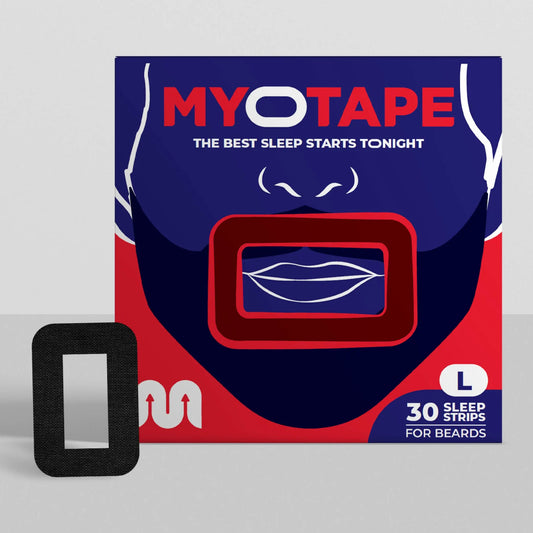
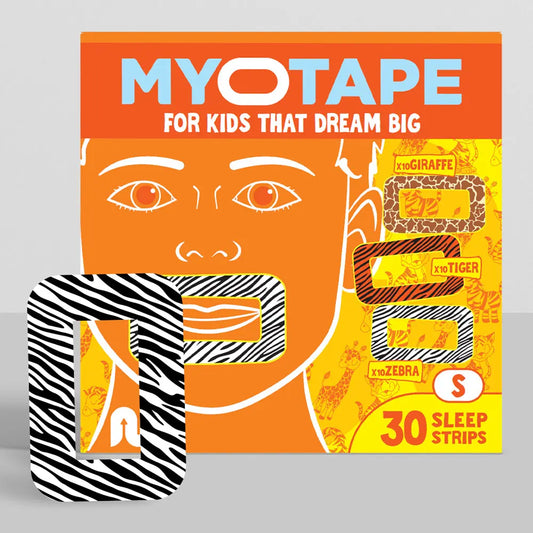
If you want a simple way to support better breathing and sleep, explore the MyoTape online shop to find the right option for you, including mouth tape for kids, mouth tape for adults, mouth tape for sensitive skin, and mouth tape for beards.